Biophilic Design Elements That Increase Home Value and ROI
Selection of interior finishes and architectural features extends beyond mere appearance. Each decision shapes the home's performance, comfort levels, and enduring worth. Biophilic design incorporates natural elements into constructed spaces and has evolved from a passing fad into a proven method. It impacts energy use, indoor air quality, resident health, and overall property valuation in quantifiable ways.
Viewed through a systems perspective, biophilic design goes further than incorporating plants or organic textures. It acts as a cohesive environmental control mechanism that regulates temperature, sound levels, and air composition. Homeowners gain insight into how organic and engineered systems collaborate to enhance return on investment when they grasp these interconnections.
Biophilic Design as an Integrated System
Biophilic design bridges architecture, ecology, and building science. It employs organic materials, optimized daylight, integrated vegetation, and water or air features to mimic the sensory equilibrium of outdoor settings. These components influence key performance indicators like temperature consistency, air renewal rates, and power usage.
Key Elements of Biophilic Systems
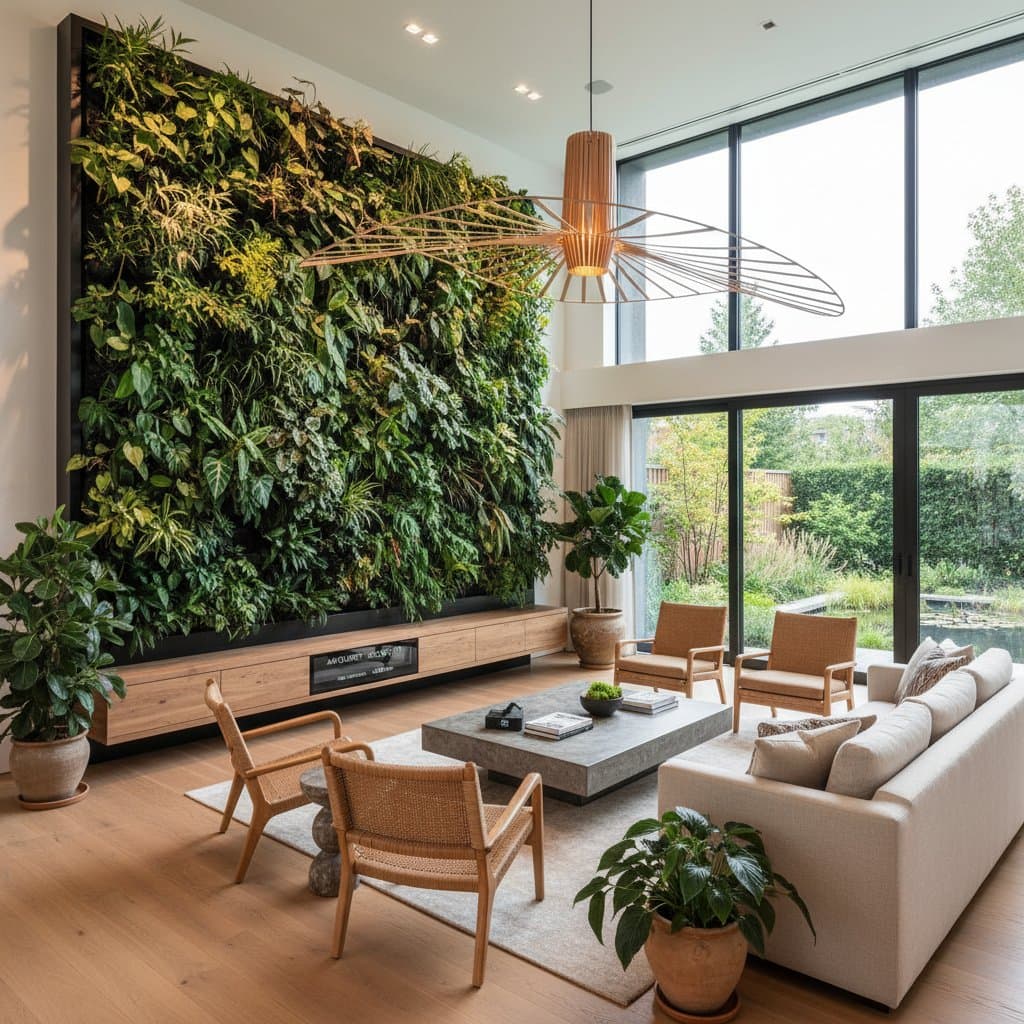
- Living Walls: These vertical greenery installations generate oxygen, filter particulates, and manage humidity. Paired with active airflow, they decrease volatile organic compounds in the air by as much as 60 percent.
- Natural Daylight: Strategic window positioning, reflective surfaces, and light shelves diminish reliance on electric lights. This reduces energy demands while supporting healthy sleep-wake cycles for residents.
- Organic Materials and Surfaces: Options such as stone, bamboo, cork, and recycled wood provide thermal mass and light reflection. They help maintain steady indoor temperatures and mitigate urban heat buildup.
- Water Elements and Audio Features: Flowing water elevates humidity in dry regions and conceals mechanical sounds. Such additions foster auditory comfort.
In a unified design, these features create a reciprocal network. Natural mechanisms support mechanical ones to uphold comfort and air purity.
Overview of Biophilic System Types
| Biophilic System Type | Efficiency Impact | Maintenance Level | Ideal Climate Zones | Cost Range (Installed) | ROI Timeline (Years) |
|---|---|---|---|---|---|
| Living Wall (Active Irrigation) | Improves IAQ, moderates humidity | Moderate | 2–6 | $125–$250 per sq ft | 5–8 |
| Passive Plant Wall | Low impact, lower cost | Low | 3–6 | $70–$120 per sq ft | 7–10 |
| Natural Daylighting Retrofit | Reduces lighting energy use | Minimal | 2–6 | $2,000–$6,000 per room | 4–6 |
| Water Feature with Filtration | Improves humidity, aesthetic value | Moderate | 1–4 | $3,000–$10,000 | 6–9 |
| Natural Material Flooring and Finishes | Improves thermal consistency | Low | All | $8–$20 per sq ft | 5–7 |
Initial expenses for biophilic features may appear elevated. However, savings from lower energy bills and rising property values typically offset costs within ten years.
Analyzing Costs, Benefits, and Long-Term Performance
Return on investment for biophilic systems stems from three clear areas: lower energy consumption, better air quality, and elevated market value.
- Energy Savings: Daylight strategies alone slash lighting expenses by up to 40 percent. Vegetation-driven humidity control cuts heating, ventilation, and air conditioning demands by approximately 10 percent with correct implementation and upkeep.
- Health and Efficiency Benefits: Superior air quality lowers illness frequency and heightens comfort. Properties with pure air and natural elements frequently receive higher valuations during appraisals.
- Market Advantage: Research in real estate indicates that residences with embedded plants and light optimization sell more quickly. They fetch premiums of 5 to 15 percent over similar homes without these features.
Such data confirms biophilic design's role in driving practical and economic outcomes, far from ornamental alone.
Optimizing and Maintaining Performance
Sustained effectiveness in biophilic systems demands regular oversight. Factors like plant vitality, watering precision, and illumination exposure determine durability.
Recommended Maintenance Routine
- Weekly: Examine watering systems, remove debris from water installations, and verify moisture detectors.
- Monthly: Assess lighting schedules and modify them based on seasonal light changes.
- Quarterly: Swap out filters in combined ventilation setups and trim excessive growth in plants.
- Annually: Inspect load-bearing elements, dampness protections, and nutrient supplies for vegetation.
Owners who adhere to these routines safeguard the visual and operational advantages of their biophilic enhancements.
Key Environmental and Health Indicators
| Metric | Conventional Interior | Biophilic Interior | Performance Difference |
|---|---|---|---|
| Average CO₂ Concentration (ppm) | 900–1,200 | 600–800 | 25–35% improvement |
| Relative Humidity Stability | ±20% fluctuation | ±10% fluctuation | 50% improvement |
| Airborne Particulate Matter (PM2.5) | 35 µg/m³ | 15 µg/m³ | 57% reduction |
| Daylight Factor | 1.2–1.5 | 2.5–3.5 | 70% increase |
These measurements highlight biophilic design's contributions to indoor quality. Such enhancements link directly to greater resident contentment and sustained property worth.
Integrating with Future Innovations
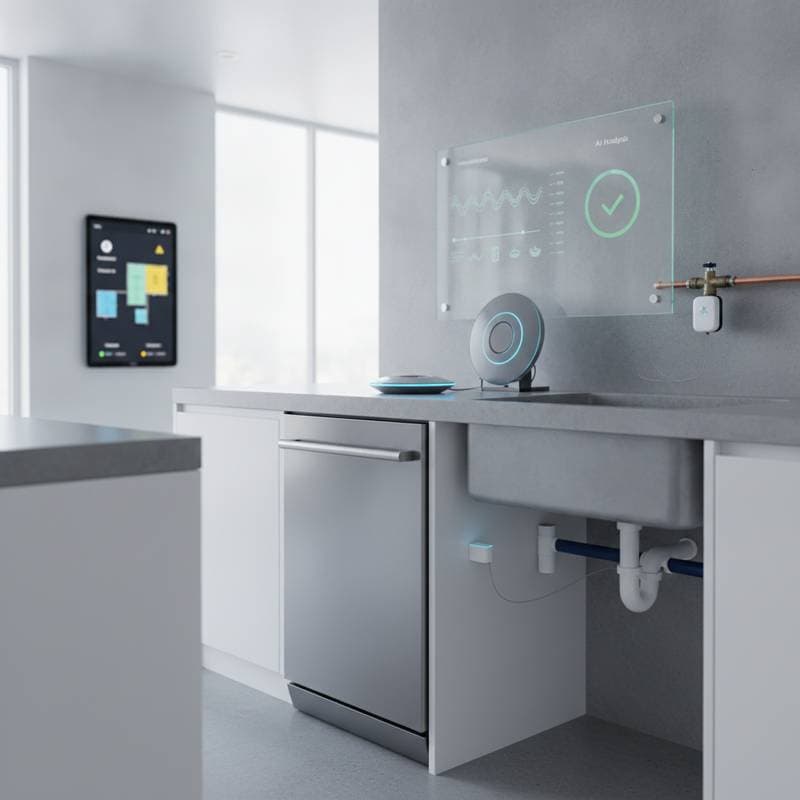
Biophilic principles align with advances in electrified buildings and intelligent home controls. Weather-responsive automated watering, adjustable LED illumination, and built-in air monitors evolve static green features into dynamic regulators.
New substances like biological insulators and algae-embedded panels push living architecture boundaries. As regulations emphasize energy and health standards, these integrations will define premium residences.
Steps to Implement Biophilic Upgrades
Homeowners eyeing biophilic additions should start with a professional assessment. Evaluate existing air purity, light patterns, and moisture balance to pinpoint high-impact changes.
For extensive projects such as greenery walls or water integrations, consult certified experts familiar with system synergies and regulations. Confirm that watering and power infrastructures support ongoing dependability.
In the long run, benefits emerge in diminished bills, elevated appraisals, and enhanced living quality. Thoughtful biophilic execution creates a synergistic home environment where nature and technology collaborate for enduring comfort and savings.