Prefab Additions: Unlock Fast ROI for Your Home
When a family outgrows its space, the choice often comes down to moving or expanding. For many homeowners, prefab additions have become the smarter, faster, and often more affordable answer. Prefabricated construction has quietly evolved from a niche building method into a refined, design-forward solution that can deliver a polished new space in a fraction of the time of traditional construction. The best part is that these modular additions can quickly build equity and improve your home's return on investment without the drawn-out stress of a full remodel.
At a Glance
- Type: Prefabricated or modular home additions
- Best for: Expanding living space, adding income-generating units, or creating functional suites
- Average cost range: Typically 20 to 30 percent lower than custom on-site builds, depending on size and materials
- ROI potential: Often 70 to 90 percent recovery on costs through increased property value and energy savings
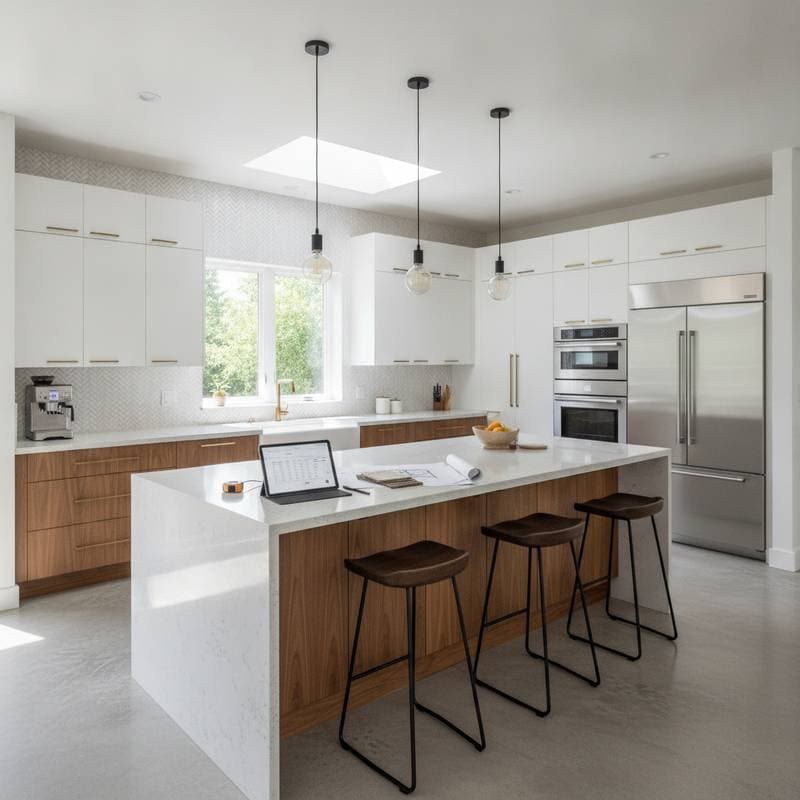
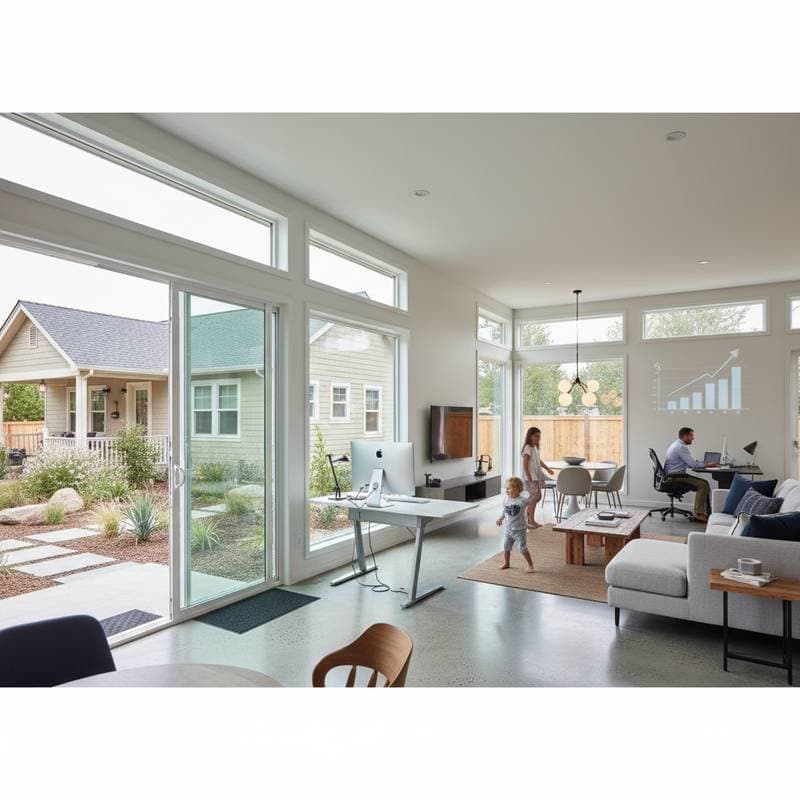
Prefab additions are no longer the boxy, uninspired structures many remember. Modern designs include light-filled living rooms with floor-to-ceiling windows, sleek kitchen extensions featuring quartz countertops, and fully equipped guest suites with built-in storage that blend seamlessly with existing architecture.
The Ease and Speed of Prefab Additions
Imagine adding a new office suite or guest wing that arrives ready to install, complete with insulation, windows, and finishes already in place. Prefab additions are built in controlled factory environments where each panel or module is constructed to exact specifications. Weather never halts progress, and materials are used more efficiently since everything is measured and cut with precision.
Once delivered, the unit is installed on-site in days rather than months. The speed is often what surprises homeowners most. A project that might have taken six months through traditional methods can now be completed in four to eight weeks. The reduced construction window also means lower labor costs and fewer disruptions to daily life.
Prefab additions are available in a wide range of styles, from modern glass-walled extensions to traditional clapboard rooms that blend with older homes. Many companies now work with architects who specialize in modular design, ensuring the final addition looks and feels fully integrated. For instance, select exterior siding and roofing materials to match your home's original facade.
Why Prefab Additions Deliver Strong ROI
Return on investment is not only about resale value. It also reflects the comfort, functionality, and reduced stress a project brings. Prefab additions check all these boxes.
Here is how they build financial and lifestyle value:
-
Speed Equals Savings
The shorter construction time minimizes labor costs by up to 40 percent and allows homeowners to enjoy the new space sooner. That faster completion also means quicker potential rental revenue if the addition is used as an accessory dwelling unit or guest suite, potentially generating income within weeks of installation. -
Controlled Costs
Prefab production reduces surprises. Since the modules are built off-site, material waste is minimal, often under 5 percent, and pricing is clear from the start with fixed quotes. This predictability helps avoid the creeping expenses often seen in traditional builds, where costs can overrun by 20 percent or more. -
Resale Appeal
Buyers increasingly recognize the quality and efficiency of prefab construction. A well-designed addition that blends with the main home can raise appraised value by 10 to 15 percent and attract offers faster when selling, especially in markets favoring adaptable spaces. -
Energy Efficiency
Better insulation and airtight construction lower utility bills by 15 to 25 percent annually. Energy-conscious buyers and renters are drawn to homes that reflect sustainable choices, such as modules with high-R-value walls and solar-ready roofing. -
Flexible Functionality
Prefab additions can serve as home offices with integrated wiring for multiple devices, rental units with separate entrances, or multigenerational spaces with accessible layouts. That adaptability adds economic and lifestyle versatility, both of which increase a property's appeal in diverse housing markets.
Common Questions About Prefab Additions
How do prefab additions attach to existing homes?
Most prefab units are installed on a prepared foundation or pier system, then connected to the main structure through framing and utility hookups. Skilled installers ensure the transition between old and new is seamless, both structurally and visually. This process typically involves reinforcing the connection points to meet local building codes.
Are prefab additions customizable?
Yes. While many manufacturers offer standard layouts starting at 200 square feet, homeowners can often choose materials like cedar siding or vinyl flooring, window placements for optimal views, and finishes such as matte black hardware. Some companies even collaborate with architects for fully custom designs that incorporate unique features like built-in shelving.
What about permits and inspections?
Prefab additions follow the same permitting requirements as traditional builds. The main difference is that much of the inspection process happens at the factory, where quality control is consistent and documented with third-party certifications. On-site inspections focus primarily on the foundation and connections.
Will a prefab addition match my home's style?
Modern prefab design is remarkably adaptable. Whether your home is a mid-century ranch or a craftsman bungalow, exterior materials and detailing can be tailored to fit the architecture. Options include replicating trim work or using complementary colors to maintain curb appeal.
Integrating the Addition into Daily Life
Once a prefab addition is in place, the real joy begins. The new space quickly becomes part of the home's rhythm. Morning light pours across the new breakfast nook, or a quiet office corner turns into the most productive spot in the house. The connection between quality design and daily comfort becomes clear.
Maintenance is typically straightforward. Prefab materials are chosen for durability and easy upkeep. Weather-resistant exteriors, factory-sealed joints, and efficient systems minimize long-term repairs, often requiring only annual inspections.
For those using the addition as a rental unit, professional cleaning and routine checks keep the space fresh and income steady. If it is a family space, personal touches like artwork, layered textiles, and soft lighting make it feel fully integrated. Over time, these elements enhance the overall living experience and property value.
Steps to Add Value Through Prefab Expansion
Prefab additions require planning, but much less disruption than you might expect. Here is how to move forward confidently:
-
Assess Your Space: Identify where expansion makes the most sense. Consider access, light, and privacy by mapping out current traffic flow and sunlight patterns.
-
Set Your Budget: Include foundation work, permits, and utility connections. Prefab pricing is predictable, often ranging from $150 to $300 per square foot, but site prep can vary based on soil conditions.
-
Choose a Builder or Manufacturer: Look for companies with strong design support and transparent communication. Review portfolios for similar projects and check references for on-time delivery.
-
Plan for Integration: Decide how the addition connects to the existing home, both structurally and aesthetically. Consult with a structural engineer to ensure load-bearing compatibility.
-
Think Long-Term: Design for flexibility. A home office today could become a guest suite later, so include versatile features like movable partitions or multi-use electrical outlets.
By following these steps, homeowners can transform their living spaces efficiently. The result is not just added square footage, but enhanced comfort, financial security, and adaptability for future needs.