Bathroom Upgrades That Deliver Strong Returns in 2026
Home renovation costs continue to rise nationwide, and bathroom projects face similar pressures from tariffs on imported fixtures and persistent supply chain disruptions. These factors cause prices to vary significantly. However, targeted upgrades can yield substantial benefits in terms of increased home value and enhanced daily usability. Professional insights reveal that certain modifications stand out for their balance of cost and long-term payoff.
The Value of Updating Bathrooms
Bathrooms serve as essential areas that affect a home's overall functionality and attractiveness to potential buyers. Prospective purchasers prioritize aspects such as hygiene, ease of use, and contemporary aesthetics. An refreshed bathroom not only elevates living standards but also minimizes ongoing upkeep requirements. Features like energy-saving appliances, superior airflow systems, and water-resistant surfaces contribute to greater operational efficiency.
Consider the advantages of proactive plumbing replacements. Addressing outdated pipes during a renovation prevents costly future repairs and supports the home's structural integrity over time. Such measures provide enduring benefits that extend beyond surface-level appeal.
Understanding Cost Breakdowns
Global supply challenges have driven up prices for materials and labor, yet strategic planning allows homeowners to optimize their investments. The following table outlines typical expenses and expected returns for key components, based on recent industry data.
| Upgrade Area | Average Cost | ROI Estimate | Notes |
|---|---|---|---|
| Vanity and Countertops | $2,000 - $5,000 | 60% | Quartz and solid surface options maintain appeal and resist wear |
| Tile and Flooring | $1,500 - $4,000 | 70% | Large-format porcelain provides longevity and simplifies maintenance |
| Fixtures and Hardware | $800 - $2,200 | 55% | Finishes like matte black or brushed nickel align with current trends |
| Shower or Tub | $3,000 - $7,500 | 65% | Walk-in showers cater to accessibility needs and modern preferences |
| Lighting and Ventilation | $600 - $1,200 | 50% | LED systems lower energy consumption while exhaust fans combat mold |
These figures account for current market conditions, including contractor workloads and delivery timelines. Homeowners should inquire about production schedules for specialized items. Delays in sourcing a custom vanity, for instance, might extend the project by several weeks and increase holding costs.
Key Considerations for Effective Choices
Homeowners benefit from evaluating which tasks suit self-managed efforts versus professional expertise. Simple actions, such as removing old tiles or applying fresh paint, offer opportunities to reduce expenses by several thousand dollars. Complex elements like wiring installations or pipe modifications demand certified specialists to ensure compliance with safety standards and preserve warranty protections.
Obtain estimates from at least three reputable local contractors prior to finalizing plans. Evaluate proposals based on total cost, projected completion dates, guarantees offered, and client testimonials. Seasoned professionals navigate supply constraints adeptly and recommend viable substitutes that align with financial parameters.
Selecting High-Impact Upgrades
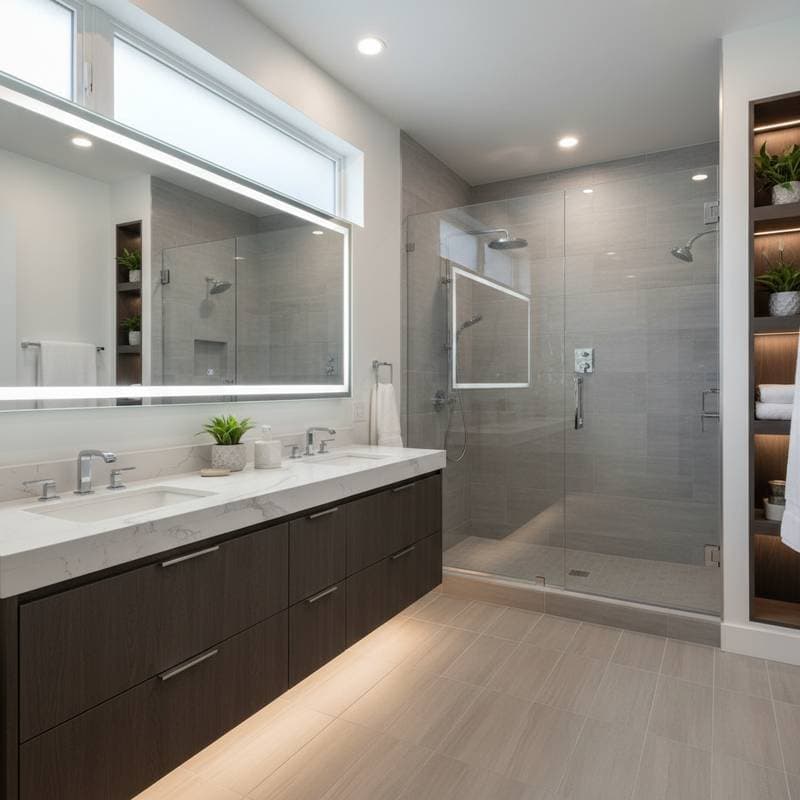
Focus on vanities with quartz countertops for their durability and low-maintenance qualities. These surfaces withstand daily use without etching or staining, appealing to buyers seeking practical elegance. Pair them with soft-close cabinetry to enhance usability.
For flooring, opt for large-format porcelain tiles that minimize grout lines and facilitate cleaning. Such choices resist moisture and wear, contributing to a 70 percent return on investment through perceived quality. Avoid trendy patterns; select neutral shades for broader market compatibility.
Fixtures in enduring finishes like brushed nickel provide a versatile look that complements various decor styles. Hardware upgrades, though seemingly minor, signal attention to detail and can elevate the space's perceived sophistication.
Walk-in showers represent a premium investment with strong resale potential. Incorporate features like built-in benches or rainfall heads to improve accessibility and luxury. These elements attract aging-in-place buyers and justify the higher upfront expenditure.
Efficient lighting and ventilation systems address both aesthetics and health concerns. Install dimmable LED fixtures for adjustable ambiance and energy savings. Pair them with quiet, high-CFM exhaust fans to prevent humidity buildup and extend fixture lifespans.
Optimal Scheduling Strategies
Material costs often level out during late summer periods when seasonal demand decreases. Delaying a project until this window can yield savings on purchases. Additionally, stores frequently reduce prices on outgoing inventory to make room for upcoming lines.
For homeowners preparing to list their property, emphasize versatile designs with subdued colors and classic elements. These selections broaden appeal without alienating diverse tastes. Conduct a thorough inspection to identify urgent issues like water damage or ventilation deficiencies.
Prioritize foundational repairs if mold growth, fractured sealant, or seepage appears. Unresolved moisture problems escalate expenses rapidly, potentially multiplying repair budgets threefold. Sequence the work logically: enhance airflow, reinforce barriers against water, and then apply finishes.
Executing a Successful Renovation
A thoughtfully executed bathroom update can recoup up to 70 percent of invested funds through heightened property worth, alongside tangible improvements in convenience. Establish a detailed financial plan that includes a 10 percent buffer for unforeseen adjustments. Collaborate with informed contractors who verify supply availability before initiating any disassembly.
Beyond visual enhancements, these modifications promote dependable performance, secure environments, and streamlined operations that benefit occupants for decades. To proceed, identify qualified experts nearby who prioritize precision and sustainable outcomes. Such partnerships ensure transformations that align with both immediate needs and future aspirations.