Key Takeaways
- Advanced water damage sensors employ predictive artificial intelligence to identify leaks prior to their onset.
- Early detection enables homeowners to minimize repair expenses and insurance claims effectively.
- Contemporary designs integrate unobtrusively into residences, offering app control and voice assistant compatibility.
Innovations in Smart Water Damage Sensors
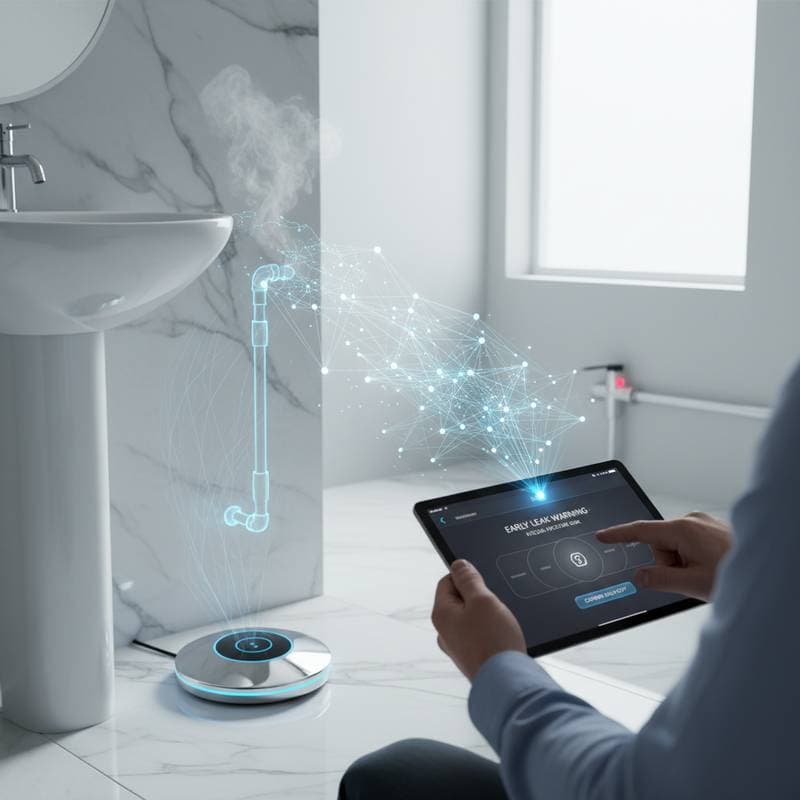
These devices extend beyond mere detection of standing water. The newest iterations incorporate adaptive machine learning to analyze moisture fluctuations and temperature variations that precede leaks. Sensors gather incremental data, including humidity increases adjacent to plumbing or faint vibrations in subflooring, to forecast potential issues before any liquid appears.
Core Advantages
- Predictive notifications identify hazards prior to observable harm.
- Seamless wireless connectivity with broader smart home ecosystems.
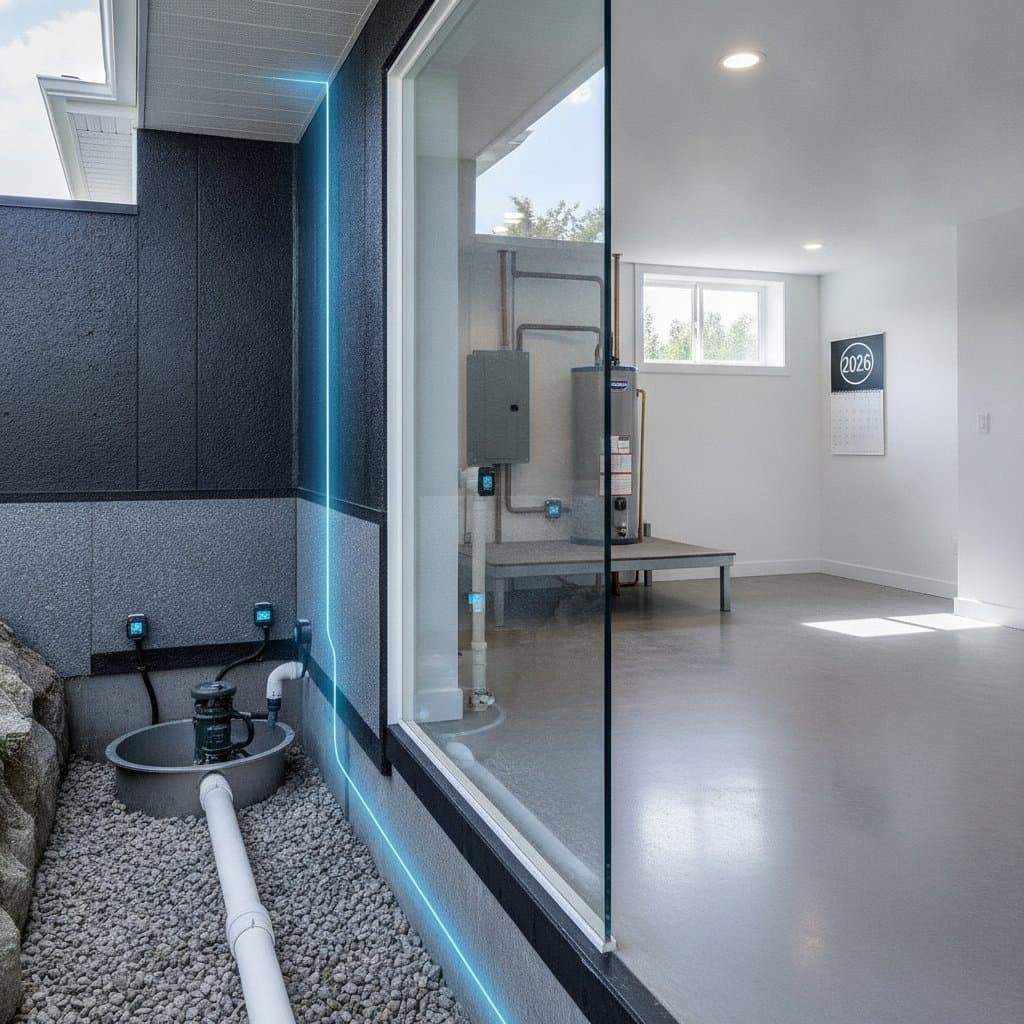
- Streamlined form factor suitable for placement beneath sinks or adjacent to appliances.
- Automatic calibration accommodates variations in seasonal humidity levels.
Earlier leak detectors activated solely upon direct water contact. Current AI-enhanced versions examine historical trends, benchmark against accumulated data, and dispatch warnings to mobile devices or central hubs well in advance of any seepage.
Operational Mechanics of Smart Sensors
Smart water damage sensors operate through three primary components: accurate environmental monitoring, intelligent data analysis, and reliable signaling.
- Accurate Environmental Monitoring: Devices measure humidity, temperature, and vibrational activity. Even a slight humidity elevation near piping can initiate a precautionary alert.
- Intelligent Data Analysis: Machine learning processes environmental inputs from the residence. Gradually, the system distinguishes routine conditions from those signaling impending leaks.
- Reliable Signaling: Upon identifying anomalies, the sensor transmits updates via a dedicated mobile application or voice-activated assistant.
Recent advancements allow synchronization with automated shut-off valves, halting water supply instantly upon leak verification. Such connectivity elevates basic detection to comprehensive residential safeguarding.
| Feature | Traditional Sensors | AI Smart Sensors |
|---|---|---|
| Detection Method | Direct contact required | Predictive analysis and prevention |
| Response Mechanism | Audible alarm exclusively | Notifications and automatic shut-off |
| System Integration | Minimal options | Comprehensive smart home linkage |
| Upkeep Requirements | Manual verification needed | Automated diagnostic checks |
Evaluating the Value of Smart Sensors
For numerous households, these systems recoup their cost rapidly. Typical water damage remediation expenses range from thousands of dollars, whereas premium sensor installations represent a modest fraction of that sum. In addition to financial benefits, the technology preserves valuable elements like solid wood flooring, custom cabinetry, or antique textiles.
Insurance providers increasingly extend premium reductions for households equipped with intelligent leak prevention. This blend of economic advantages, operational simplicity, and enhanced security renders the solution suitable for newly constructed properties and established dwellings alike.
Potential limitations exist. Certain units demand consistent wireless network access, and forecasting algorithms may generate occasional erroneous notifications amid pronounced seasonal moisture shifts.
Selecting an Optimal Sensor Model
Begin by identifying high-risk zones, including areas beneath kitchen sinks, proximate to water heaters, and adjacent to laundry appliances. Determine if a single independent device suffices or if a interconnected network aligns better with your smart home infrastructure.
Essential Factors to Assess:
- Duration of battery operation and alternative power options.
- Compatibility of the control application with current devices.
- Simplicity of setup and initial adjustment procedures.
A combined approach proves effective for many households: deploy several cordless units in critical locations, unified under a single management interface. This arrangement optimizes protection without complicating daily routines.
Frequently Asked Questions from Homeowners
Do smart water sensors necessitate professional setup?
The majority support self-installation. Units include adhesive mounts or mounting hardware, paired with straightforward application pairing.
Can these sensors identify gradual leaks within walls?
Devices detect humidity and temperature deviations indicative of concealed issues, although expert evaluation remains advisable for validation.
Do the sensors operate during electrical failures?
Battery-dependent variants sustain functionality and retain logs until electricity resumes.
What maintenance do they require?
Routine battery inspections and surface cleaning suffice, as artificial intelligence handles ongoing adjustments.
Enhancing Home Resilience Through Predictive Monitoring
Intelligent water damage sensors evolve from passive alerts to proactive defenders. By adapting to your residence's unique patterns, they foresee disruptions and intervene to avert substantial losses. For those prioritizing aesthetics, the unobtrusive builds and digital interfaces harmonize with contemporary living. Adopting this technology equips homeowners with assured tranquility, ensuring spaces remain protected, secure, and vigilantly observed.