Basement Waterproofing Costs in 2026: A Comprehensive Guide
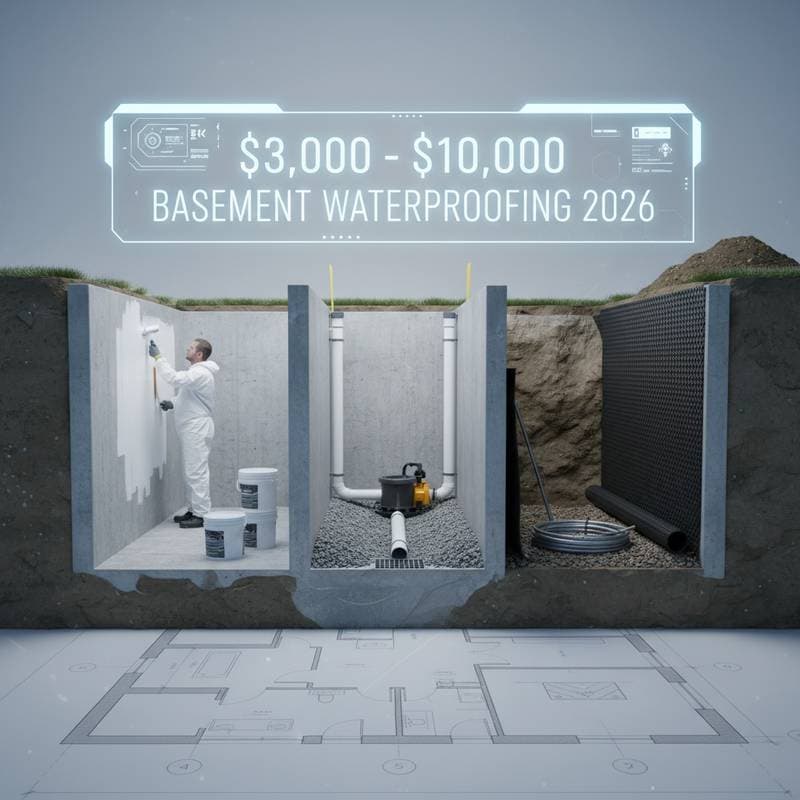
Basement waterproofing remains essential for homeowners facing moisture issues. In 2026, costs range from $3,000 to $10,000, influenced by the chosen method, foundation type, and extent of damage. This guide explores options, factors affecting pricing, and strategies to protect your property effectively.
Investing in waterproofing prevents mold growth, structural damage, and value loss. Professional assessment identifies the best approach, whether interior sealants or comprehensive exterior systems. Understanding these elements helps homeowners budget accurately and select durable solutions.
Factors Influencing Costs
Several variables determine the total expense of basement waterproofing projects. Foundation material, such as poured concrete or block walls, affects labor and materials. The severity of water intrusion, from occasional seepage to persistent flooding, dictates the scope of work.
Location plays a role, with urban areas incurring higher labor rates than rural ones. Soil type and local climate also impact pricing; clay soils or heavy rainfall regions often require more robust systems. Home age and existing infrastructure, like outdated drainage, add to the complexity and cost.
Interior Waterproofing Options
Interior methods address water that has already entered the basement. These solutions suit minor issues and involve less disruption than exterior work.
- Interior drainage systems: $2,000 to $6,000
Involves cutting the concrete slab edge, installing a perforated pipe, and connecting it to a sump pump. This setup channels water to a collection point for removal. - Sump pump installation: $1,000 to $3,000
Pumps collected water out of the basement. Battery backup systems add $500 to $1,000 for reliability during power outages.
Interior solutions excel for light water intrusion and minor leaks. They reduce humidity levels and safeguard finished spaces. However, these approaches may not resolve underlying exterior drainage problems.
Exterior Waterproofing
Exterior waterproofing targets the source of water entry around the foundation. This method proves more invasive and costly but delivers superior results for ongoing issues.
- Excavation and exterior drainage: $8,000 to $15,000
Involves digging around the foundation, applying waterproof membranes, and installing perimeter drains. These steps create a barrier and redirect groundwater. - Foundation crack repair: $500 to $2,500 per crack
Epoxy injections or hydraulic cement repairs seal small leaks at their origin. Professionals assess crack width and depth to choose the appropriate technique. - Soil grading and landscape drainage: $1,500 to $5,000
Redirects surface water away from the foundation through regrading or French drains. Proper sloping ensures water flows to safe outlets like storm sewers.
Exterior waterproofing provides enduring protection, making it suitable for homes with steady water infiltration or inadequate lot drainage. The upfront investment yields long-term benefits by preventing repeated repairs.
Combination Systems
Basements affected by both groundwater pressure and surface runoff benefit from integrated approaches. Combination systems combine interior and exterior elements for comprehensive coverage.
- Hybrid systems: $10,000 to $20,000
Includes interior drainage, sump pump installation, and exterior membrane application. This dual strategy manages water from multiple sources effectively. - Waterproofing with foundation reinforcement: $15,000 to $25,000
Adds structural support through carbon fiber straps or wall anchors. These reinforcements stabilize walls while addressing moisture concerns.
Combination systems carry higher costs yet offer substantial reassurance and return on investment over time. They suit properties in flood-prone areas or with complex hydrology.
Strategies to Manage Costs Effectively
Waterproofing represents a significant expense, yet thoughtful preparation minimizes outlays without compromising quality.
- Obtain multiple quotes from licensed contractors. Request detailed breakdowns to compare services and pricing fairly.
- Inquire about transferable warranties. Strong guarantees enhance property appeal and provide ongoing security.
- Bundle related repairs. Pair waterproofing with foundation or drainage enhancements to optimize labor expenses.
- Maintain existing features like gutters and grading. Extend downspouts or adjust soil slopes to avert future problems.
- Explore rebates or financing options. Local governments and insurers sometimes support flood mitigation initiatives.
These steps ensure efficient spending while upholding project standards.
System Longevity and Upkeep Practices
Well-installed waterproofing endures for decades with routine attention. Interior coatings might require renewal every few years, whereas exterior membranes often persist 20 years or more, assuming foundation stability.
Sump pumps demand annual inspections to verify functionality. Preserve system performance through these habits:
- Clean gutters biannually to prevent clogs.
- Test sump pump operation prior to heavy rains.
- Monitor basement walls for emerging cracks or moisture.
- Address damaged drain tiles without delay.
Consistent maintenance sustains a dry environment and protects your investment.
Enhancing Home Value Through Waterproofing
A waterproofed basement fosters better air quality and safe usable space. Owners typically recoup 50 to 70 percent of expenses via elevated resale prices. Prospective buyers appreciate evidence of diligent upkeep and lowered risk.
For basement finishing projects, prioritize waterproofing first. This precaution shields materials like flooring and drywall from harm and meets regulatory requirements.
Frequently Asked Questions
How can I determine if waterproofing is necessary?
Signs include musty odors, white efflorescence on walls, or pooled water post-rainfall. Additional indicators encompass peeling paint, corroded appliances, and mold development.
Is interior waterproofing sufficient?
Interior methods handle minor leaks well, yet exterior interventions become essential for foundation-encircling water pressure.
What is the typical project duration?
Standard installations conclude in one week. Extensive excavation or repairs may extend timelines.
Does waterproofing halt crack progression?
It curbs moisture-related worsening but does not fortify structural weaknesses. Additional reinforcement or underpinning may prove required.
Are permits mandatory?
Exterior digging or sump pump setups often necessitate approvals. Consult local codes prior to commencement.
Next Steps for Your Project
Securing your basement safeguards a key asset and averts escalating expenses. Begin with a specialist inspection to pinpoint entry points and match solutions to your foundation.
Collect estimates, evaluate warranties, and integrate immediate and preventive measures. Proactive steps yield a resilient, healthful space that withstands seasonal challenges. Your home gains strength, safety, and future readiness through this commitment.