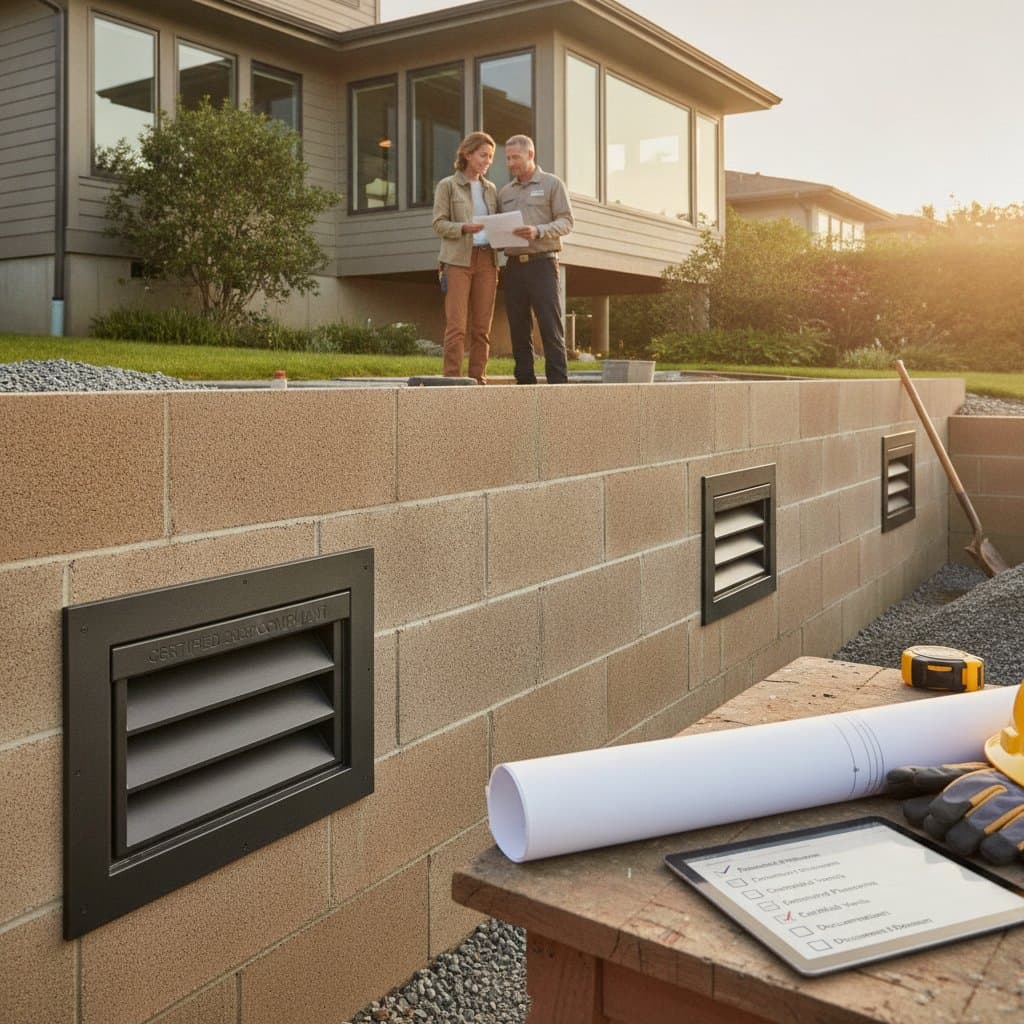
Essential Spring Roof Checks Before Storms Hit
Home renovation projects across the United States face rising costs due to tariff changes and supply shortages. A small leak today can lead to major expenses by summer. Spring inspections serve as the primary defense against emergency repairs when contractors are unavailable and prices increase.
Project Snapshot
Average Cost: $350 - $750 for inspection and minor repairs
Timeline: 1 - 2 days
Lifespan: 15 - 30 years depending on material
Best Season: Spring
DIY Friendly: Partial
Why Spring Roof Checks Matter
Spring brings unpredictable storms that test every weak point in a roofing system. Curling shingles, loose flashing, or clogged gutters allow water intrusion. Once moisture reaches insulation and drywall, damage accelerates rapidly. Neglect can reduce roof lifespan by half.
The Essential Spring Roof Inspection Checklist
This targeted checklist prioritizes critical tasks before storm season begins.
1. Inspect Shingles and Tiles
Time: 1 hour
DIY Difficulty: 3 out of 5
Materials: Ladder, binoculars, chalk, sealant
Professional Cost: $150 - $300 for detailed inspection
Examine the surface for cracks, lifting edges, and missing pieces. Asphalt shingles with visible granule loss require replacement. Clay or concrete tiles that sound hollow when tapped indicate cracks. Address damaged sections immediately.
2. Check Flashing and Sealants
Time: 45 minutes
DIY Difficulty: 4 out of 5
Materials: Roofing cement, caulk gun, gloves
Professional Cost: $200 - $400 for resealing
Verify that flashing around chimneys, vents, and skylights remains tight and free of rust. Gaps in these areas represent a leading source of hidden leaks. Reseal or replace any lifting edges or cracked sealant. Professional assistance is recommended when uncertainty exists.
3. Clean and Inspect Gutters
Time: 1.5 hours
DIY Difficulty: 2 out of 5
Materials: Ladder, gloves, garden hose, gutter scoop
Professional Cost: $100 - $250
Remove debris that forces water beneath shingles and against fascia boards. Flush gutters completely and inspect for sagging. Water marks beneath gutters signal existing overflow damage.
4. Examine Attic and Ceilings
Time: 30 minutes
DIY Difficulty: 1 out of 5
Materials: Flashlight, moisture meter
Professional Cost: Included in inspection
Search for damp insulation, dark stains, and mold odors. These indicators confirm interior water presence. Early detection prevents thousands in structural repairs.
5. Assess Roof Drainage and Ventilation
Time: 1 hour
DIY Difficulty: 3 out of 5
Materials: Vent covers, screwdriver, air filter
Professional Cost: $150 - $300
Confirm that vents remain open and unobstructed. Inadequate airflow creates excess heat and humidity that shortens roof life.
6. Trim Nearby Trees
Time: 2 hours
DIY Difficulty: 2 out of 5
Materials: Pruning shears, chainsaw, safety gear
Professional Cost: $200 - $600
Remove branches within six feet of the roofline. Contact strips protective granules from shingles and increases storm debris risk.
When to Call a Professional
Homeowners may handle minor fixes, yet steep roofs, multi-story structures, and widespread damage require licensed roofers. Falls remain a leading cause of home repair injuries. Professionals employ infrared imaging to locate hidden moisture.
Obtain three free quotes from local contractors before major repairs. Bid comparison clarifies fair pricing and roof condition.
Timing Your Roof Maintenance
Supply backlogs affect shingles, flashing, and underlayment. Schedule inspections once daytime temperatures remain above freezing. Early action allows completion before heavy rain or hail arrives.
Waiting for visible leaks removes control over cost and scheduling. Emergency work typically adds 25 percent or more to total expenses.
Long-Term Value and ROI
Regular inspections extend roof life by up to 40 percent. Documented maintenance histories increase home resale value.
Protect Your Home Year-Round
Walk the property after each major storm to identify new debris or damage. Maintain a log that includes photographs, receipts, and inspection notes. Consistent attention prevents leaks, mold growth, and premature replacement.