Ember Resistant Vents Strengthen Spring Wildfire Protection
Choosing vent materials or designs poorly in wildfire prone areas can allow a small ember storm to grow into a full house fire. Homeowners preparing for spring find that upgrading to ember resistant vents ranks among the most effective defenses against wildfire intrusion. These components function as engineered fire protection systems. They combine airflow management, heat resistance, and ember filtration in one element.
Research on wildfire behavior indicates that most homes catch fire when embers enter through attic or crawlspace vents well before flames reach the structure. Learning how ember resistant vents operate and how they align with a home ventilation needs and local fire risk supports better upgrade decisions.
How Ember Resistant Vents Operate
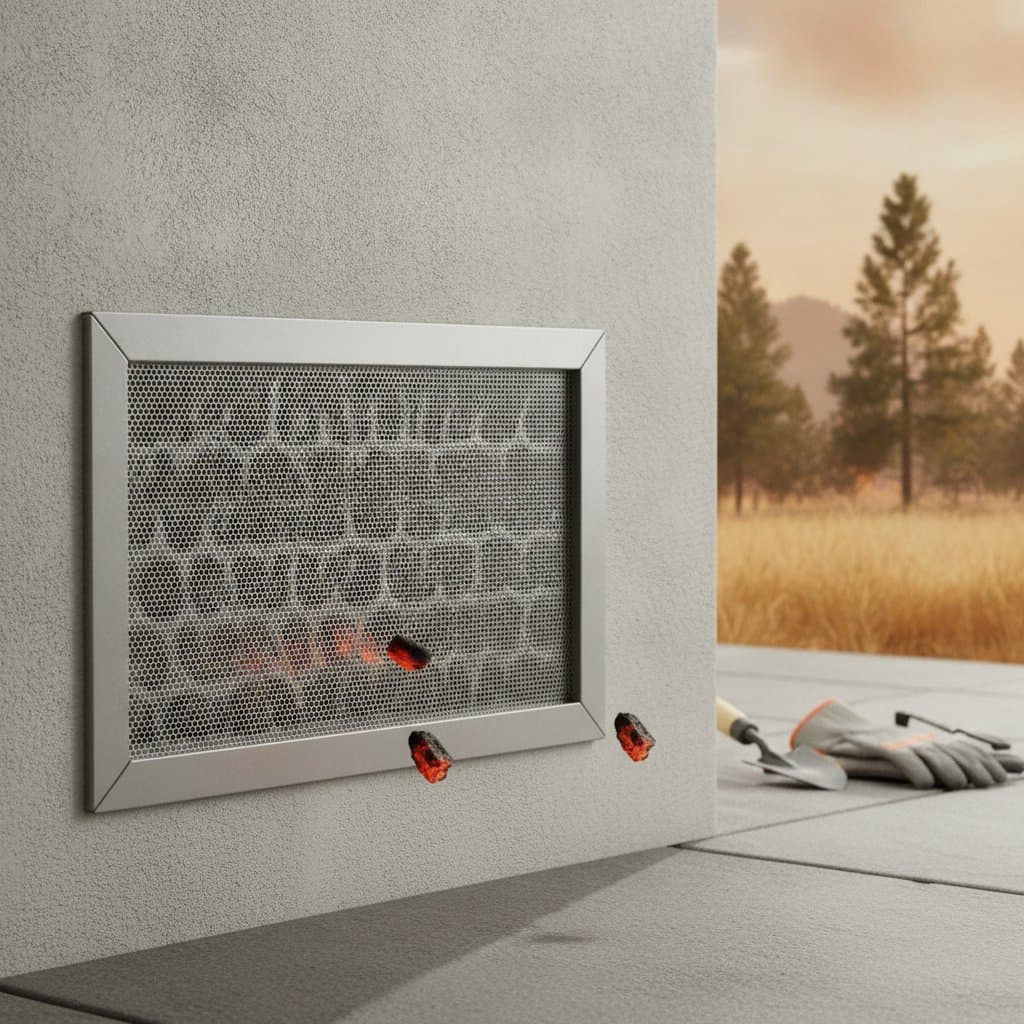
An ember resistant vent maintains normal airflow while blocking embers, radiant heat, and flames from reaching the attic or subfloor. The design uses several layers of protection.
- Fine mesh screens made of stainless steel with openings no larger than one eighth inch stop embers yet permit steady air movement.
- Intumescent coatings react to heat by expanding and sealing openings to limit flame entry.
- Internal baffle systems deflect embers and limit direct air exchange during fire exposure.
Quality designs keep airflow performance high while meeting both ventilation standards and fire resistance codes.
Vent Type Comparison
- Mesh only vents suit low risk zones. They use stainless steel and deliver high airflow with moderate ember protection.
- Intumescent vents work well in high risk areas. They combine aluminum or steel with heat reactive coatings for strong flame blocking.
- Baffled vents perform in wind driven fire zones. They use galvanized or stainless steel and achieve very high ember resistance.
- Hybrid vents provide the broadest coverage. Multiple mesh layers plus intumescent materials deliver balanced airflow and top tier protection for retrofit projects.
Cost and Value Considerations
- Standard vents cost ten to twenty dollars each in materials. Ember resistant models range from forty to sixty dollars.
- Professional installation for standard vents runs one hundred to two hundred dollars. Ember resistant installation costs one hundred fifty to two hundred fifty dollars.
- Both types require little ongoing maintenance. Ember resistant vents can support lower insurance premiums and longer roof and attic life.
Higher initial expense is offset by reduced fire exposure and greater overall resilience.
Inspection and Care Steps
Inspect vents each season for debris, corrosion, or insect activity. Clean screens at the start of the dry season in high risk regions. Never apply coatings or paints that might block mesh openings or prevent intumescent activation.
Next Actions for Homeowners
- Locate every attic, soffit, and foundation vent on the property.
- Confirm local wildland urban interface code requirements for vent performance.
- Select products tested to recognized fire exposure standards.
- Arrange installation by a professional who verifies balanced airflow and complete sealing.
- Schedule annual cleaning and coating checks.
Upgrading vents in this manner delivers reliable protection that integrates with the rest of the building envelope and supports long term safety in fire prone areas.