Zero-Threshold Showers: Essential for Aging in Place in 2026
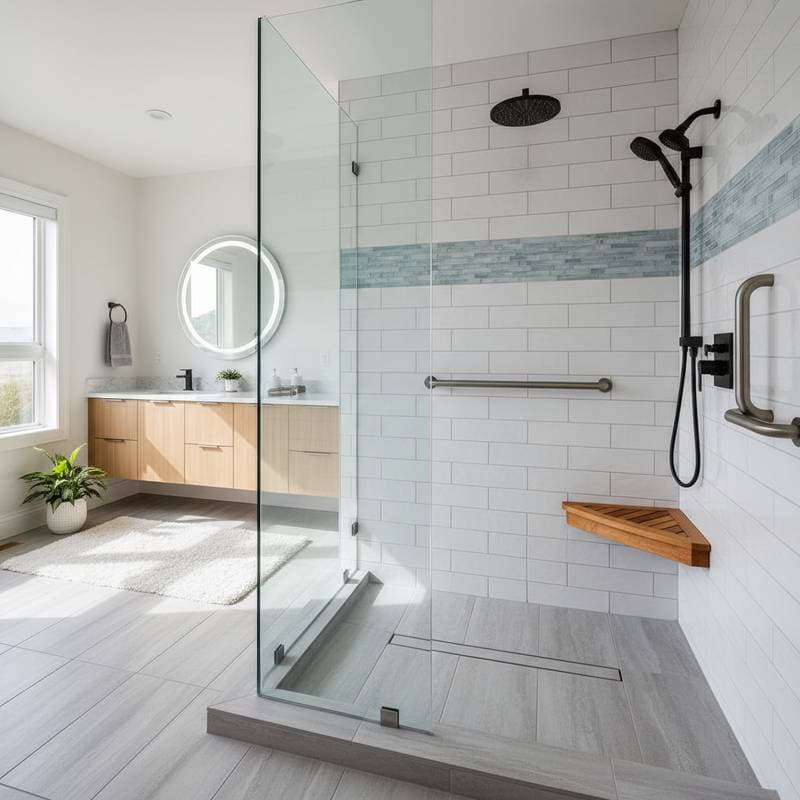
Home renovation trends in the United States emphasize strategic planning for enduring comfort. Accessibility modifications extend beyond future needs; they enhance everyday functionality. Zero-threshold showers emerge as a premier choice for homeowners committed to aging in place, offering seamless integration of safety and aesthetics.
Project Overview
Average Cost: $8,000 to $18,000
Timeline: 2 to 4 weeks
Lifespan: 25 years or more
Best Season: Spring or fall
DIY Friendly: Partial, with professional oversight recommended
This overview provides a foundation for budgeting and scheduling. Homeowners benefit from these details when coordinating with contractors. Consider local regulations that may influence installation requirements.
Detailed Cost Analysis and Market Insights
Costs fluctuate based on shower dimensions, selected materials, and existing plumbing configurations. The following table outlines key components for a standard 36-inch by 60-inch installation.
| Component | Budget Range | Notes |
|---|---|---|
| Demolition and Preparation | $800 to $1,500 | Encompasses removal of tubs or enclosures, plus debris disposal |
| Waterproofing and Slope Installation | $1,000 to $2,000 | Precision engineering ensures effective drainage and leak prevention |
| Tile and Surface Materials | $1,800 to $5,000 | Opt for porcelain or textured tiles to minimize slip risks |
| Glass Enclosure | $1,200 to $3,500 | Frameless options enhance entry ease, though they demand higher investment |
| Fixtures and Plumbing Upgrades | $1,000 to $2,500 | Incorporate adjustable showerheads and temperature-control valves for user safety |
| Labor and Installation | $2,000 to $4,000 | Regional labor rates and contractor expertise significantly impact totals |
Market conditions contribute to these figures. Material prices have increased by approximately 10 percent, driven by elevated shipping expenses and tariffs on imported ceramics and hardware. Contractors frequently encounter delays in sourcing bespoke glass elements, potentially adding one week to timelines. Secure all materials upon design approval to mitigate disruptions.
Optimal Scheduling Strategies
Spring and fall present the most advantageous windows for bathroom transformations. Availability of skilled professionals peaks during these periods, while suppliers experience reduced backlogs. Steer clear of winter holidays, as heightened demand elevates both costs and wait times.
Prioritize bathrooms needing extensive accessibility enhancements if multiple rooms require attention. This sequence preserves essential daily functions amid potential setbacks. Consult with a project manager early to align timelines with personal routines.
Return on Investment and Enduring Benefits
Accessible features like zero-threshold showers broaden market appeal. Industry professionals observe that such bathrooms can elevate property values by 5 to 10 percent, especially in communities with older demographics. Beyond financial gains, these installations yield tangible advantages in security and upkeep efficiency.
Quality construction, including robust waterproofing, supports a service life exceeding 25 years with routine care. Unlike traditional tub enclosures prone to cracking and discoloration, curbless designs facilitate straightforward cleaning and resist mold growth through optimized slopes and drainage systems.
Sustainability-focused owners appreciate compatible low-flow components. These showerheads preserve robust water pressure while curtailing consumption by up to 30 percent. Cumulative reductions in utility bills underscore the long-term fiscal prudence of this choice.
Design Considerations for Enhanced Accessibility
Select tiles with a high coefficient of friction to further safeguard against falls. Integrate built-in benches or fold-down seats for seated showering options. Thermostatic mixing valves maintain consistent temperatures, preventing scalding risks for users with reduced mobility.
Lighting plays a crucial role; install waterproof LED fixtures that illuminate the entire space without glare. Non-slip mats provide an additional layer of protection, though they require regular cleaning to avoid bacterial buildup. Collaborate with an occupational therapist for personalized adjustments that align with specific health needs.
Preservation and Upkeep Practices
Routine care sustains the shower's performance and appearance. Apply grout sealant once each year to shield against water penetration. Wipe glass surfaces weekly using a gentle, non-abrasive solution to eliminate residue buildup.
Examine caulk lines every three months and renew as necessary to block moisture intrusion. Prompt attention to indicators such as spongy flooring, persistent damp smells, or grout discoloration averts structural damage. Engage a certified inspector annually to verify the integrity of waterproofing membranes.
Realizing Lasting Comfort Through Proactive Upgrades
Investing in a zero-threshold shower positions homeowners for independent living well into the future. This upgrade not only mitigates immediate risks but also fosters a residence that adapts to evolving needs. Consult local experts to tailor the installation, ensuring it delivers optimal safety and satisfaction for years ahead.