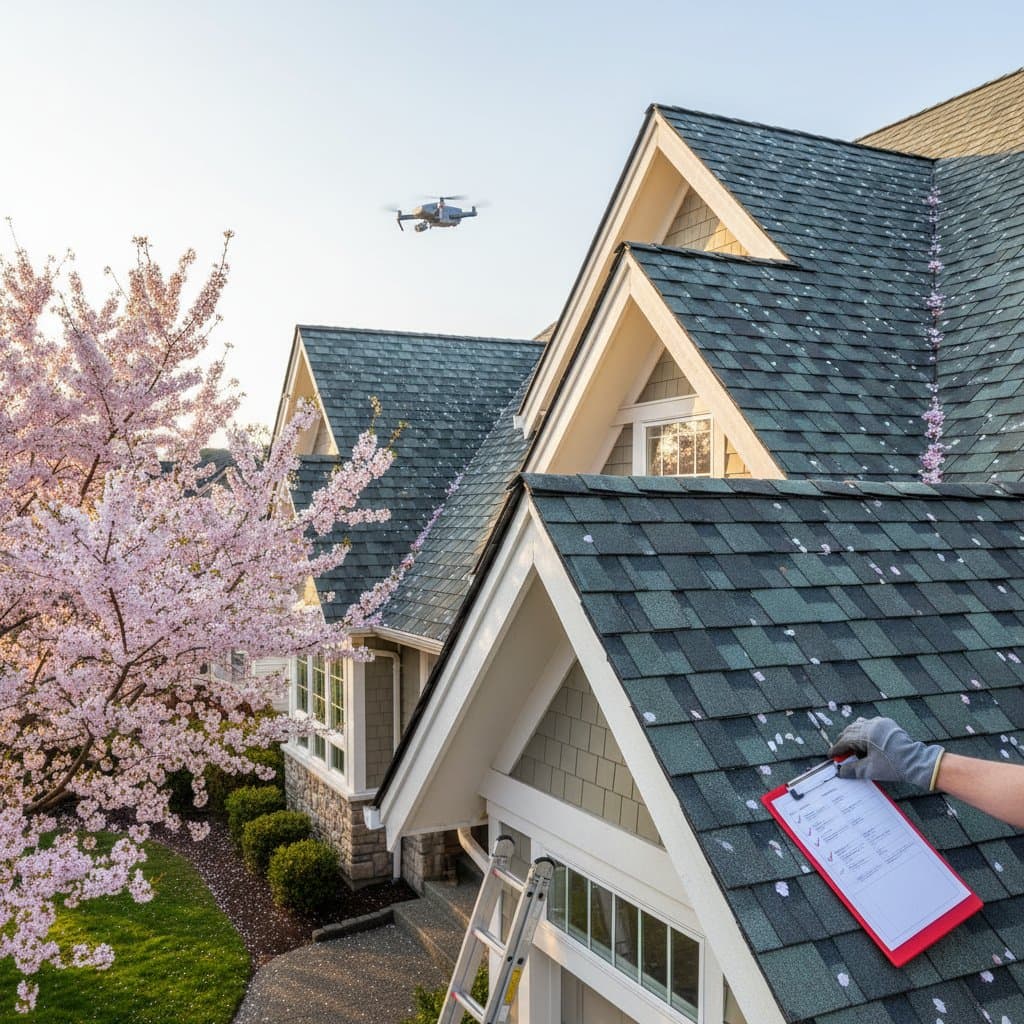
Spring Roof Care: A Comprehensive Checklist to Uncover Hidden Damage
Homeownership brings rewards alongside responsibilities, particularly when maintaining critical elements such as the roof. This structure shields the entire household from environmental elements, yet many individuals overlook routine assessments until visible issues emerge. Spring emerges as an ideal season for thorough inspections, since winter conditions frequently conceal damage that escalates over time. Employing a structured checklist enables early detection, thereby averting expensive interventions and preserving the residence's integrity.
Winter exposes roofs to severe stresses, including heavy snow accumulation, ice dams, and fluctuating freeze-thaw cycles. These factors contribute to subtle deteriorations, such as granule loss from shingles or minor cracks in flashing. Addressing these promptly maintains structural stability and enhances energy efficiency throughout the year. The following checklist provides a systematic approach to evaluation, ensuring comprehensive coverage without overwhelming complexity.
Spring Roof Inspection Checklist
-
Conduct a ground-level visual scan: Observe the roofline for curling, buckling, or absent shingles, which often result from prolonged moisture exposure. Note any irregular dark streaks, as they may indicate algae growth or early leak pathways. Use binoculars for safer, distant examination if the roof pitch appears steep.
-
Examine gutters and downspouts: Collect samples of debris to check for excessive shingle granules, resembling coarse sand, which erode due to weathering. Ensure water flows freely without pooling, since blockages direct moisture toward vulnerable areas like fascia boards. Clear accumulations using a sturdy ladder and gloves to avoid direct contact with potential contaminants.
-
Access the attic for internal review: Search for water stains on rafters, softened insulation, or persistent dampness, all hallmarks of undetected penetration. Verify that soffit vents and ridge vents remain unobstructed to facilitate proper airflow, reducing risks of mold proliferation and premature material degradation. Employ a flashlight to illuminate shadowed corners thoroughly.
-
Inspect flashing and penetrations: Focus on areas surrounding chimneys, vents, and skylights, where seals may weaken over seasons. Look for rust, gaps, or displaced sealant, which permit water entry during rain events. Test gently with a pry tool if accessible, but avoid forceful actions that could worsen conditions.
-
Clear surface debris: Remove branches, leaves, and accumulated sediment from the roof plane and valleys, preventing water ponding that accelerates wear. Schedule this after major spring thaws to account for newly dislodged materials. Consider using a leaf blower for efficiency on gentler slopes.
-
Evaluate overall alignment: Check for sagging sections or uneven settling, potentially signaling underlying truss issues from winter loads. Measure overhangs if possible to detect shifts greater than one inch, warranting immediate professional attention.
Performing Essential Maintenance Tasks
Initiate the process with safety precautions, such as securing ladders on stable ground and wearing non-slip footwear. Ground observations reveal surface anomalies without elevation risks, allowing identification of broad patterns like widespread granule shedding. This step proves invaluable for roofs exceeding 10 years in age, where material fatigue becomes prevalent.
Attic assessments demand caution against confined spaces and electrical hazards near wiring. Dark ceiling marks or sagging drywall below often correlate with roof breaches, necessitating documentation via photographs for reference. Adequate ventilation, ideally comprising 1 square foot per 150 square feet of attic space, mitigates summer heat buildup and winter ice formation.
Debris management extends beyond aesthetics, directly influencing drainage efficacy. Neglected gutters foster overflow, eroding foundation soils and inviting basement flooding. Integrate this task into broader yard cleanup routines for sustained vigilance.
Deciding Between DIY Efforts and Professional Assistance
Homeowners possess the capability for foundational tasks, including visual surveys and debris clearance, using household tools like a hose for gutter flushing. Minor repairs, such as applying sealant to small cracks around vent pipes, require asphalt-based products and a caulking gun for durable adhesion. These actions suit sloped roofs under two stories, where access remains feasible without advanced equipment.
Boundaries exist for DIY scope; extensive shingle replacement or chimney flashing overhaul demands expertise beyond typical skill sets. Professionals bring ladders, harnesses, and insurance coverage, minimizing accident liabilities. Evaluate personal comfort levels honestly, prioritizing safety over cost savings in ambiguous scenarios.
Indicators for Professional Roof Evaluation
Age serves as a primary trigger; roofs surpassing 20 years merit annual expert reviews, regardless of apparent condition. Multiple leak sources or persistent odors suggest systemic failures, detectable only through advanced diagnostics like infrared cameras that highlight temperature variances from moisture. Structural indicators, including bowed ridges or displaced tiles, indicate load-bearing concerns requiring immediate stabilization.
Professionals deploy tools such as moisture meters to quantify water content in sheathing, preventing escalation to mold remediation expenses. Annual or biennial consultations, costing between $200 and $500, yield reports outlining longevity projections and prioritized fixes. This investment safeguards against unforeseen failures during peak storm seasons.
Sustaining Roof Longevity Through Proactive Measures
Document findings from each inspection in a dedicated log, tracking patterns like recurrent granule accumulation to inform material upgrades. Establish quarterly reminders via calendar alerts to align with weather shifts, fostering habitual care. Consult local building codes for ventilation standards, ensuring compliance enhances insurance eligibility.
Engaging certified roofers for consultations builds a network of reliable support, often leading to discounted maintenance packages. Over successive seasons, accumulated knowledge empowers confident decision-making, from selecting UV-resistant coatings to timing full replacements. This diligence not only extends roof lifespan by 5 to 10 years but also bolsters property resale appeal.
Ultimately, proactive spring assessments transform potential vulnerabilities into managed routines, securing tranquility for homeowners. By integrating these steps, individuals uphold their home's role as a enduring sanctuary against elemental challenges.