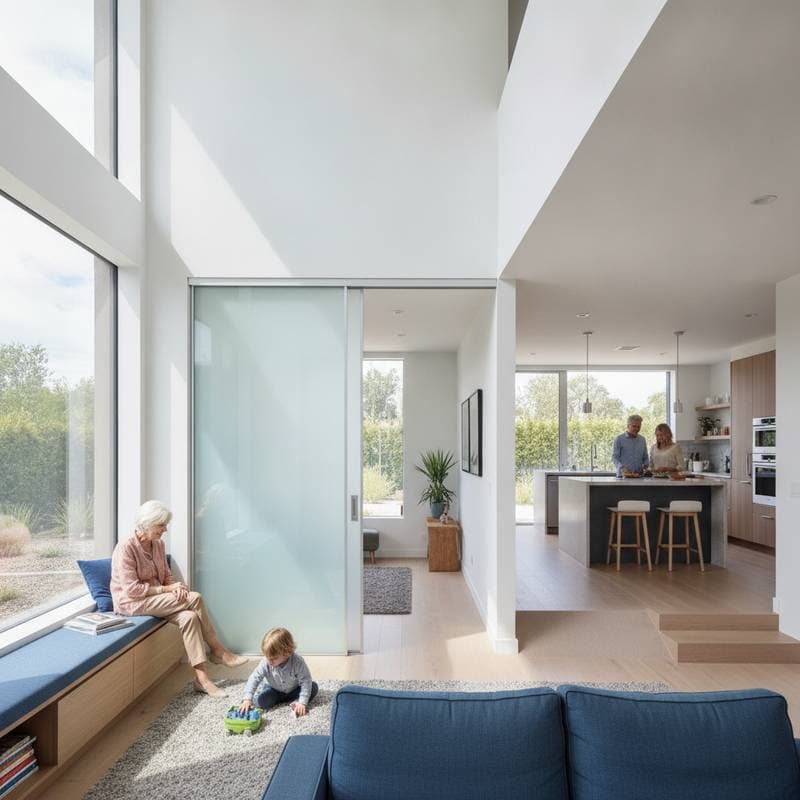
Why Removing Kitchen Islands Leads 2025 Renovation Trends
Home renovation costs in the United States continue to rise due to material tariffs and supply chain disruptions. These factors influence kitchen remodel decisions more than ever. A notable emerging trend involves the removal of kitchen islands, which many homeowners once viewed as essential features for luxury and utility. This change prioritizes reclaimed space, enhanced circulation, and adaptable living areas.
Professionals in remodeling observe that islands, previously central to open layouts, now often hinder rather than help daily routines. Homeowners seek designs that align with evolving habits, such as simpler meal preparation and integrated work areas. The shift toward island removal reflects broader preferences for efficiency and personalization in home design.
Reasons Homeowners Opt for Island Removal
Kitchen islands long served as multifunctional hubs, providing storage, seating, and a focal point in expansive kitchens. Recent lifestyle changes, however, render these fixed elements less practical. Families prepare fewer formal meals, entertain in relaxed settings, and repurpose kitchen areas for remote work or study, making bulky islands feel obstructive.
Prioritizing Adaptable Space
Contemporary living demands versatility in room usage. Homeowners prefer portable options like adjustable prep stations, wheeled utility carts, or expandable dining tables over permanent quartz countertops. The absence of an island allows for such modular elements that adapt to varying needs throughout the day. For instance, the freed space can accommodate a compact table that functions as both a meal area and a professional workstation, altering the overall dynamics of the home.
Enhancing Circulation and Accessibility
Designers emphasize the importance of efficient traffic flow in kitchens. An awkwardly positioned island can create bottlenecks, complicating tasks like cooking, cleaning, and guest interactions. Its removal streamlines movement, which proves particularly beneficial for households with young children or elderly members who require additional clearance. Unobstructed views also expand the perceived size of compact kitchens, fostering a more inviting atmosphere.
Addressing Escalating Costs
Tariffs on imported materials such as stone, timber, and fixtures have inflated the price of constructing or updating islands. Homeowners increasingly allocate budgets toward higher-impact upgrades, including durable flooring, advanced lighting, or appliances that reduce energy consumption. Redirecting funds from an island project can yield thousands of dollars in savings, applied to enhancements that deliver tangible long-term value.
Framework for Deciding on Removal: Self-Managed or Professional Assistance?
Kitchen island removal appears straightforward at first glance, yet it involves several potential challenges. Evaluate these considerations carefully before proceeding to avoid complications.
Scenarios for Self-Managed Removal
- The island functions as freestanding furniture without ties to plumbing, electricity, or subflooring; extraction then focuses on labor-intensive disassembly.
- Plans include personal refinishing of the floor; skilled individuals can reduce expenses by approximately one thousand dollars through patching and sealing.
- Basic woodworking expertise exists; precise dismantling of cabinets and surfaces minimizes risks to surrounding walls and floors.
Situations Requiring Expert Help
- Utilities connect to the island, such as water lines or wiring; certified specialists must handle disconnection or relocation to comply with regulations.
- A comprehensive kitchen overhaul is planned; professionals ensure the revised configuration adheres to building codes and supports optimal efficiency.
- Structural elements, like support beams or framing for upper cabinets and ventilation, may hide within the island.
Professionals advise against penetrating walls or floors without verification of hidden components. Hazards include electrical hazards and plumbing failures. In cases of uncertainty, consult a licensed contractor immediately.
Obtain estimates from at least three regional specialists prior to finalizing plans. This comparison reveals accurate pricing based on local conditions and confirms the credentials of potential hires.
Benefits: Emotional and Functional Gains
Initial concerns about losing counter space often give way to appreciation for newfound openness upon island removal. Social interactions shift from isolated bar seating to fluid gatherings along kitchen perimeters. The result is a more cohesive and welcoming environment.
Fostering Connections Through Open Design
An island-free layout integrates the kitchen seamlessly with adjacent living spaces. This setup improves oversight and interaction among family members. Natural pathways emerge between rooms, enhancing ease of movement and inclusivity for all occupants.
Simplifying Upkeep and Hygiene
Fewer nooks and overhangs reduce accumulation of debris and simplify surface maintenance. With diminished square footage of counters and cabinetry, cleaning routines become quicker and less demanding. Such efficiencies save considerable time for active households.
Unlocking Creative Layout Options
The vacated area invites innovative uses, from installing retractable tables and portable cutting boards to incorporating greenery or quiet zones. Homeowners gain the liberty to experiment with arrangements that suit personal tastes and routines. This flexibility sustains the appeal of the updated space over time.
Preparation Steps for Island Removal
Thorough groundwork minimizes disruptions during the removal process. Follow these measures to streamline execution and control expenses.
- Conduct precise measurements of clearances, appliance positions, and cabinet placements to anticipate adjustments.
- Examine the flooring beneath the island to assess whether it requires extension, patching, or refinishing.
- Map out all utility connections, including pipes and wiring; deactivate electricity at the main panel prior to any activity.
- Sketch the intended post-removal configuration to guide furniture and feature placements.
- Establish a budget with a ten percent buffer for unforeseen issues like concealed conduits or floor repairs.
These preparations facilitate efficient progress and informed choices throughout the project.
Preserving the Updated Space
After successful removal, complete finishing touches to safeguard the renovation. Apply fresh sealant to floors for uniformity and durability. Secure any exposed utility access points against humidity and insects. Select paint varieties that resist stains and facilitate easy wiping in high-traffic zones.
Incorporate adaptable furnishings to maintain versatility. Opt for lightweight, relocatable pieces such as foldable surfaces and mobile storage units. Regular decluttering ensures the open aesthetic endures, preserving the motivation behind the change.
Enduring Advantages of an Island-Free Kitchen
The decision to remove a kitchen island yields sustained improvements in daily life and property appeal. Enhanced spatial efficiency supports diverse activities without compromise. Over time, the design proves resilient to shifting family dynamics, adding enduring worth to the home. Homeowners who embrace this trend often report heightened satisfaction with their living environments, underscoring its alignment with forward-thinking renovation strategies.