Leverage 2025 Refinance Rates for Energy-Efficient Renovations
Homeowners face a strategic window in 2025 as refinance rates hold steady at attractive levels. This environment enables the conversion of built-up home equity into funds for targeted renovations that prioritize energy efficiency. By opting for cash-out refinancing, individuals can address high-energy-use areas, achieve measurable reductions in utility expenses, and simultaneously strengthen their property's market appeal.
The process begins with a clear assessment of current equity and potential upgrade impacts. Lenders typically allow borrowing up to 80 percent of available equity, depending on creditworthiness and home appraisal. Strategic selection of improvements ensures that borrowed funds generate returns through lower monthly bills and enhanced resale potential.
Key Features of Cash-Out Refinancing for Upgrades
Loan Structure: Cash-out refinance replaces the existing mortgage with a larger one, providing the difference in cash for renovations.
Efficiency Potential: Outcomes vary based on the interest rate differential and how upgrades perform; expect 10 to 30 percent annual energy savings with optimal choices.
Geographic Applicability: Available across all U.S. regions, though local regulations and climate considerations influence approval and benefits.
Equity Access Limit: Generally capped at 80 percent of home value minus outstanding mortgage balance.
Duration: Aligns with the new mortgage term, commonly 15 to 30 years, spreading costs over time.
Implementation Steps: Involves credit checks, property appraisals, and documentation of intended upgrades to secure approval.
This financing method suits comprehensive projects where long-term savings outweigh initial borrowing costs.
Regional Considerations for Maximum Efficiency
Local climate plays a pivotal role in determining the most effective upgrades funded by refinance proceeds. Tailoring investments to environmental demands maximizes return on investment.
-
Colder Regions: Prioritize high-efficiency furnaces with AFUE ratings exceeding 95 percent, along with triple-pane windows and comprehensive air sealing to minimize heat loss during winter months.
-
Humid Areas: Select variable-speed heat pumps boasting SEER2 ratings of 18 or higher for humidity control and consistent cooling without excessive energy draw.
-
Dry Climates: Focus on cool reflective roofing materials and ductless mini-split systems to combat intense solar heat gain and reduce reliance on central air conditioning.
Such region-specific enhancements not only cut operational costs but also improve home appraisals. Higher efficiency translates to better loan-to-value ratios in future refinances, creating a positive cycle for property owners.
Evaluating Financing Alternatives
Homeowners must weigh cash-out refinancing against other options to identify the best fit for their upgrade plans. Each method carries distinct advantages in terms of cost, flexibility, and suitability for energy projects.
| Financing Option | Interest Rate Profile | Term Length | Ideal Applications | Impact on Long-Term Expenses |
|---|---|---|---|---|
| Cash-Out Refinance | Fixed and competitive | 15-30 years | Extensive system overhauls | Strong, with predictable payments |
| Home Equity Line of Credit (HELOC) | Variable, market-driven | 10-20 years | Phased or ongoing improvements | Balanced, but sensitive to rate changes |
| Unsecured Personal Loan | Fixed but elevated | 5-7 years | Minor, quick-fix enhancements | Weaker, due to shorter repayment and higher rates |
Cash-out refinancing stands out for major energy initiatives, offering fixed rates that mirror the durable nature of installations like solar arrays or insulated envelopes. It also allows consolidation of existing debts, freeing up budget for renovations while maintaining payment stability.
Synergizing Upgrades with Existing Home Infrastructure
Effective energy upgrades require harmony across a home's mechanical and structural components. Isolating improvements, such as installing a new furnace without addressing attic insulation, often results in suboptimal performance and higher-than-expected energy use.
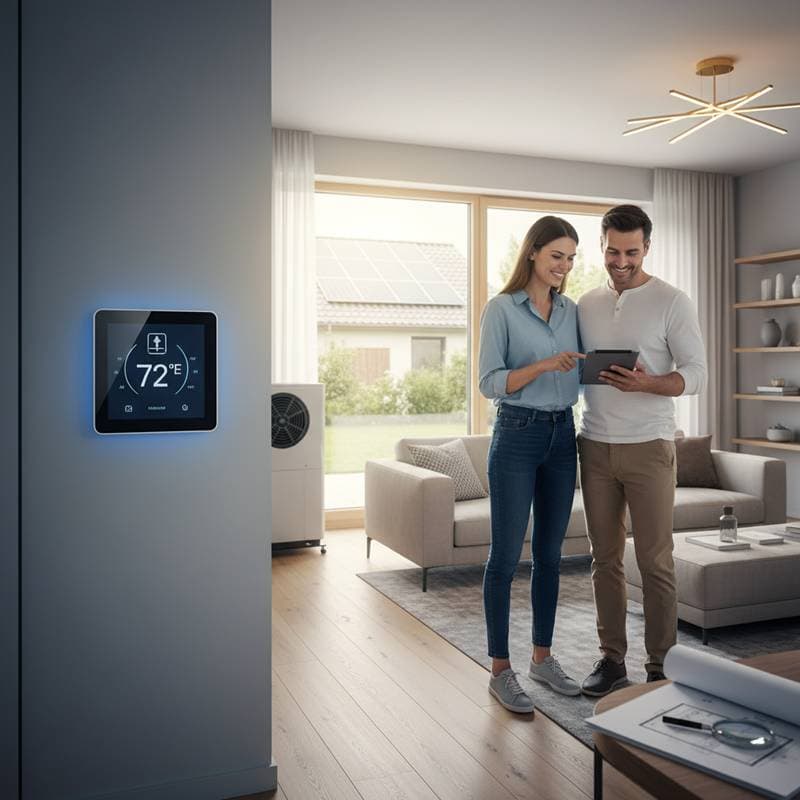
Homeowners benefit from conducting a professional energy audit prior to refinancing. This evaluation identifies inefficiencies and recommends integrated solutions, like pairing enhanced insulation with smart thermostats for automated control. Such coordinated efforts can boost overall system efficiency by 20 to 40 percent, delivering compounded savings and superior indoor comfort.
For instance, integrating solar panels with upgraded electrical systems ensures seamless energy capture and distribution. This holistic approach prevents common pitfalls and aligns upgrade longevity with the refinance term.
Steps to Execute Your Refinance-Funded Upgrade Plan
Preparation forms the foundation of a successful project. Start by obtaining a current home appraisal to gauge equity levels accurately. Review credit reports to address any issues that could affect borrowing terms.
Next, consult certified energy auditors to quantify projected savings from specific upgrades. Gather quotes from licensed contractors for ENERGY STAR-certified products that comply with local codes. Present this documentation to lenders during the application to demonstrate the project's viability and potential for value appreciation.
Upon approval, schedule installations in phases if needed to manage disruption. Monitor post-upgrade energy usage to verify performance and adjust habits for optimal results. This methodical process transforms refinancing into a catalyst for sustainable home improvements.
Realize Lasting Benefits Through Strategic Investments
A thoughtfully executed cash-out refinance elevates home functionality while safeguarding financial health. Energy-efficient upgrades reduce reliance on volatile utility rates and position properties favorably in competitive markets.
Homeowners gain not only immediate comfort enhancements but also resilience against rising energy prices. Each mortgage payment advances equity buildup alongside operational efficiencies, culminating in a home that supports environmental goals and personal well-being for decades ahead.