Understanding Living Walls
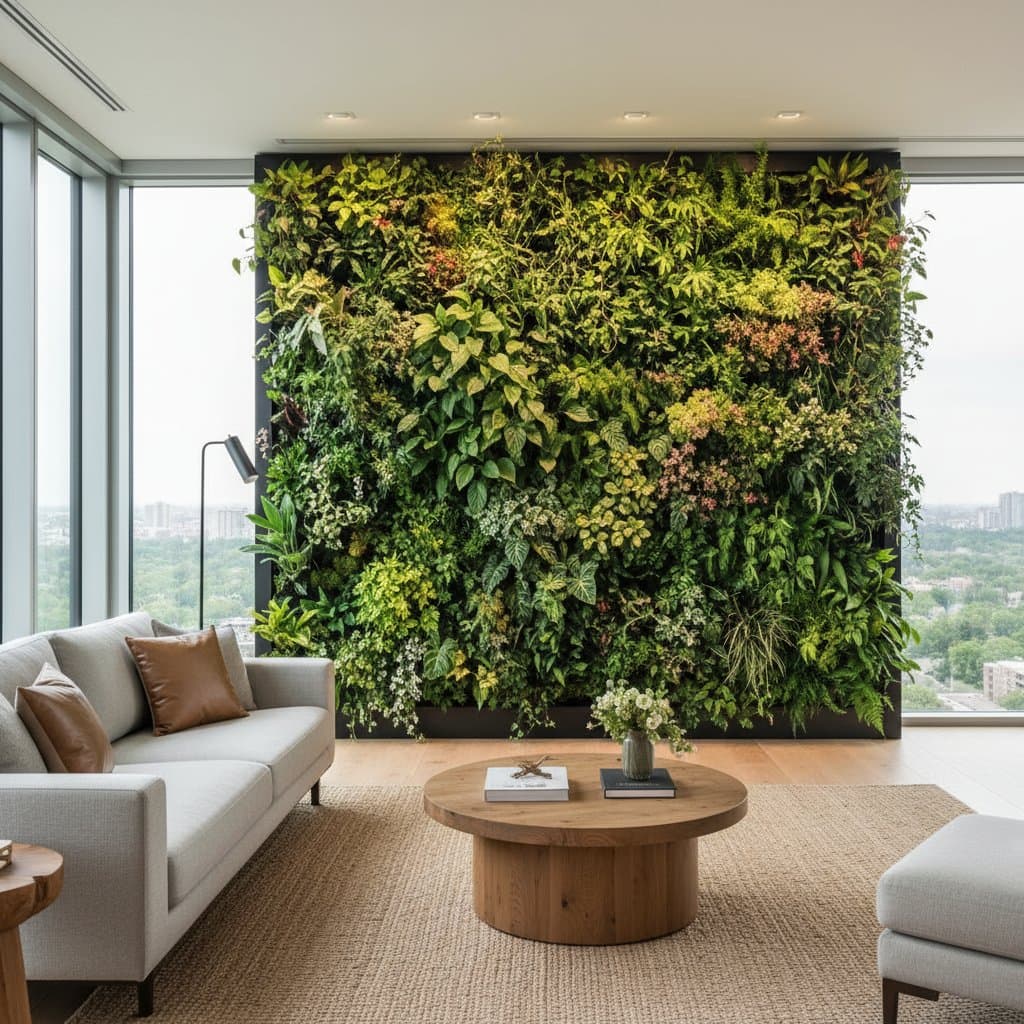
Living walls, also known as green walls or vertical gardens, consist of plants arranged on a vertical surface within a home. They integrate natural elements into indoor environments, promoting biophilic design principles that connect people with nature. Homeowners install these features to achieve both visual harmony and functional improvements.
These structures vary from simple moss panels to complex hydroponic systems. Each type suits different spaces, from small apartments to expansive residences. The choice depends on available light, wall size, and maintenance preferences.
Beyond decoration, living walls contribute to healthier living conditions. They filter pollutants, regulate humidity, and create calming atmospheres. Studies indicate that such features reduce stress and enhance overall well-being.
Key Benefits for Homeowners
One primary advantage lies in air quality enhancement. Plants absorb carbon dioxide and release oxygen, while also trapping dust and allergens. This results in fresher indoor air, particularly beneficial in urban settings with limited ventilation.
Energy efficiency improves as well. Living walls provide natural insulation, moderating room temperatures. In summer, they cool interiors through transpiration; in winter, they retain heat. Homeowners often notice lower utility bills after installation.
From a design perspective, these walls serve as focal points. They soften hard surfaces and introduce texture and color. Buyers seeking modern, eco-conscious homes view them as premium upgrades.
Cost Breakdown
Investing in a living wall requires budgeting for several components. Costs vary based on scale, materials, and location. Understanding these elements helps homeowners plan effectively.
Materials
Basic framing and support systems range from $500 to $2,000. These include modular panels that hold soil or hydroponic substrates. For custom designs, expenses rise with durable, weather-resistant materials.
Plants themselves cost $200 to $800, depending on variety and quantity. Native or low-water species keep prices down. Specialized pots or felt pockets add $100 to $400.
Irrigation and drainage systems account for $600 to $1,800. Automated watering ensures consistent moisture, while overflow containment prevents damage. In low-light areas, full-spectrum grow lights add $300 to $1,000.
Labor
Professional installation typically costs $2,000 to $5,000. This covers site preparation, mounting, and plant integration. Complex projects, such as those on uneven walls, demand more time and expertise.
Ongoing maintenance services range from $50 to $150 per visit. Annual contracts cost $500 to $1,000. These include pruning, fertilizing, and system checks to sustain plant health.
Regional Considerations
Maintenance expenses differ by climate. In humid coastal areas, natural moisture reduces irrigation needs, lowering costs. Dry or cold regions require additional heating elements or frequent watering, increasing budgets by 20 to 30 percent.
Urban locations often incur higher installation fees due to access challenges and skilled labor premiums. Rural areas may benefit from lower rates but face longer shipping times for materials.
Optimal Installation Timing
Select spring or early fall for installation to maximize plant success. Moderate temperatures and stable humidity allow roots to establish without stress. Avoid extreme heat or frost, which can hinder adaptation.
Plan ahead to account for supply delays. Modular panels and irrigation components may take weeks to arrive. For holiday or peak renovation seasons, secure contractors two months in advance.
Post-installation monitoring proves essential during the first season. Adjust watering based on plant response and environmental changes. This proactive approach ensures long-term vitality.
Calculating Return on Investment
Real estate professionals observe strong buyer interest in biophilic elements like living walls. These features differentiate properties in competitive markets. Quality design and seamless integration amplify appeal.
Estimated returns reach 60 to 90 percent on resale value. Appraisers factor in the wall's condition and contribution to overall aesthetics. Well-maintained installations justify higher listing prices.
Energy savings materialize through 5 to 10 percent reductions in cooling expenses. Balanced humidity decreases reliance on air conditioners. Additional benefits include fresher air and less dust, enhancing daily comfort.
Pairing living walls with complementary upgrades, such as energy-efficient windows or natural flooring, elevates market positioning. This holistic approach signals thoughtful, sustainable living to potential buyers.
Selecting Appropriate Plants
Plant choice influences maintenance demands and visual outcomes. Balance species for uniform growth and resilience. Avoid combining delicate varieties with robust ones to prevent imbalances.
Recommended Low-Maintenance Plants
- Pothos grows quickly and tolerates neglect, ideal for beginners.
- Philodendron flourishes in medium light with minimal care.
- Ferns suit humid environments but require steady moisture.
- Spider plants excel at air purification and adapt to various conditions.
- Succulents thrive in bright, arid spots with infrequent watering.
Steer clear of heavy shedders or high-pruning needs. For shaded walls, opt for low-light tolerant options. In sunny areas, incorporate protective screens to avoid foliage scorching.
Consult local nurseries for region-specific recommendations. Test small sections before full commitment. This strategy refines selections based on actual performance.
Incorporating Living Walls into Interiors
Intentional placement enhances design cohesion. Position walls to complement room functions and sightlines. In kitchens, herb-focused panels provide practical utility alongside beauty.
Living room installations behind seating create inviting backdrops. Consider scale to avoid overwhelming spaces. Smaller accents work well in hallways or entryways.
Adapt styles to existing decor. Modern interiors benefit from sleek panels and consistent greenery. Rustic settings accommodate diverse textures like trailing vines and moss.
Lighting enhances effects dramatically. Soft uplighting highlights textures at night. Integrate smart controls for automated adjustments based on time or occupancy.
Sustaining Long-Term Health
Regular care preserves the wall's integrity and appearance. Inspect irrigation weekly for clogs or leaks. Service pumps and filters quarterly to maintain efficiency.
Replace underperforming plants promptly to prevent spread of issues. Prune overgrown sections to promote even density. Seasonal fertilizing supports vigor without excess growth.
As the wall matures, benefits compound. Deeper roots improve stability, while denser foliage boosts purification. This evolution integrates the feature deeply into home life.
Realizing Lasting Advantages
Living walls deliver enduring value through health, efficiency, and appeal. They foster environments that nurture well-being and sustainability. Homeowners who invest thoughtfully enjoy both immediate gratification and future gains.
Reserve wall space in upcoming renovations for these green elements. The infusion of nature indoors creates timeless, vibrant spaces. This choice aligns with evolving preferences for eco-integrated living.