Solar Shingles vs. Panels: Cost Comparison for 2026
Homeowners exploring renewable energy options often face a key decision: solar shingles or traditional panels. Both technologies convert sunlight into electricity, reducing reliance on grid power and cutting utility bills. However, differences in design, installation, and pricing make one more suitable depending on roof condition, budget, and visual preferences.
To determine the more affordable choice, examine total ownership costs, including initial investment, energy output, and maintenance over 25 years. Panels generally provide better value for most properties, while shingles suit specific scenarios like new roof installations.
Core Differences in Design and Function
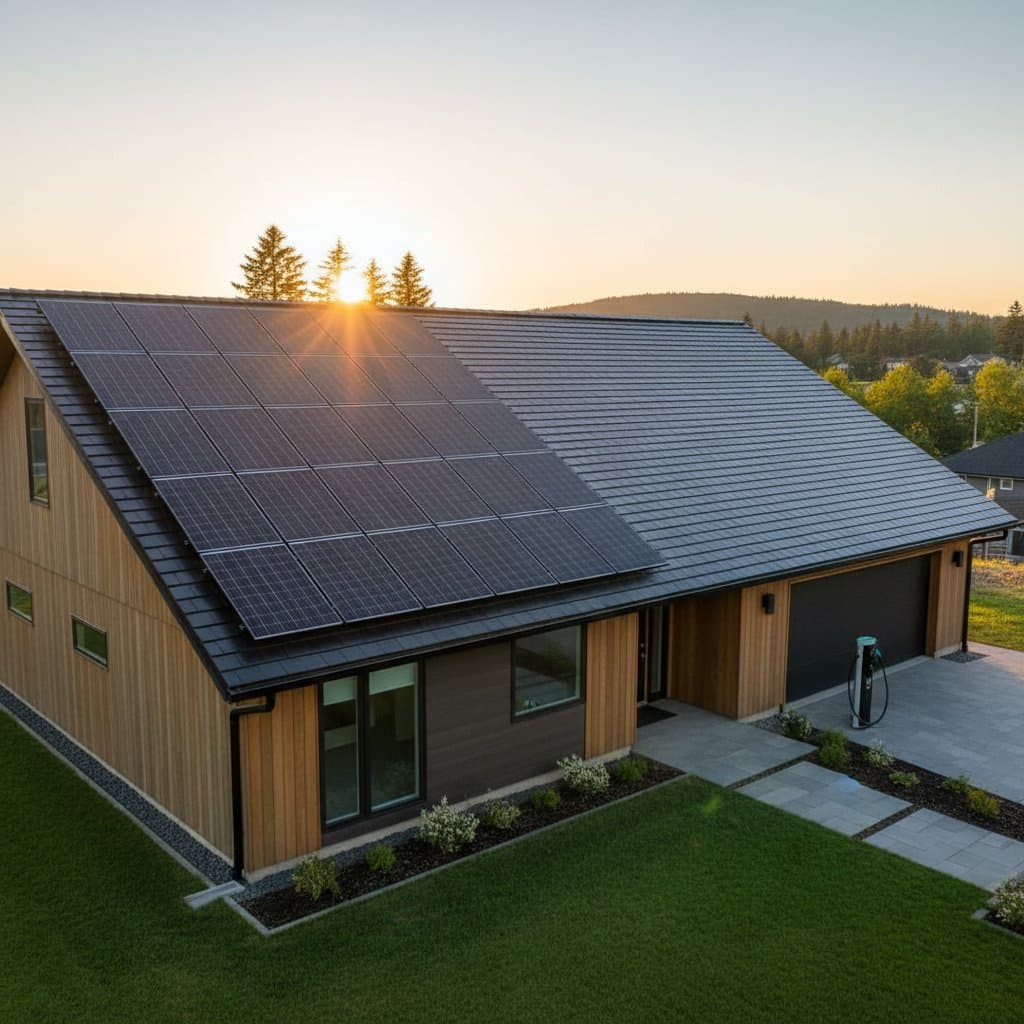
Solar panels mount on existing roofs via racking systems, preserving the underlying structure. This approach allows flexibility in system size and easier scalability. In contrast, solar shingles integrate directly into the roofing material, replacing traditional tiles or shakes for a uniform appearance.
Efficiency ratings vary: panels often reach 20-22% conversion rates, while shingles hover around 15-18%. Higher efficiency means more power from the same roof area, influencing long-term savings. Panels also benefit from decades of refinement, offering proven durability against weather extremes.
Breaking Down Solar Panel Costs
Solar panels cost between $2.50 and $3.50 per watt before incentives in 2026 projections. A typical 5-kilowatt system for an average home ranges from $12,500 to $17,500 installed. Factors driving price include panel type—monocrystalline for higher output or polycrystalline for affordability—plus roof pitch and orientation.
Installation requires securing racks to rafters, wiring to an inverter, and grid connection. Labor accounts for 20-30% of total expenses, varying by region. Widely available components keep repair costs low, with 25-year warranties standard from manufacturers.
Energy production estimates 10,000-15,000 kilowatt-hours annually for a mid-sized array, offsetting 70-100% of household use. Payback occurs in 6-8 years, factoring federal tax credits that reduce net costs by 30%.
Analyzing Solar Shingle Expenses
Solar shingles command $4.00 to $6.00 per watt, pushing a comparable 5-kilowatt setup to $20,000-$30,000. Premium brands like those mimicking asphalt or slate add to the price due to specialized manufacturing. Full roof coverage demands precise fitting, increasing labor demands.
If replacing an aging roof anyway, shingles consolidate expenses: roofing labor merges with solar setup, potentially saving 10-20% over separate projects. However, partial installations remain costlier than panels. Integration with home electrical systems requires custom inverters, adding $2,000-$5,000.
Output lags panels by 10-20%, yielding 8,000-12,000 kilowatt-hours yearly. Warranties cover 25 years for power output but may exclude roofing functions, complicating claims. Payback stretches to 10-12 years, though aesthetic appeal enhances property value by up to 5%.
Installation: DIY Elements and Professional Essentials
Solar systems demand expertise in electrical and structural work to meet safety codes. Homeowners can prepare by auditing energy consumption—review 12 months of bills to size the array accurately—and identifying incentives like state rebates.
Obtain 3-5 quotes from NABCEP-certified installers to compare apples-to-apples. Professionals conduct site surveys, assessing south-facing exposure and shading from trees or chimneys.
Hire experts for core tasks:
- Structural reinforcements if roof load exceeds limits.
- DC-to-AC conversion via microinverters or string setups.
- Permitting and inspections for compliance.
Self-attempting wiring risks fire hazards or voided warranties. Post-installation, monitor output via apps to optimize performance.
Scenarios Favoring Professional Guidance
Engage a specialist when your roof exceeds 15 years old, shows leaks, or requires venting adjustments. They evaluate load-bearing capacity and recommend reinforcements, preventing future leaks.
For complex homes—multi-story or with steep pitches—pros simulate energy yields using software. They also navigate utility interconnections, ensuring net metering credits flow smoothly.
Select installers with 5+ years experience and local portfolios. Verify insurance coverage for workmanship, typically 10 years, to safeguard investments.
Steps to Select and Implement Your System
Assess your roof's viability first: hire an inspector for $300-$500 to flag issues. Calculate needs based on 10-15 kilowatt-hours daily usage for a family of four.
Solicit bids specifying panel or shingle brands, inverter efficiency, and projected savings. Include soft costs like permitting fees, around $1,000.
Apply incentives early: federal credits apply at purchase, while local programs may cover 20% more. Total outlay drops 40-50% with stacking.
Finalize with a contract outlining timelines—4-8 weeks from permit to activation—and performance guarantees.
Advancing Toward Energy Independence
Solar panels deliver superior cost efficiency in 2026 for intact roofs, yielding faster returns through higher output and lower prices. Shingles excel in redesign projects, blending functionality with style despite premium pricing.
Track advancements in battery storage to pair with your choice, storing excess for evenings. Regular cleanings—twice yearly—maintain peak efficiency, extending system life.
This investment secures lower bills and resilience against rate hikes, while contributing to cleaner energy grids. Start with a professional consultation to tailor the solution to your home's potential.