Self-Cleaning Gutter Guards Simplify Spring Preparation
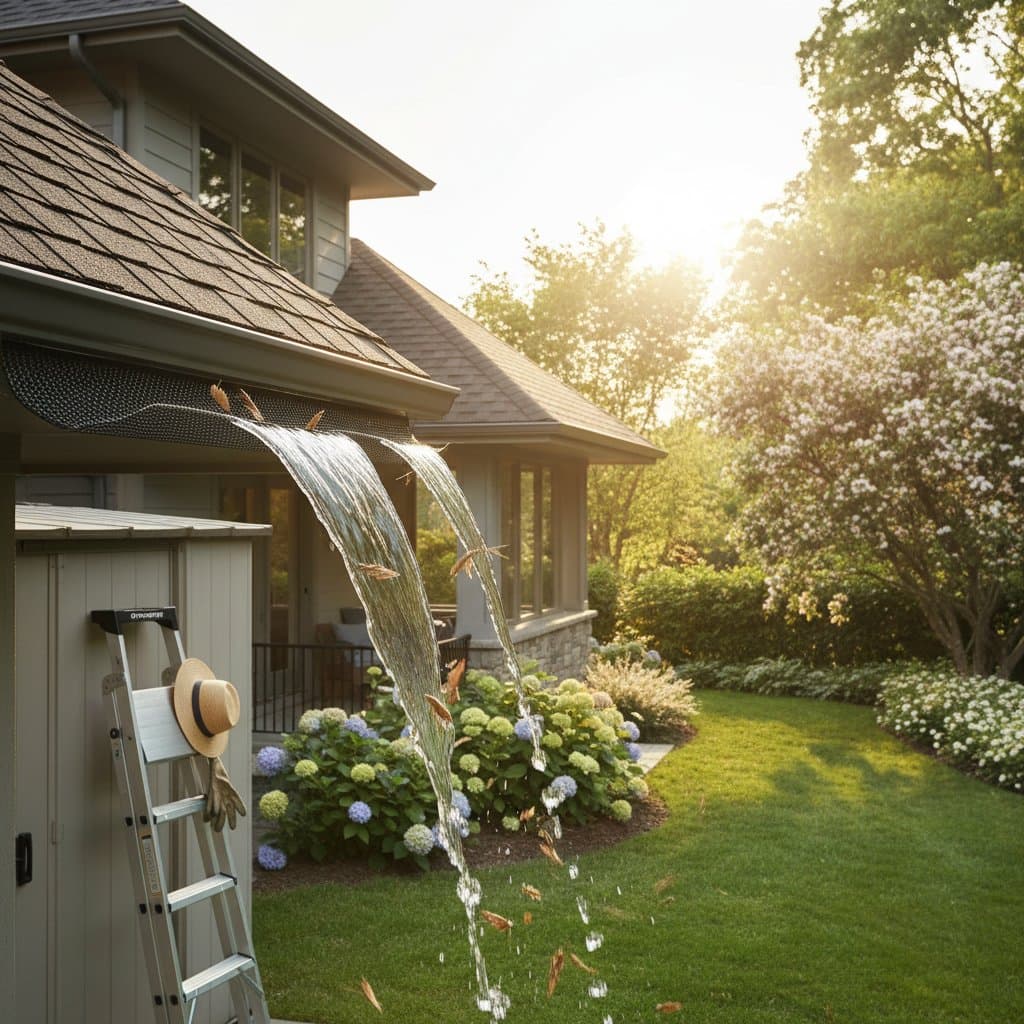
Selecting an appropriate gutter guard system prevents substantial water damage costs and eliminates extensive ladder work during spring. Traditional options limit debris accumulation yet demand regular manual intervention. Advanced self-cleaning gutter guards advance this protection through hydrodynamic surfaces and specialized mesh that expel debris naturally during rainfall.
System Overview
Technology Type: Self-cleaning gutter guard system
Efficiency Rating: 95 percent debris rejection efficiency, verified by independent laboratory evaluations
Climate Zones: Suitable for Department of Energy Zones 2 through 7
Average Capacity: Manages rainfall rates up to 22 inches per hour
Typical Lifespan: 20 to 30 years when maintained correctly
Installation Complexity: Moderate to high, varying by roof configuration
Code Compliance: Adheres to local regulations for stormwater management and roof perimeter safety
These specifications highlight the system's reliability across diverse conditions. Homeowners benefit from reduced maintenance frequency and enhanced durability.
Regional Performance and Climate Adaptations
Performance of self-cleaning gutter guards varies with local rainfall patterns, vegetation abundance, and temperature fluctuations.
- Humid and Rainy Climates (Zones 2 to 4): Fine stainless-steel mesh configurations inhibit organic buildup and fungal growth.
- Cold and Snowy Regions (Zones 5 to 7): Heat-conductive aluminum frameworks minimize ice bridges and facilitate efficient meltwater drainage along gutter margins.
- Arid or Low-Vegetation Areas (Zones 1 and 8): Perforated surface designs prove adequate, given minimal debris loads.
Optimal setup involves adjusting installation angles and downspout positions to match maximum precipitation levels. A unit designed for 20 inches per hour risks overflow in intense storms without adequate slope or capacity adjustments.
Integration with Roof and Drainage Infrastructure
Prior to installation, assess roof incline, fascia integrity, and downspout dimensions. Self-cleaning guards demand exact alignment with shingles and gutter rims. Inadequate overlap or insecure fasteners lead to backups during severe weather.
Retrofitting older structures often necessitates reinforcing supports or enlarging downspouts. Properties with intricate roof geometries utilize modular panels tailored to navigate valleys and dormers seamlessly.
Evaluate compatibility with existing hanger systems or edge flashing. Certain models integrate directly onto current gutters without altering shingles, while others require complete gutter renewal for peak functionality.
Installation Procedures and Expert Recommendations
Precision defines successful self-cleaning gutter guard deployment. Uneven panels or unsealed joints disrupt water flow and automated debris removal. Certified professionals employ laser tools for uniform grading and consistent extension over edges.
Essential installation elements encompass:
- Roof slopes exceeding 4 in 12 for reverse-curve variants
- Corrosion-resistant stainless fasteners for secure attachment
- Minimum one-inch seam overlaps to preserve hydraulic continuity
- Appropriately scaled downspouts to accommodate accelerated flow rates
Individuals opting for self-installation must confirm alignment with municipal codes governing rooftop water diversion.
Evaluating Long-Term Effectiveness
Gauge system efficacy via throughput volume, debris exclusion rates, and material resilience. Testing in controlled settings demonstrates that stainless-steel mesh variants sustain over 90 percent capacity following prolonged simulated weathering. Reverse-curve designs exhibit marginally reduced flow due to occasional leaf adhesion.
Broader environmental advantages include mitigating soil erosion near foundations and curtailing interior dampness from overflows. These outcomes underscore the guards' role in preserving property integrity over time.
Steps to Implement Effective Gutter Protection
Self-cleaning gutter guards deliver a streamlined approach for those seeking to minimize routine upkeep. They ensure steady water evacuation, safeguard building components, and promote sustained outdoor durability.
Proceed with these measures:
- Determine Climate Suitability: Choose configurations and materials matched to precipitation volume and thermal variations.
- Inspect Current Gutter Infrastructure: Upgrade downspouts or expand channels as needed to support enhanced drainage.
- Engage Qualified Installers: Expert placement guarantees ideal gradients and comprehensive self-cleaning operation.
- Schedule Routine Evaluations: Periodic reviews optimize even automated systems' performance.
Advanced self-cleaning gutter guards, through innovative engineering and robust construction, convert demanding maintenance tasks into reliable, minimal-effort processes. For spring readiness, this solution enhances safety, efficiency, and enduring reliability.