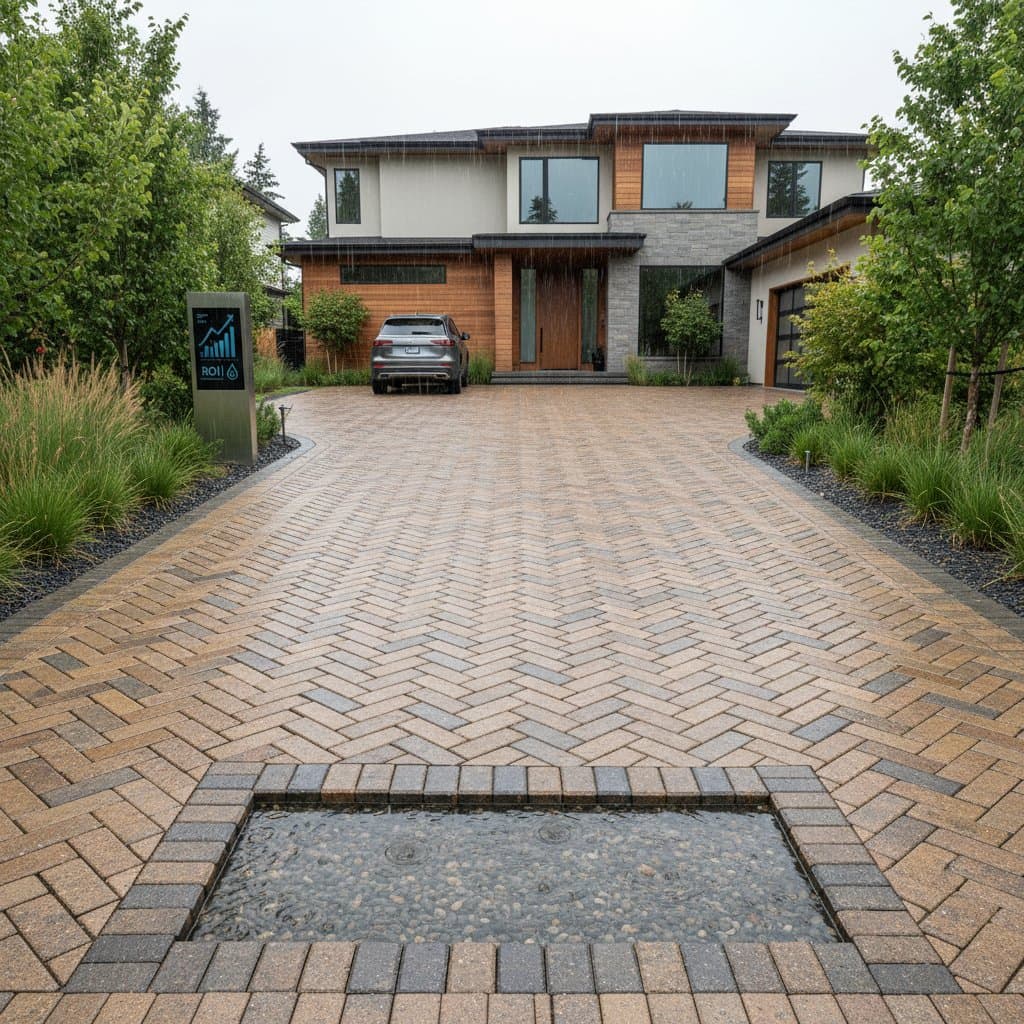
Boost Home Value with Permeable Driveways and 2026 Compliance
Homeownership involves ongoing maintenance, upgrades, and adherence to evolving regulations. Permeable driveways emerge as a practical response to these demands. They enhance property appeal, mitigate flood risks, and align with impending stormwater rules set for 2026.
Many property owners grapple with the implications of these regulations. Permeable surfaces address this uncertainty by integrating environmental responsibility with financial benefits. These systems allow water to infiltrate the ground, reducing runoff and supporting local ecosystems.
The Rising Need for Permeable Driveways
Local governments intensify stormwater controls to curb pollution and flooding. Impervious surfaces like traditional concrete driveways exacerbate these issues by directing water toward sewers and waterways. Property owners share responsibility for managing this flow.
Driveways occupy substantial impervious area on many lots. Switching to permeable options ensures compliance with mandates while safeguarding the home. Certain municipalities provide incentives, including rebates or reduced fees, to offset installation costs.
These upgrades extend beyond regulation. They prevent water damage to foundations and landscapes. Over time, such investments yield returns through increased property values and lower utility bills from efficient water management.
Selecting the Right Permeable Materials
Various materials suit different needs and budgets. Gravel grids offer a simple, interlocking design ideal for light traffic areas. They consist of plastic cells filled with aggregate, promoting easy water passage.
Pervious concrete provides a solid, durable surface with voids for infiltration. Porous asphalt functions similarly, delivering a familiar paved look. Each option requires assessment of soil permeability and local climate.
Consult soil tests to determine base requirements. Sandy soils drain quickly, while clay demands deeper layers for effective performance. Select materials certified for permeability rates exceeding 100 inches per hour to meet standards.
Installation Options: DIY or Professional
Installation success hinges on precise preparation. The process involves excavating the site, installing a gravel base, and applying the surface layer. Incorrect grading leads to pooling or erosion.
DIY Installation for Smaller Projects
Homeowners with experience can tackle modest replacements. Use gravel grids for sections under 200 square feet. Gather tools such as a shovel, level, and plate compactor.
Excavate six inches deep, add a geotextile fabric, and layer coarse gravel. Fill grids with fine aggregate and compact evenly. Test drainage by pouring water to confirm flow.
Professional Installation for Complex Sites
Engage experts for full driveways or challenging terrains. Professionals handle pervious concrete pours, ensuring uniform voids. They evaluate load-bearing needs for vehicles over 5,000 pounds.
Hire certified installers familiar with local codes. They perform percolation tests and design slopes of at least one percent away from structures. This approach guarantees longevity, often exceeding 20 years.
When Professional Help Proves Essential
Certain conditions necessitate expert intervention. Sloped sites risk directing water toward the home without proper channeling. Heavy clay soils require stabilization techniques beyond basic methods.
Opt for professionals when installing concrete or asphalt variants. These demand mixing precise ratios and curing under controlled conditions. Uncertainty about site assessment also warrants their involvement.
Certified contractors provide warranties and navigate permitting. They integrate features like edge restraints to prevent shifting. Such thoroughness protects the investment from premature failure.
Routine Maintenance for Optimal Performance
Permeable driveways thrive with consistent upkeep. Debris accumulation hinders infiltration, so address it promptly. Regular care preserves functionality and appearance.
Sweep surfaces bi-monthly using a stiff broom. Vacuum finer particles with a shop vac equipped with a HEPA filter. Avoid high-pressure washing above 1,500 PSI to prevent joint erosion.
Replenish gravel in joints annually, targeting one-inch depth. Monitor for sediment buildup after storms. Professional deep cleaning every two years restores full capacity if needed.
Seasonal Maintenance Strategies
Incorporate driveway care into yearly routines for sustained results. Spring cleanup removes winter salt and debris. Inspect for settling and add base material as required.
During summer, control weeds with vinegar-based solutions. Autumn demands swift leaf removal to avoid matting. In winter, apply traction sand rather than de-icing chemicals.
These practices prevent clogs and extend surface life. Track performance by noting drainage times post-rainfall. Adjustments ensure the system handles peak loads effectively.
Preparing for Regulatory Changes and Market Advantages
Stormwater mandates evolve, with 2026 marking a key threshold for many regions. Properties equipped with permeable features comply effortlessly. This preparation avoids costly retrofits later.
Buyers increasingly seek eco-conscious homes. A permeable driveway signals forward-thinking ownership, potentially raising sale prices by five to ten percent. It differentiates the property in competitive markets.
Integrate these upgrades during renovations for maximum impact. Combine with rain gardens or native plantings to amplify benefits. Such enhancements foster resilience against climate shifts.
Steps to Implement Your Upgrade
Evaluate the existing driveway during the next rain event. Observe pooling patterns and measure impervious coverage. Research local incentives through municipal websites.
Budget for materials and labor, anticipating $8 to $15 per square foot. Start small by converting overflow parking areas. This phased approach minimizes disruption while delivering immediate gains.
Partner with reputable suppliers for quality assurance. Document the installation for future reference and rebates. Through deliberate planning, transform the driveway into a valuable asset that enhances home security and appeal.