2026 Regulations Enhance Permeable Driveway Returns
Home renovation expenses continue to rise due to constrained material supplies and stricter local building codes. A significant development involves the integration of permeable driveways into stormwater management standards across numerous municipalities. For those considering driveway resurfacing, these evolving requirements present a favorable opportunity. Early investment in permeable systems yields tangible benefits for property owners.
This shift transforms potential regulatory challenges into advantages through improved functionality and value appreciation.
The Rising Importance of Permeable Driveways
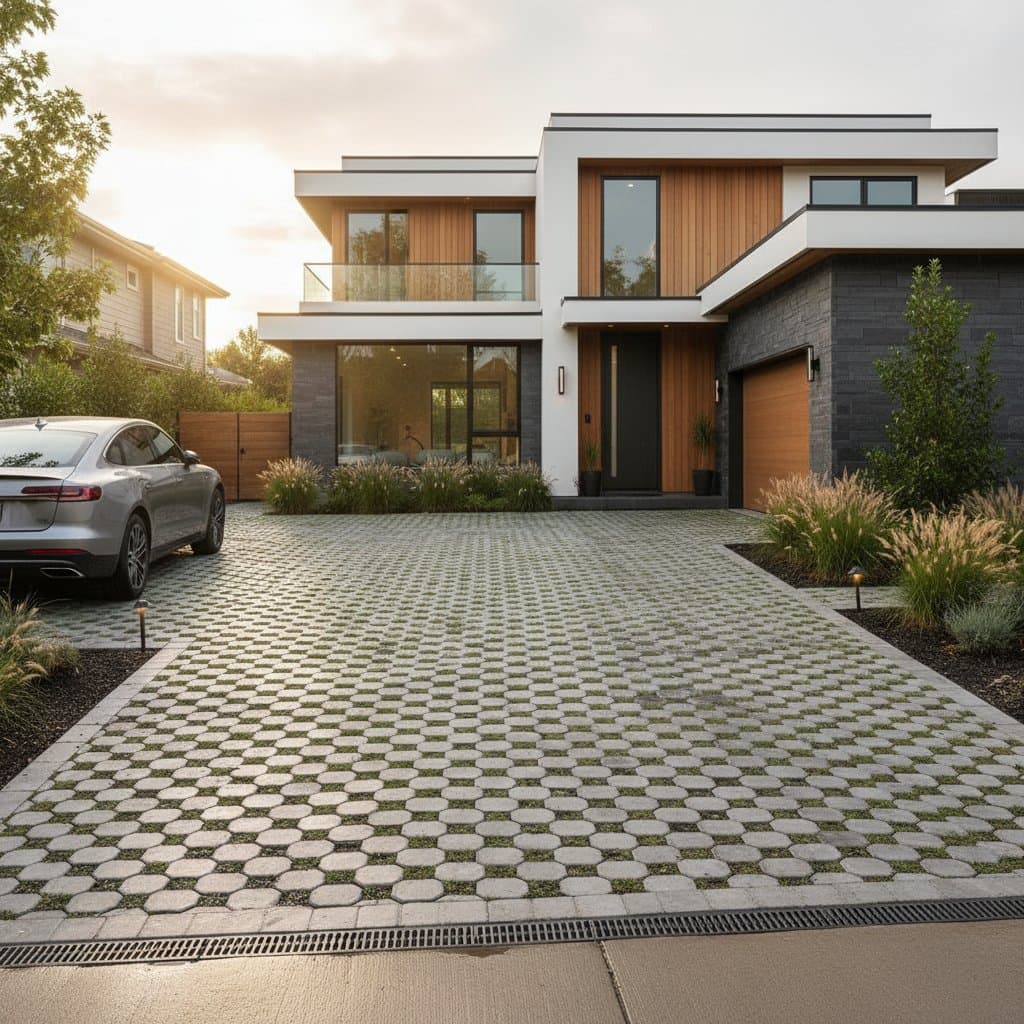
Permeable driveways permit rainwater to infiltrate the surface and reach a underlying gravel layer, which filters and directs water toward the soil rather than overburdening storm drains. This design mitigates surface pooling, soil erosion, and strain on public infrastructure. Municipalities increasingly mandate such surfaces for new builds and substantial renovations to adhere to runoff reduction thresholds.
From the homeowner perspective, these mandates may initially appear limiting. However, they open doors to enhanced property worth, decreased ongoing upkeep expenses, and potential reductions in water usage through features like rainwater collection for irrigation. Homeowners who adopt permeable options report immediate improvements, such as eliminated standing water and resistance to winter frost damage. Over time, these installations appeal to buyers seeking properties aligned with environmental standards and regulatory compliance.
Decision Framework: DIY Versus Professional Installation
Scenarios for DIY Installation
DIY approaches suit smaller projects, such as installing gravel grid systems or resurfacing brief walkways. Homeowners can manage site preparation, including base excavation and grading, then position the grid panels. Rental equipment like a plate compactor or compact excavator typically costs two hundred to four hundred dollars per day. Focus on achieving even compaction to support load-bearing stability.
Reasons to Engage Professionals
Professional services prove essential for complete driveway installations or those integrated with broader drainage features. Errors in establishing proper slopes, achieving uniform compaction, or determining sub-base thickness may result in water accumulation or surface instability. Certified contractors specializing in permeable installations often supply necessary documentation for municipal approvals, streamlining the inspection process.
Common DIY Pitfalls to Avoid:
-
Insufficient sub-base depth, which leads to settling and uneven surfaces
-
Improper selection of aggregate sizes, impeding water percolation
-
Absence of overflow drainage provisions, causing backups during heavy rains
For properties anticipated for sale in the near term, professional execution ensures verifiable standards that satisfy both appraisers and regulators.
Calculating Returns: Beyond Basic Compliance
The value derived from a permeable driveway extends past mere adherence to codes. It encompasses evasion of penalties, diminished repair needs, and elevated aesthetic appeal.
Key Return Components:
-
Appreciation in property value: Three to five percent uplift in regions enforcing stormwater controls
-
Annual maintenance reductions: Savings of two hundred to four hundred dollars on resealing, crack repairs, and water damage mitigation
-
Penalty and insurance offsets: Circumvention of fines up to two thousand dollars per infraction related to runoff violations
-
Additional efficiencies: Lower thermal absorption for cooler adjacent areas and simplified yard water management
Long-term residents benefit from superior endurance, as these systems withstand repeated freeze-thaw events without the frequent interventions required for traditional concrete.
Strategic Implementation: Selecting Optimal Pathways
When undertaking comprehensive exterior upgrades, address the driveway as the initial priority. Its placement directly impacts stormwater compliance and influences grading for adjacent patios or garden areas. Following installation, coordinate surrounding elements with matching permeable pavers or gravel accents for cohesive design.
Recommended Installation Sequence:
-
Establish the permeable driveway foundation and infiltration base
-
Incorporate rain gardens or bioswales to handle surplus water
-
Connect downspouts to storage solutions like rain barrels for non-potable reuse
-
Enhance with vegetation that promotes natural absorption, such as native plants
This progressive approach layers practical utility with aesthetic integration. Completing the driveway first facilitates more effective water control throughout the property.
Actionable Steps for Driveway Upgrades
Assess your current driveway condition and local 2026 regulation timelines through municipal planning offices. Consult certified permeable specialists for site-specific evaluations, including soil permeability tests. Budget for materials like open-graded aggregates and permeable pavers, which range from eight to fifteen dollars per square foot installed. Secure permits early to align with compliance deadlines. By initiating these measures, homeowners position their properties for enhanced resilience, value growth, and seamless adaptation to environmental standards.