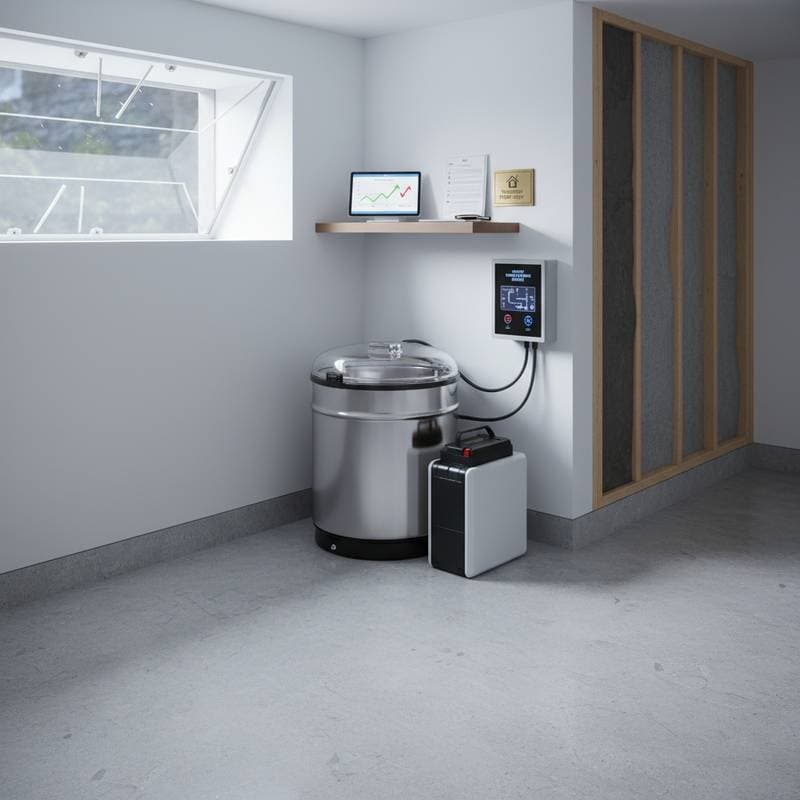
2025 Mandates: Essential Steps to Flood-Proof Your Basement
Rising flood insurance claims have prompted nationwide requirements that influence basement maintenance and insurance coverage. Homeowners in flood-prone regions must install certified flood-proofing measures prior to policy renewals. Failure to comply may increase premiums by thousands of dollars and restrict claims for flood-related losses. Proactive upgrades safeguard property, lower insurance expenses, and enhance resale value.
The Importance of These New Mandates
Insurance providers require evidence of flood mitigation in lower-level spaces. These rules target reductions in claims from foundation damage, mold growth, and electrical issues due to water entry. Basements situated below the base flood elevation demand documentation of waterproofing enhancements before renewals. Certain municipalities mandate inspection reports from licensed contractors.
Noncompliance carries significant penalties. Homeowners lacking certified protection face premiums 30 percent to 50 percent higher, with potential exclusions for basement coverage. Compliance elevates property value by up to 10 percent in high-risk areas. Strategic implementation turns necessity into advantage.
Factors Influencing Project Costs
Multiple elements determine the overall expense of flood-proofing.
- Foundation Type: Concrete block walls retain more moisture compared to poured concrete, necessitating extra sealing.
- Soil Composition: Clay soils retain water and exert greater hydrostatic pressure on walls, while sandy soils facilitate drainage and lessen stress.
- Pre-Existing Damage: Evidence of cracks, efflorescence, or mold signals underlying leaks that require structural fixes before waterproofing applications.
- Site Accessibility: Restricted exterior access or narrow property boundaries elevate labor costs by 10 percent to 20 percent.
- Local Regulations: Requirements for backflow preventers, sump pump alarms, or sealed utility entries are common for compliance certification.
Conduct a thorough basement inspection prior to engaging contractors. Document damp areas, cracks in floors, or signs of discoloration with photographs. Such records assist contractors in selecting appropriate systems and provide insurers with proof of initial conditions.
Cost Breakdown Examples
Basic interior sealing for a standard 1,000-square-foot basement typically ranges from $3,000 to $5,000, covering sealants and minor drainage adjustments. Exterior membrane applications, which offer superior long-term protection, cost $8,000 to $15,000, including excavation and waterproof barriers. Advanced systems with sump pumps and French drains add $2,000 to $4,000 but qualify for premium reductions of 15 percent to 25 percent.
Strategies to Minimize Expenses
Flood-proofing represents a substantial investment, yet thoughtful approaches control costs while preserving effectiveness.
- Time Projects for Dry Seasons: Firms offer lower rates when ground conditions allow efficient work. Steer clear of wet periods that complicate digging.
- Combine Necessary Improvements: Integrate foundation repairs or insulation into the project to distribute labor and equipment expenses.
- Add a Battery Backup Sump Pump: This addition, priced at $900 to $1,200, ensures operation during outages and often secures insurance discounts.
- Explore Municipal Incentives: Select areas provide up to $2,000 in rebates for backflow devices or enhanced drainage solutions.
- Obtain Multiple Quotes: Variations of 25 percent occur for identical work scopes. Request itemized details on materials, warranties, and compliance proofs from each bidder.
Secure three complimentary estimates from regional specialists to establish competitive pricing and confirm familiarity with updated regulations.
Selecting a Qualified Contractor
Effective flood-proofing requires specialized expertise. Evaluate candidates through these steps:
- Seek Client References: Reach out to at least three past customers with comparable homes.
- Confirm Credentials: Check for active state licenses and comprehensive liability insurance.
- Demand Comprehensive Plans: Proposals must specify excavation depths, material specifications, and drainage configurations.
- Identify Warning Signs: Decline firms requesting full upfront payment or withholding written guarantees.
Reliable professionals discuss soil properties, water flow paths, and regulatory obligations upfront. Deposits generally range from 10 percent to 30 percent, with final payments following inspections and approvals.
Key Questions for Contractors
Inquire about expected project duration, disruption to daily routines, and post-installation support. Clarify how they handle unexpected discoveries, such as soil instability, to avoid surprise charges.
Sustaining Flood Protection Over Time
Flood-proofing demands ongoing attention to maintain insurance validity and system reliability.
- Test Sump Pumps Every Quarter: Verify proper automatic operation.
- Examine Drain Outlets Post-Storm: Remove accumulated debris promptly.
- Annually Review Wall Coatings: Look for peeling or fading.
- Replace Backup Batteries Every Five Years: Ensure readiness for emergencies.
- Arrange Periodic Professional Reviews: Every two to three years, assess pressure relief and discharge components.
Regular upkeep prevents minor issues from escalating and preserves the investment's benefits.
Steps to Secure Your Home Today
Begin by mapping your property's flood risk using local elevation data. Contact insurers to review current policy terms against 2025 standards. Schedule an initial consultation with a certified contractor to outline a customized plan. These actions position you to mitigate risks, control costs, and enhance long-term security.