Medicare Advantage and Bathroom Safety Upgrades
Home renovation expenses continue to rise in the United States due to increasing material prices, limited contractor availability, and ongoing supply chain challenges. These factors strain budgets for essential safety modifications. Bathroom safety enhancements, particularly those backed by Medicare, offer a pathway to manage costs effectively. Grab bars stand out as a straightforward, impactful upgrade for older adults facing mobility concerns.
Personal experiences underscore the importance of such installations. After a minor incident in the bathtub led to medical attention for family members, adding grab bars proved transformative. The expense remained modest relative to the assurance of safety provided. Medicare Advantage options now assist many individuals in covering these costs through targeted benefits.
Understanding Coverage Under Medicare Advantage
Navigating Medicare benefits for home modifications requires clarity, as traditional Medicare typically excludes such items. Medicare Advantage plans, also referred to as Part C, frequently incorporate supplemental coverage for safety devices that promote independent living. This evolution acknowledges the role of preventive measures in avoiding expensive health issues.
Examine your plan's benefits summary for categories such as home safety enhancements or supplemental non-medical services. Certain plans provide reimbursement or direct payment for grab bars, handrails, and similar aids. Secure written verification from the provider regarding coverage prior to any installation to streamline the process.
Deciding Between DIY Installation and Professional Services
Grab bar installation appears straightforward, yet precision remains essential for reliability. Professionals handle complex scenarios, such as tiled enclosures or tub-adjacent placements, ensuring support for at least 250 pounds. Secure anchoring into wall studs or reinforced backing prevents failures.
Consider DIY approaches when conditions align with these factors:
- Installing a single bar into an accessible stud wall.
- Possessing essential tools including a stud finder, level, and drill.
- Knowing techniques to seal around mounting points to avoid moisture intrusion.
Opt for professional assistance in these situations:
- Working with tiled, stone, or finished surfaces.
- Positioning multiple bars at various angles.
- Seeking installations that meet Medicare reimbursement criteria, which prioritize certified workmanship.
Professionals complete projects efficiently, often in a single session, and supply necessary records for claims. Specialists in aging-in-place adaptations bring relevant expertise; inquire about their background in accessibility work. Obtain estimates from three local providers to compare rates and services. Some contractors coordinate directly with insurers to ease administrative tasks.
Key Guidelines for Safe Placement and Compliance
Effective grab bar placement enhances usability while adhering to safety standards. Positions vary based on individual height and mobility, but established recommendations suit most setups.
Recommended configurations include:
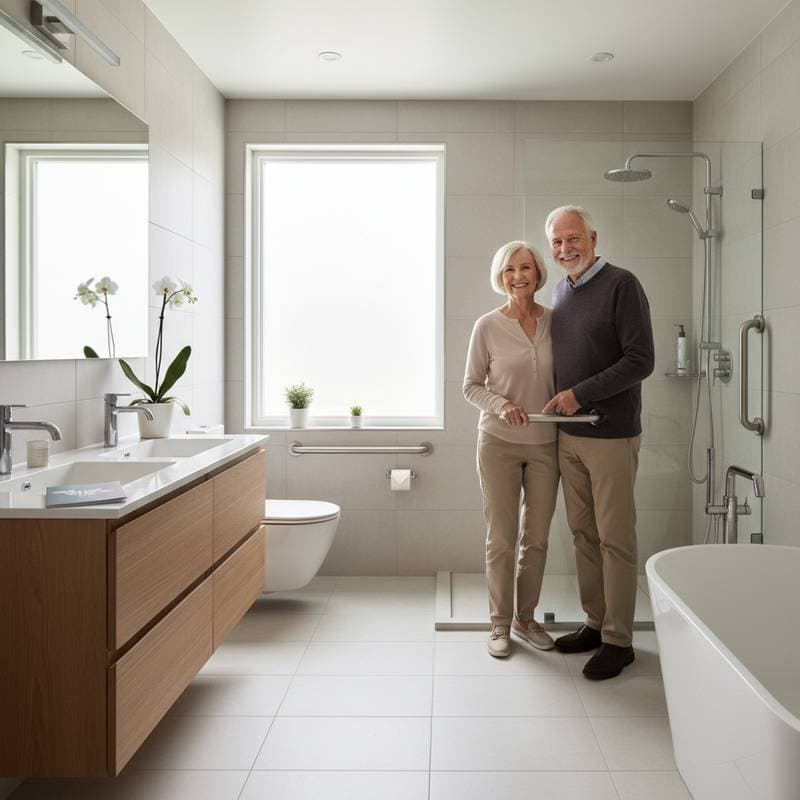
- A horizontal bar adjacent to the shower entry, positioned 33 to 36 inches above the floor.
- A vertical bar beside the shower door to assist with entering and exiting.
- An angled bar on the rear wall to offer support during standing transitions.
For bathtubs, install one vertical bar for access and one horizontal bar internally for balance. Space constraints benefit from fold-down models that conserve room when unused.
Prioritize permanent, anchored installations over temporary alternatives. Suction-cup varieties suit travel or short-term needs but fail under sustained weight. Medicare-eligible setups demand fastening into structural elements or approved supports to ensure durability.
Steps to Utilize Medicare Benefits for Installation
The application process for Medicare benefits demands organization, yet follows a clear sequence.
- Reach out to your plan administrator to confirm coverage for grab bars under your Medicare Advantage policy.
- Obtain detailed written instructions, including requirements for medical justification or physician endorsements.
- Arrange for an assessment by an occupational therapist or safety expert, if offered by the plan, to evaluate your space and suggest optimal locations.
- Collect bids from qualified, licensed installers who comply with plan standards.
- Compile and submit all supporting materials, such as invoices, photographs of the work, and provider communications; retain duplicates for your records.
Plans without direct coverage may include flexible allowances for wellness or home upgrades applicable to accessibility needs. These allocations renew yearly, so initiate actions promptly within the benefit period.
Evaluating the Long-Term Value of Grab Bars
The benefits of grab bars extend beyond initial costs to encompass health and lifestyle advantages. A bathroom fall can incur substantial medical bills and extended recovery periods. Basic installations, typically involving two or three bars, represent a minimal fraction of potential expenses.
In real estate contexts, accessible features accelerate sales in senior-friendly areas. Agents emphasize universal design elements, particularly when integrated aesthetically with finishes like brushed nickel or matte black that blend seamlessly.
For those remaining in their homes, daily advantages include reduced fall risks, lessened reliance on assistance, and upheld personal autonomy. Maintenance involves simple annual inspections of anchors and routine cleaning to preserve functionality.
Ensuring Longevity Through Proper Maintenance
Sustained safety depends on regular upkeep of installed grab bars. Inspect mounting hardware yearly for looseness or corrosion, tightening as needed. Clean surfaces with mild soap and water to remove buildup without damaging finishes.
Monitor surrounding areas for water damage or mold, addressing issues promptly to protect structural integrity. If mobility changes occur, reassess placements with a professional to adapt configurations. These practices extend the lifespan of the investment and maintain compliance with safety standards.
Securing Benefits for Enhanced Home Safety
Taking proactive steps toward bathroom modifications unlocks greater independence and security. Review your Medicare Advantage plan today to identify available supports for grab bars. Consult professionals for tailored installations that align with your needs and coverage options. These enhancements not only safeguard against accidents but also enrich quality of life for years ahead.