What $50K Actually Buys in a 2025 Kitchen Remodel
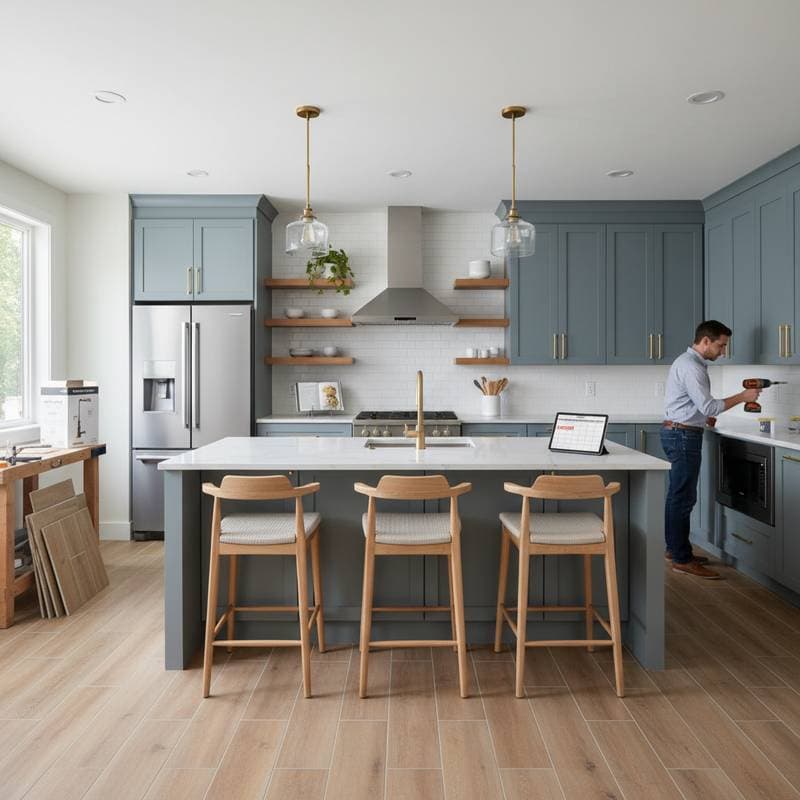
In 2025, a $50,000 kitchen remodel represents a balanced investment in functionality and style. Homeowners face rising material costs and labor rates, yet this budget allows for meaningful updates that enhance daily life and boost property value. Careful allocation ensures a space that serves as both a practical workspace and a welcoming gathering area.
This guide breaks down typical expenses, outlines achievable features, and provides strategies to optimize every dollar. By focusing on durable selections and efficient processes, individuals can avoid common pitfalls and realize a return on investment through improved usability and market appeal.
Navigating 2025 Cost Factors
Economic shifts influence kitchen renovation expenses significantly. Labor accounts for approximately 40 percent of the total, with skilled tradespeople commanding higher fees due to demand and supply chain challenges. Material prices, particularly for wood products and appliances, have increased by 10 to 15 percent compared to previous years.
Regional variations play a key role. Urban areas like New York or San Francisco often see costs 20 percent above national averages, while Midwest locations offer more affordability. Homeowners should factor in permits, which range from $500 to $2,000, and unexpected structural adjustments that can add 5 to 10 percent to the budget.
Inflation affects specific categories unevenly. Stainless steel appliances hold steady, but quartz countertops and semi-custom cabinetry experience moderate upticks. Planning around these elements prevents budget overruns and maintains project momentum.
Breakdown of a $50K Remodel
A well-planned $50,000 remodel prioritizes essential updates over extravagance. The following allocation provides a realistic snapshot based on national averages, adjustable for local conditions.
-
Cabinets (25-30% or $12,500-$15,000): Opt for semi-custom options in shaker-style designs using maple or plywood construction. These offer ample storage with soft-close drawers and pull-out organizers, avoiding the premium of fully custom builds.
-
Countertops and Backsplash (10-15% or $5,000-$7,500): Select quartz or granite surfaces for durability and low maintenance. A simple subway tile backsplash adds visual interest without excessive cost, covering 20 to 30 square feet effectively.
-
Appliances (15-20% or $7,500-$10,000): Energy-efficient models from mid-tier brands like Whirlpool or GE fit the budget. Include a gas or electric range, French-door refrigerator, and over-the-range microwave, emphasizing features like convection cooking and smart connectivity.
-
Flooring and Lighting (10% or $5,000): Luxury vinyl plank flooring mimics hardwood at a fraction of the price, ideal for high-traffic areas. Recessed LED lighting and under-cabinet strips improve illumination and energy savings.
-
Labor and Installation (30-35% or $15,000-$17,500): Covers demolition, electrical, and plumbing work. This includes rewiring for outlets and installing a new sink with a pull-down faucet.
-
Contingency and Finishes (5-10% or $2,500-$5,000): Reserves for paint, hardware, and minor surprises like subfloor repairs.
This distribution yields a cohesive update, transforming a dated layout into a streamlined environment. Homeowners gain 20 to 30 percent more counter space and improved workflow through an island or peninsula addition, if space permits.
Essential Features for Everyday Use
Within this budget, focus on elements that deliver practical benefits. Open shelving paired with upper cabinets maximizes vertical space, while a deep farmhouse sink facilitates meal prep and cleanup. Integrated recycling stations and pull-out pantry units address modern organizational needs.
Aesthetic choices matter for longevity. Neutral palettes in grays or whites create a timeless base, allowing accents like matte black hardware to add contemporary flair. Avoid trendy patterns that may date quickly, ensuring the design appeals to future buyers.
Sustainability features enhance appeal. Low-flow faucets and ENERGY STAR-rated appliances reduce utility bills by up to 20 percent annually. These selections align with growing buyer preferences for eco-friendly homes.
Actionable Planning Strategies
Success hinges on preparation. Begin by assessing current needs through a detailed walkthrough, noting pain points like insufficient lighting or cramped storage. Consult design software or professionals to visualize changes without upfront fees.
-
Establish a Detailed Budget: Track expenses in a spreadsheet, allocating funds across categories and building in a 10 percent buffer for surprises.
-
Research Design Trends: Review resources for 2025 influences like integrated tech and multifunctional islands, selecting elements that suit personal routines.
-
Source Reliable Professionals: Interview at least three contractors, verifying licenses and past projects. Secure written estimates that specify timelines and materials.
-
Hire Early: Reputable contractors fill schedules months in advance. Finalize contracts only after confirming insurance coverage and client references.
-
Order Materials in Advance: Procure cabinets, countertops, and appliances prior to demolition to sidestep delays from supply shortages.
-
Incorporate DIY Where Feasible: Handle painting or simple demolition to save 5 to 10 percent, but leave skilled tasks to experts for safety and quality.
-
Monitor Progress Closely: Schedule weekly check-ins to address issues promptly, maintaining the six- to eight-week timeline.
These steps minimize disruptions and control costs. Early decisions on finishes prevent rushed, expensive choices later.
Realizing Lasting Returns
A $50,000 kitchen remodel in 2025 not only revitalizes daily living but also strengthens financial position. Updated kitchens can increase home value by 50 to 70 percent of the investment, according to market analyses. Enhanced efficiency reduces energy consumption, while durable materials withstand years of use.
Homeowners enjoy a space tailored to their lifestyle, from hosting gatherings to streamlined cooking. Strategic choices ensure the remodel remains relevant amid evolving trends, providing satisfaction and equity for the long term.
By approaching the project with discipline and foresight, individuals secure a high-performing kitchen that delivers immediate comfort and future advantages.