Save Money with 2025 DIY Asbestos Testing Kits
Homeowners planning renovations or repairs in older homes often encounter a significant concern: hidden asbestos. Builders once used asbestos extensively in materials for insulation and fire resistance, and traces remain in flooring, ceiling tiles, insulation, and siding. Disturbing these materials without prior testing releases dangerous fibers into the air. Professional asbestos testing provides reliability, yet the expense deters many. Fortunately, 2025 DIY asbestos testing kits enable safe and affordable verification before projects commence.
Key Facts
Average Cost: $35 to $80 per kit
Lab Analysis Fee: Often included; otherwise, $20 to $40 separately
Testing Time: 3 to 5 days after mailing the sample
Lifespan of Results: Permanent record for the tested sample
Difficulty Level: Moderate, requiring adherence to safety precautions
Why Test for Asbestos Before Renovating
Homes constructed before modern building codes limited asbestos use warrant testing as a standard renovation step. Even minor tasks, such as removing outdated floor tiles or scraping textured ceilings, risk disturbing asbestos fibers. Initial testing safeguards family health and averts expensive remediation down the line.
Professional inspections typically range from $250 to $700 per visit. In contrast, a DIY kit allows sample collection at home, followed by submission to a certified laboratory, all for considerably less. Numerous homeowners employ these kits as an initial measure prior to engaging contractors.
How DIY Asbestos Testing Kits Work
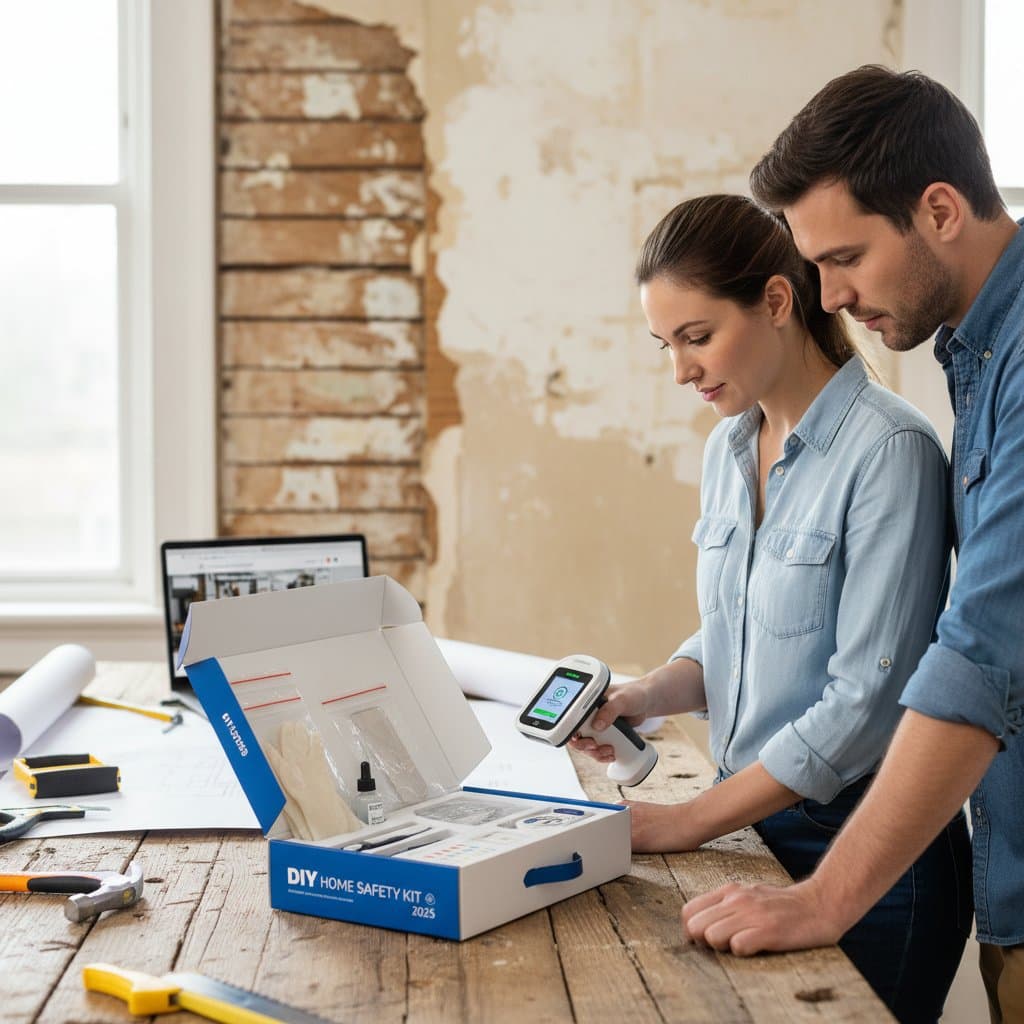
Standard kits supply safety guidelines, collection instruments, sample containers, and a prepaid mailing label for laboratory submission. The procedure remains straightforward when executed with precision:
- Select the sample area. Target potential asbestos sources, including aged linoleum, ceiling textures, or pipe insulation.
- Prepare the space. Disable ventilation systems, don protective equipment, and apply a light water mist to suppress dust.
- Collect a small sample. Employ the kit's tools to extract a fragment no larger than a quarter.
- Seal and label. Enclose the sample in the designated bag, secure the seal, and attach a label noting the precise location.
- Send to the lab. Utilize the provided envelope or mailer. Expect results via email within several days.
Laboratory reports detail asbestos presence and concentration levels. Share these findings with contractors to inform demolition or remodeling decisions.
Cost Breakdown
| Type of Kit | Includes Lab Fee | Typical Cost Range |
|---|---|---|
| Basic DIY Kit | No | $35–$50 |
| Standard Kit | Yes | $60–$80 |
| Multi-Sample Kit | Yes | $90–$120 |
Standard kits that incorporate lab analysis deliver optimal value. For multiple testing sites, opt for a multi-sample kit. Steer clear of inexpensive options without certified laboratory involvement, as only accredited facilities produce results acceptable to contractors and inspectors.
Factors That Affect Cost and Accuracy
Various elements determine expenses and result reliability:
- Number of samples: Additional samples incur modest fees yet enhance overall assurance.
- Shipping time: Expedited delivery accelerates outcomes at a premium.
- Lab accreditation: Verify certification against established standards.
- Material type: Friable substances, prone to crumbling, demand heightened caution or expert intervention.
- Home age and location: Structures from earlier eras or in industrial zones exhibit higher asbestos prevalence.
DIY vs Professional Testing
DIY Kits:
- Offer reduced costs and convenience for preliminary assessments
- Remain safe with strict instruction adherence and protective attire
- Suit homeowners undertaking minor updates or self-inspections
Professional Testing:
- Provides superior precision for intricate or expansive sites
- Meets regulatory mandates for certified evaluations
- Encompasses air quality monitoring and comprehensive safety protocols
For sizable, inaccessible, or extensive renovation areas, invest in a licensed asbestos inspector.
Ways to Save on Testing
- Purchase kits online in bundles. Suppliers frequently discount bulk orders.
- Combine asbestos and lead testing. Integrated kits assess both risks simultaneously, minimizing lab charges.
- Apply rebates or coupons. Home improvement retailers extend periodic promotions.
- Schedule testing prior to demolition. Early detection circumvents remediation expenses and project interruptions.
Safety Tips for DIY Testing
- Wear disposable gloves, a respirator, and protective clothing at all times.
- Exclude others from the sampling vicinity.
- Refrain from power tools that generate dust.
- Follow kit directives for disposing of materials.
- Abstain from testing if materials appear damaged or friable; summon a certified professional immediately.
Next Steps After Testing
Upon positive lab confirmation of asbestos, halt all renovation activities and engage an abatement specialist. These experts encapsulate or remove the material to eliminate exposure risks. Negative results permit confident progression with the project.
DIY asbestos testing kits conserve funds and expedite processes, provided safety remains paramount. Verify materials before cutting, sanding, or drilling to shield your household and comply with regulations. This proactive approach facilitates secure, budget-conscious home enhancements through accessible early detection.