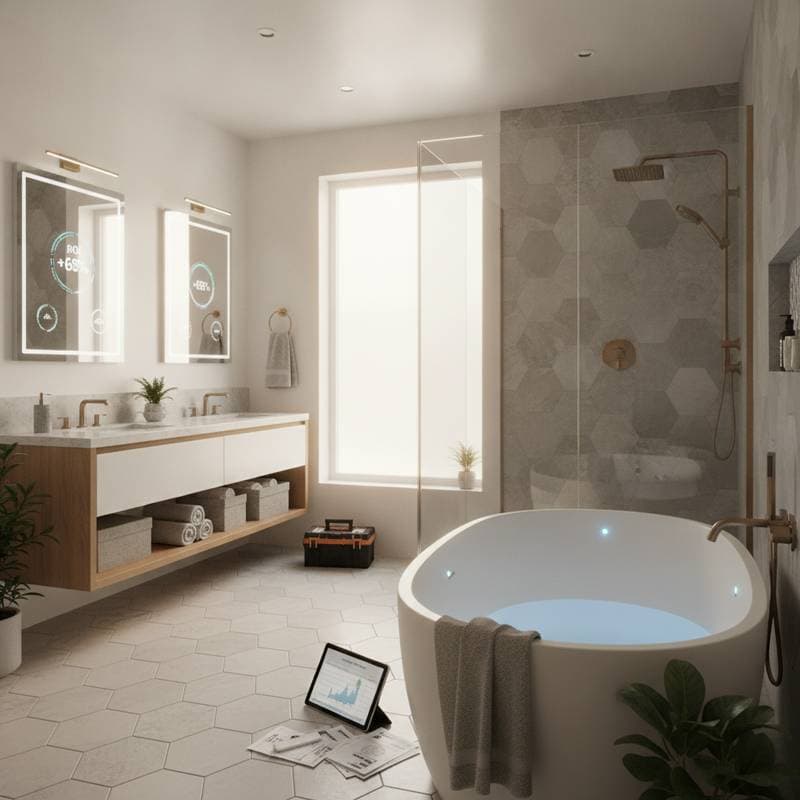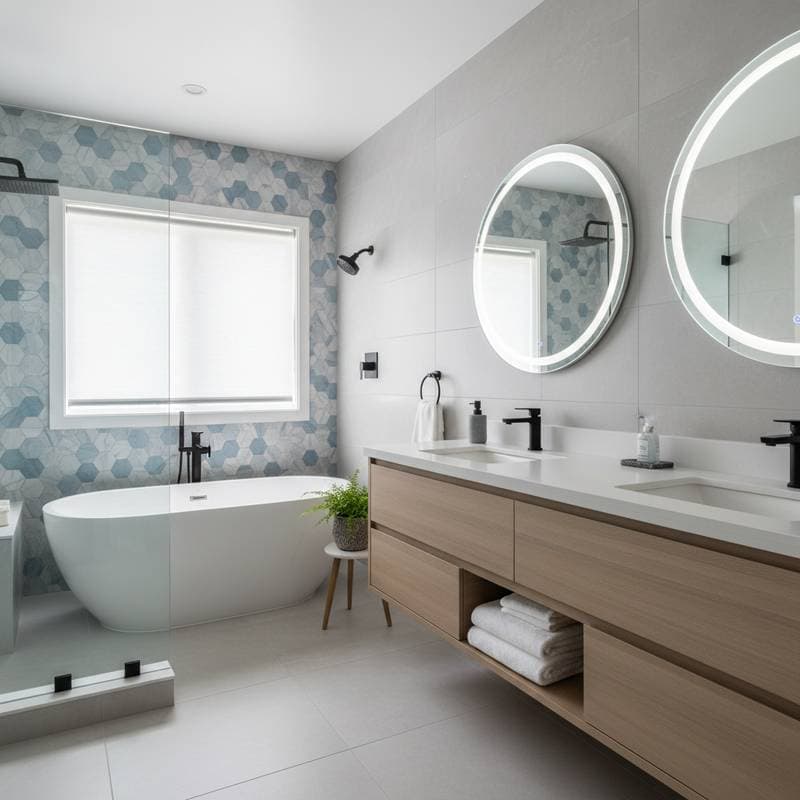
Bathroom Remodels Deliver Strong ROI and Accelerate Sales
Homeowners often overlook the bathroom's role in overall property appeal. Yet, prospective buyers scrutinize these spaces closely for signs of maintenance and style. An outdated bathroom, with its faded grout or inefficient fixtures, can deter offers and lower perceived value. Fortunately, a strategic remodel addresses these issues and stands out as one of the most effective upgrades for resale success.
Remodeling transforms a basic necessity into a luxurious retreat, signaling quality throughout the home. National data from remodeling authorities indicates that mid-range projects recover 60% to 70% of expenses upon sale. In hot real estate markets, this investment not only justifies a higher asking price but also positions the property to move quickly, sometimes within days of listing.
Beyond immediate sales benefits, updates enhance everyday usability. New fixtures reduce water usage, while better ventilation prevents mold growth. These improvements safeguard your investment long-term, ensuring the home remains desirable whether you sell soon or stay for years.
The Impact of Bathroom Updates on Buyer Perceptions
First impressions shape buyer decisions from the moment they step inside. A sleek, contemporary bathroom invites visions of relaxed mornings and spa-like evenings. Conversely, dated elements like avocado-green tiles or cramped layouts evoke maintenance headaches and high replacement costs.
Modern designs prioritize functionality alongside aesthetics. Features such as rainfall showerheads and ample storage make the space feel spacious and efficient. Surveys show that 80% of buyers rank updated bathrooms among their top priorities, often influencing bids directly.
Investing in these changes pays dividends. Properties with renovated bathrooms receive 20% more showings on average. This heightened interest translates to competitive offers and reduced time on the market, allowing sellers to negotiate from strength.
Factors Influencing Bathroom Remodel Expenses
Budgeting requires understanding key cost drivers to avoid surprises. Material choices, labor, and scope all contribute to the final figure, which typically ranges from $10,000 to $25,000 for a standard full remodel.
Plumbing adjustments represent a major variable. Relocating a sink or toilet involves rerouting pipes, adding $500 to $1,500 per element due to specialized tools and potential wall modifications.
Flooring and wall treatments vary widely in price. Basic ceramic tiles install at $2 to $5 per square foot, including labor, while premium options like marble or glass mosaics climb to $10 to $20. Countertops follow suit, with laminate at $20 to $40 per square foot versus quartz at $50 to $100.
Fixtures and hardware round out essentials. Standard vanities and toilets cost $200 to $500 each, but high-efficiency models with touchless features push prices to $800 or more. Lighting upgrades, including recessed cans or vanity strips, add $100 to $300 while improving ambiance and safety.
Regulatory requirements cannot be ignored. Permits for structural changes or electrical work cost $150 to $500, varying by locality. Professional labor, essential for compliance and quality, runs $75 to $150 hourly for skilled tradespeople.
To optimize spending, prioritize structural necessities over decorative flourishes. Consult with a designer early to visualize options and estimate totals accurately.
Proven Strategies to Control Remodeling Costs
Achieving a high ROI starts with fiscal discipline. Focus on high-impact changes that align with buyer expectations without unnecessary extravagance.
Preserve the existing footprint whenever possible. Avoiding plumbing shifts saves $2,000 to $4,000, as contractors bypass invasive demolition and reconfiguration.
Time purchases strategically. Off-peak seasons, such as late fall or winter, see reduced contractor rates by 10% to 20% due to lighter schedules. Material suppliers also discount inventory during these periods.
Integrate multiple upgrades for efficiency. Pairing a bathroom project with kitchen work allows shared labor and bulk material buys, potentially cutting overall costs by 15%.
Opt for ready-made elements. Stock vanities and medicine cabinets cost 30% less than bespoke designs, yet offer comparable durability and style through major retailers.
Consider restoration techniques. Refinishing a bathtub via professional glazing restores shine for $400 to $600, far below the $2,500 to $4,000 for complete replacement. Similar approaches apply to cabinets and tiles, extending life without full overhauls.
Secure multiple bids to benchmark value. Request itemized quotes from at least three licensed professionals, emphasizing clear scopes, material specs, and post-project warranties. This process uncovers efficiencies and ensures accountability.
Emerging Design Trends for Maximum Appeal
Buyer tastes evolve, so align your remodel with current preferences to future-proof the space. Open-concept layouts with separate wet and dry zones promote a sense of luxury without sacrificing utility.
Walk-in showers dominate over traditional tubs. Frameless enclosures and linear drains create seamless, accessible designs that appeal to aging-in-place needs. Pair these with heated floors for year-round comfort, adding perceived value at a modest $1,000 to $2,000 premium.
Neutral palettes grounded in whites, grays, and earth tones provide versatility. Accent with matte black fixtures or wood accents for warmth. Smart tech, like motion-sensor lights or app-controlled ventilation, integrates effortlessly and impresses tech-savvy buyers.
Durability matters for longevity. Select porcelain or ceramic tiles rated for high traffic, paired with solid-surface counters that resist stains and scratches. These choices maintain freshness over 20 years, minimizing future upkeep.
Calculating and Maximizing Your Return on Investment
ROI hinges on strategic selections that balance cost and appeal. Mid-range remodels averaging $15,000 to $20,000 yield the strongest recoupment, often 65% to 75% in suburban markets.
Water-efficient fixtures qualify for rebates, offsetting 5% to 10% of expenses through utility programs. Energy-saving elements, such as LED lighting, further enhance sustainability credentials that attract eco-conscious purchasers.
Track regional trends for precision. In urban areas, minimalist designs command premiums, while rural buyers favor classic warmth. Professional appraisals post-remodel confirm value added, typically $10,000 to $15,000 for comprehensive updates.
The true payoff extends beyond numbers. Enhanced hygiene, reduced energy bills, and personalized comfort elevate quality of life immediately. When selling, these features justify premium pricing and expedite closings.
Steps to Initiate Your Bathroom Transformation
Embark on your project with a structured approach. Establish a budget that allocates 50% to labor, 30% to materials, and 20% for contingencies.
Identify core needs, such as improved storage or better lighting, then explore inspirations through design software or showroom visits. Engage certified contractors via referrals, verifying credentials through state boards.
Finalize agreements in writing, detailing timelines, payment schedules, and change-order protocols. Expect a 4- to 8-week duration for most projects, with daily check-ins to monitor progress.
Upon completion, inspect thoroughly and document for warranties. This remodel not only revitalizes your home but positions it as a standout in the market, delivering lasting financial and lifestyle rewards.