Kitchen Islands Add 5 to 10 Percent to Sale Price in 2026
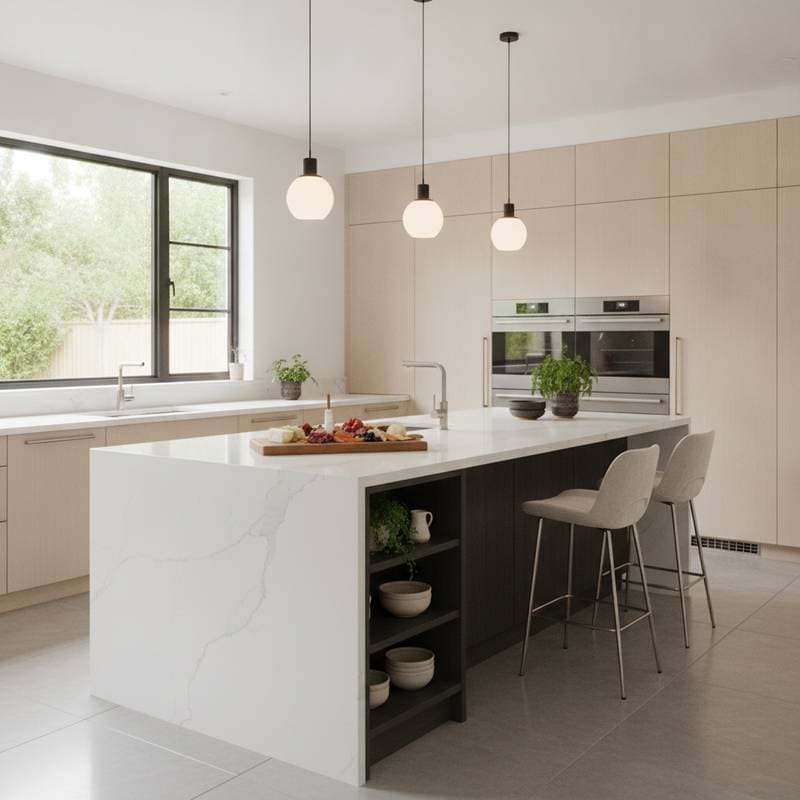
Kitchen islands continue to deliver measurable returns for homeowners who plan installations with resale in mind. In current market conditions, a well executed island can contribute between 5 and 10 percent to final sale price when size, materials, and layout align with buyer expectations.
Value Drivers in the Current Market
Buyers consistently rank kitchen functionality among their top priorities. An island that provides extra workspace, seating, and storage meets several of those priorities at once. Properties that feature such additions often close faster than comparable homes without them.
Market data from 2026 shows that islands sized between 4 and 7 feet in length produce the strongest price response. Smaller islands tend to feel cramped, while oversized units can crowd traffic flow and reduce perceived square footage.
Installation Cost Ranges
Basic islands built with stock cabinets and laminate surfaces typically cost between 3500 and 6500 dollars. Mid range options that incorporate solid surface countertops, custom cabinetry, and integrated outlets fall between 8000 and 14000 dollars. High end builds that include stone slabs, built in appliances, and plumbing for a sink range from 16000 to 28000 dollars.
Material selection influences both upfront cost and long term durability. Quartz and granite surfaces command higher prices yet retain visual appeal longer than laminate. Solid wood cabinetry offers a premium appearance but requires more maintenance than painted medium density fiberboard.
Return on Investment Expectations
Industry analyses place kitchen island ROI between 55 and 80 percent when the project stays within regional price norms. Homes in the 300000 to 500000 dollar range see the highest percentage returns because buyers in that segment actively seek added workspace.
Spending beyond neighborhood standards rarely produces proportional gains. An island that costs 25000 dollars in a market where average kitchen upgrades total 12000 dollars will likely recover only a portion of the extra investment.
Layout and Sizing Guidelines
- Maintain at least 36 inches of clearance on all sides for comfortable movement.
- Position the island so it does not block primary pathways between sink, range, and refrigerator.
- Include seating on one side only to preserve workspace on the remaining three sides.
- Incorporate electrical outlets on the vertical faces for small appliances.
These measurements help the island function as an extension of the work triangle rather than an obstacle.
Material and Feature Recommendations
Select countertops that match or complement existing surfaces to maintain visual continuity. Under cabinet lighting improves safety and highlights the island during evening showings. Open shelving on the ends can display cookbooks or decorative items without adding visual weight.
Avoid placing the island directly beneath a pendant light cluster unless the ceiling height exceeds 9 feet. Proper lighting prevents shadows that make the space feel smaller during buyer tours.
Installation Timing Considerations
Schedule construction during periods when comparable homes in the area are actively listed. Completion two to three months before listing allows time for minor adjustments and professional photography. Projects finished immediately before sale can appear rushed and may raise questions about quality.
Planning Your Kitchen Island Project
Review local sale prices of homes with similar islands before finalizing design choices. Consult a contractor early to confirm structural requirements such as floor support for heavy stone tops. These steps help ensure the finished island contributes measurable value at the time of sale.