HVAC Zoning Reduces Energy Costs by Up to 40 Percent
A single thermostat for an entire home often leads to unnecessary heating or cooling of empty rooms. HVAC zoning divides the house into separate areas. Each area operates under its own thermostat and uses automated dampers to direct airflow. This approach delivers targeted comfort while cutting energy use.
How Zoned Systems Operate
Technology Type: Zoned HVAC Control System
Efficiency Rating: Variable by primary system (SEER 16-20 or AFUE 90-98 percent)
Climate Zones: Ideal for DOE Zones 2-6
Average Capacity: 12,000 to 60,000 BTU per zone
Typical Lifespan: 15 to 20 years with proper maintenance
Installation Complexity: Moderate to complex
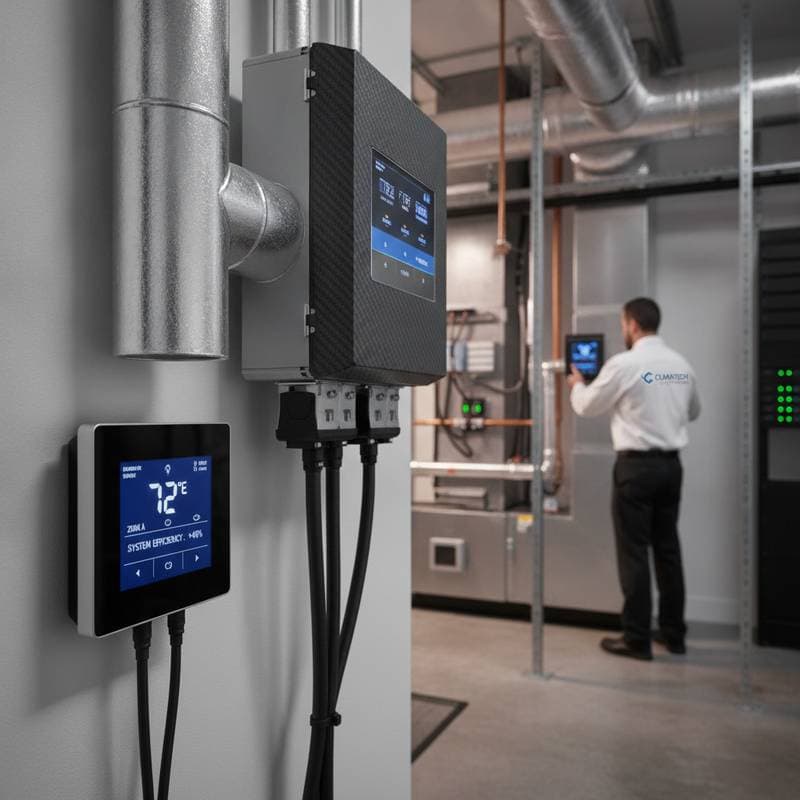
Zoned systems place motorized dampers inside the ductwork. These dampers open and close based on signals from individual room thermostats. A central control panel balances airflow so the furnace or air conditioner never operates under unsafe pressure.
Performance Across Climate Regions
Climate conditions shape the size of savings. Mild areas gain comfort improvements from fewer on-off cycles. Colder regions save fuel by heating only occupied spaces during extended winter periods.
- Humid, warm regions (DOE Zones 1-3) pair zoning with variable-speed heat pumps to hold steady temperatures without excess dehumidification.
- Mixed and cold regions (DOE Zones 4-6) focus heat on bedrooms or basements that need different settings, lowering furnace runtime.
- Dry, hot regions (DOE Zones 7-8) avoid cooling unoccupied wings, which shortens compressor operation and extends equipment life.
Properly designed zoning reduces annual HVAC runtime between 25 and 40 percent, depending on local weather and daily occupancy patterns.
Retrofitting an Existing Home
Existing duct layouts must be examined before dampers are added. Installers cut access panels, insert the dampers, and seal all joints to stop air leaks. Control panels such as the Aprilaire 6504 or Honeywell HZ432 link each thermostat to the main equipment.
Older single-stage furnaces may need replacement with variable-speed models to prevent short cycling. Hydronic systems use zone valves instead of dampers. Ductless setups rely on separate indoor heads for each area. Integration with Google Home or Amazon Alexa allows remote scheduling from a phone.
Code and Safety Requirements
Local mechanical codes require minimum airflow through every zone to protect coils and heat exchangers. Installers measure static pressure after damper placement to confirm safe operation. Many jurisdictions also mandate a bypass damper that opens automatically if pressure rises too high.
Licensed contractors must handle low-voltage wiring and programming in most areas. Permit applications often include duct design drawings that list calculated airflow for each zone.
Grid-Connected Controls and Future Savings
New zoning platforms connect to utility demand-response programs. Smart thermostats can raise or lower setpoints slightly during peak hours, lowering monthly bills. Inverter-driven heat pumps and variable-refrigerant-flow systems gain extra efficiency because each indoor unit responds only to its assigned zone.
Energy models show that zoning combined with smart thermostats can cut total household HVAC energy use by as much as 40 percent compared with single-zone operation.
Steps Before Scheduling Installation
Homeowners should obtain a room-by-room load calculation before signing a contract. This calculation confirms that each zone receives correctly sized equipment. Contractors should demonstrate experience with airflow testing tools and multi-stage equipment.
Key decision factors include home layout, current system type, local climate swings, and preference for app-based controls. Multi-story homes with varied occupancy schedules realize the largest reductions in energy costs.