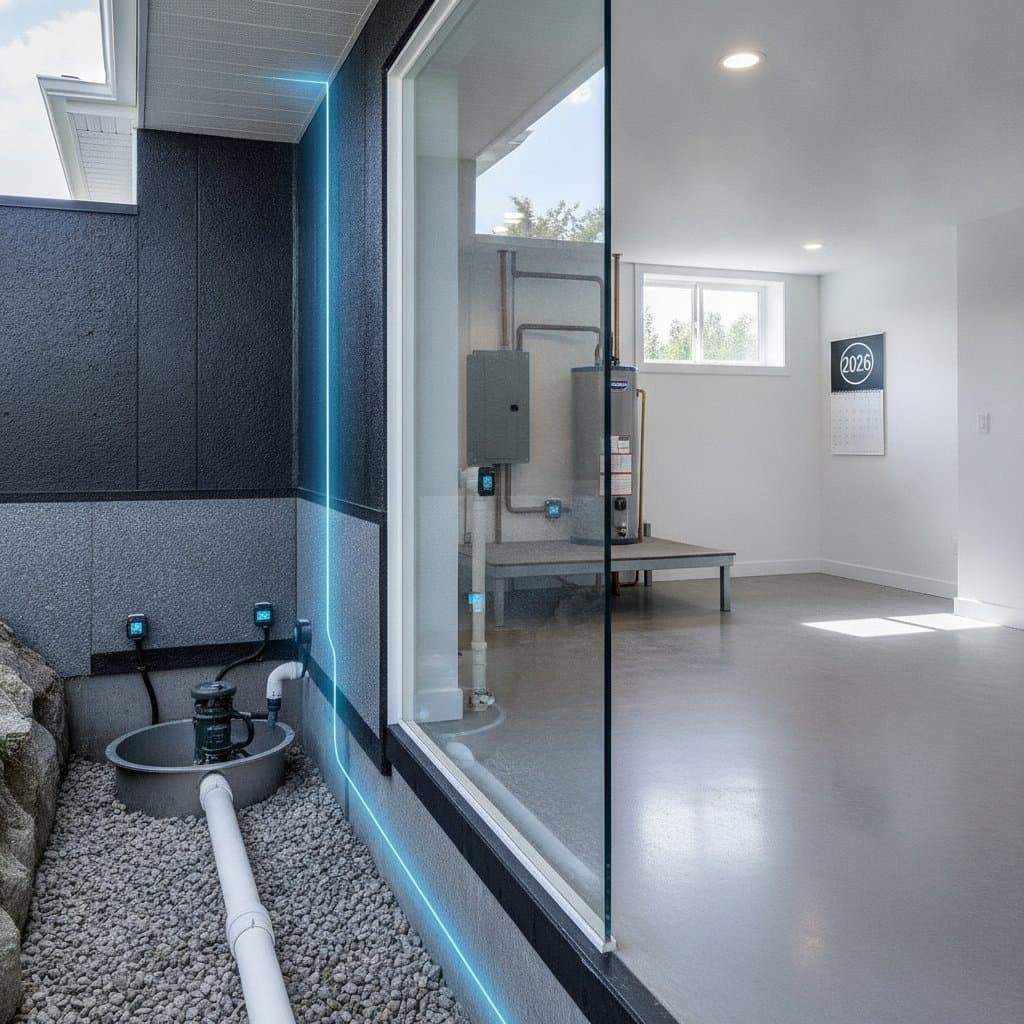
How Homeowners Tap Home Equity for Cost-Effective Renovations in 2026
Lower refinance rates in 2026 present homeowners with a prime opportunity to access equity for home improvements. Many property owners build substantial equity over time through mortgage payments and rising market values. This financial resource enables funding for renovations that enhance daily living and increase resale potential.
Cash-out refinances stand out as a popular method to unlock this equity. Borrowers replace their existing mortgage with a larger loan, receiving the difference in cash. These options often come with competitive rates, consolidating renovation costs into one manageable payment.
Understanding Home Equity and Its Value
Home equity represents the portion of a property's current market value that owners truly own. Calculate it by subtracting the remaining mortgage balance from the appraised value. For instance, a home valued at $400,000 with a $250,000 mortgage leaves $150,000 in equity.
This asset grows as property values appreciate, particularly in stable markets. Homeowners who purchased years ago may find their equity has doubled or more. Such growth provides a buffer against economic shifts and a source for major projects.
Renovations funded by equity often yield high returns. Kitchen updates, bathroom refreshes, and outdoor enhancements appeal to future buyers. These improvements not only boost comfort but also elevate the home's market position.
The Mechanics of Cash-Out Refinances
A cash-out refinance involves refinancing the mortgage for more than the current balance. Lenders disburse the excess as cash, which owners apply toward renovations. Qualification depends on credit score, income stability, and sufficient equity, typically at least 20 percent.
Rates in 2026 hover lower than recent years, making this approach attractive. Fixed-rate options provide predictability over 15 or 30 years. Borrowers consolidate debts or fund projects without high-interest alternatives like personal loans.
Compare this to home equity loans or lines of credit. Cash-out refinances replace the primary mortgage, potentially simplifying finances. However, they extend the loan term, so owners weigh long-term costs carefully.
Selecting Renovations That Deliver Results
Focus on upgrades with proven value appreciation. Kitchens rank highest, where modern appliances and quartz countertops can recoup 60 to 80 percent of costs. Bathrooms follow, with features like walk-in showers adding luxury and functionality.
Outdoor spaces transform usability. Decks, patios, and landscaping create inviting areas for relaxation. Energy-efficient windows and insulation reduce utility bills while appealing to eco-conscious buyers.
Prioritize personal needs alongside market trends. A growing family might add a home office or extra bedroom. These tailored changes ensure the home serves current lifestyles effectively.
Steps to Access Equity Securely
- Assess current equity through a professional appraisal or online estimator tools.
- Review credit reports and improve scores if necessary to secure favorable rates.
- Shop multiple lenders for refinance quotes, comparing fees and terms.
- Consult a financial advisor to model the impact on monthly payments and total interest.
- Obtain contractor bids for planned renovations to align borrowing amounts accurately.
- Close the refinance and direct funds toward approved projects promptly.
These steps minimize risks and ensure funds serve intended purposes. Timing aligns with lower 2026 rates, often in the first half of the year when market activity peaks.
Budgeting for Renovations and Long-Term Gains
Create a detailed budget that covers materials, labor, and unexpected expenses. Allocate 10 to 20 percent extra for contingencies like permit delays. Track spending with simple spreadsheets or apps to stay within limits.
Consider the return on investment for each project. Minor updates like painting and lighting offer quick wins with low costs. Larger endeavors, such as full remodels, require phased planning to manage cash flow.
Equity access through refinances aids budgeting by providing lump-sum funds. Owners avoid piecemeal financing that accumulates interest. This strategy supports comprehensive upgrades without straining savings.
Timing Your Renovations with Market Rates
Monitor Federal Reserve announcements for rate trends. Lower rates reduce borrowing costs, amplifying renovation affordability. In 2026, projections indicate stability around 5 to 6 percent for 30-year fixed mortgages.
Seasonal factors influence timing. Spring and summer suit outdoor work, while winter favors interior tasks. Coordinate with refinance processing, which takes 30 to 45 days, to align funds with project starts.
Local market conditions matter. In appreciating areas, renovations capture value increases sooner. Owners in slower markets focus on essential fixes to maintain property appeal.
Enhancing Comfort and Value Through Smart Choices
Renovations extend beyond aesthetics to improve quality of life. Smart home integrations, like automated lighting and thermostats, add convenience and efficiency. These features appeal to tech-savvy buyers and lower ongoing expenses.
Sustainable materials gain popularity. Recycled countertops and low-flow fixtures reduce environmental impact. Such choices align with broader trends, positioning the home as forward-thinking.
Ultimately, tapping equity empowers owners to customize their spaces meaningfully. Lower rates in 2026 facilitate this process, blending financial prudence with personal fulfillment. Homeowners who plan thoughtfully reap rewards in comfort, equity growth, and market readiness.