Key Takeaways
- CAPS accreditation identifies qualified aging-in-place professionals who understand both design and accessibility.
- Vetting a contractor's credentials and approach helps ensure safe, stylish, and lasting home modifications.
- Current trends emphasize adaptable design that supports mobility and comfort without sacrificing aesthetics.
Which Home Projects Benefit Most from a CAPS Professional?
Any renovation involving safety, accessibility, or mobility adjustments benefits from CAPS expertise. This includes bathrooms, kitchens, entries, and outdoor spaces.
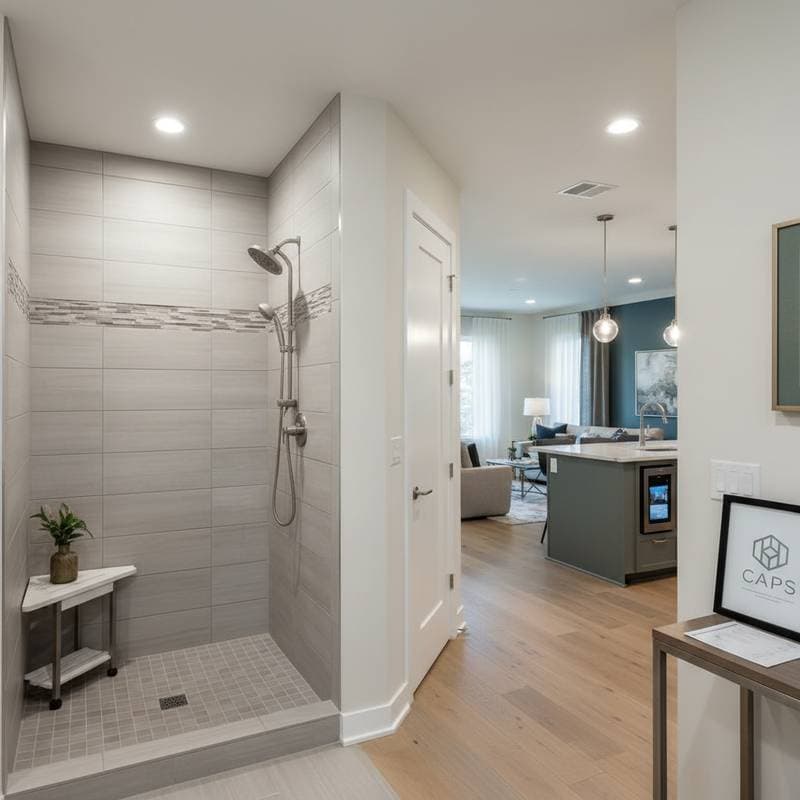
Aging in place extends beyond basic grab bars or ramps. Professionals incorporate subtle modifications that integrate seamlessly into existing designs. For instance, zero-threshold showers with linear drains provide a sleek appearance while eliminating tripping risks. Wider doorways, lever-style handles, and adjustable-height counters deliver functional updates that enhance both aesthetic appeal and long-term convenience.
Common Project Examples
- Bathroom Upgrades
- Install curbless showers, non-slip flooring, and wall reinforcements prepared for future grab bar additions.
- Use floating vanities to facilitate wheelchair access while preserving a contemporary aesthetic.
- Kitchen Modifications
- Incorporate multi-level counters suitable for seated or standing preparation.
- Add pull-out shelving and easy-grip hardware to improve reach and reduce strain during daily tasks.
- Entry and Exterior Adjustments
- Integrate ramps thoughtfully with surrounding landscaping for a natural flow.
- Install motion-sensor lighting and widen walkways to enhance visibility and prevent accidents.
These enhancements boost daily convenience without compromising style. CAPS professionals excel at balancing function and beauty, so accessibility features integrate smoothly rather than appearing institutional.
What Design Trends Are Shaping Aging-in-Place Homes?
The latest aging-in-place design trends blend aesthetics with adaptability to create inclusive environments.
Homeowners now prioritize seamless accessibility over obvious clinical elements in remodeling projects. Darker grout colors in bathrooms, for example, provide contrast for better depth perception while contributing to a sophisticated look. Low-glare finishes, matte fixtures, and natural wood tones gain traction for their ability to offer warmth alongside improved visibility.
Design Trends to Watch
- Integrated lighting systems that automatically adjust brightness based on time of day or user needs.
- Smart home controls for managing thermostats, curtains, and security systems through voice or touch interfaces.
- Flexible layouts that enable rooms to evolve with changing lifestyles, such as convertible spaces for home offices or guest areas.
- Contrasting color palettes that enhance visibility in key areas without creating a harsh or institutional feel.
These trends signal a shift toward inclusive living spaces. Homes designed to adapt to evolving needs increase in value and provide comfort for residents of all ages.
FAQ: Homeowners Ask
How long does CAPS certification remain valid?
It requires ongoing education to stay active. Certified professionals must complete continuing coursework, so always verify their current status through official channels.
Do CAPS contractors only work with seniors?
No. Many clients include younger homeowners planning for the future or families adapting for multi-generational households. The emphasis remains on flexibility and safety suitable for all ages.
Can I hire an interior designer with CAPS training?
Yes. Interior designers, architects, and builders often obtain CAPS certification to incorporate accessibility effectively into aesthetically focused projects.
Is a CAPS remodel covered by insurance?
Insurance typically does not cover cosmetic upgrades, though certain accessibility modifications may qualify for coverage under medical or mobility assistance programs based on local regulations.
Ensuring Adaptable Home Improvements
Verify credentials, pose targeted questions about experience, and prioritize adaptable features to build a home that balances practicality with personal style. Whether refreshing a bathroom today or preparing for broader accessibility tomorrow, partnering with a CAPS professional guarantees that each upgrade delivers lasting value, increased confidence, and greater peace of mind.