2026 Granny Pod Costs: Spot Contractor Red Flags
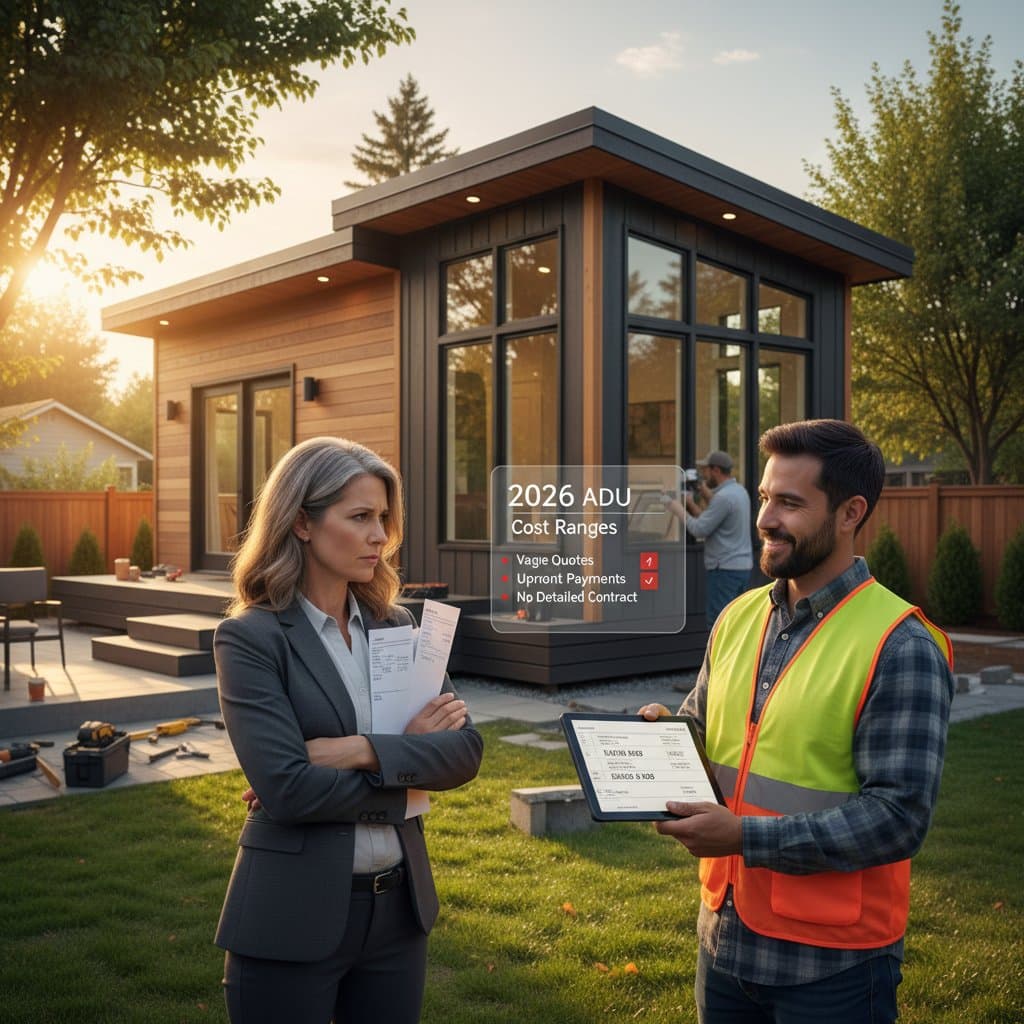
Sarah envisioned a serene backyard granny pod for her aging mother, a space that balanced privacy with family support. Instead, she encountered misleading estimates, escalating fees, and unreliable workmanship that drained thousands from her budget. For anyone considering this project, grasping true costs and identifying contractor pitfalls ensures a smoother path to success.
Key Project Overview
- Cost spectrum: Basic prefabricated units start at $50,000, while custom designs with premium features reach $150,000 or more, depending on location and specifications.
- Standard dimensions: Most units measure 250 to 600 square feet, accommodating one or two bedrooms.
- Primary expenses: Site preparation, foundation work, utility connections, permitting fees, interior finishes, and ADA-compliant modifications.
- Essential team members: A general contractor coordinates with plumbers, electricians, and prefab assemblers for integrated results.
Unseen Expenses in Early Planning
Homeowners often underestimate the complexities of adding a granny pod. Site grading prevents water damage, utility extensions require professional trenching, and local zoning laws demand compliance inspections. These elements can inflate budgets by 20 to 30 percent if not addressed upfront.
Request a breakdown of all projected costs from potential contractors. Legitimate bids detail labor hours, material sourcing, and contingency allowances. Vague assurances like bundled pricing signal potential oversights that lead to change orders later.
Elements of a Reliable Build Process
A well-managed project features milestone-based progress reports and pre-approved permits. Contractors document every decision, from material substitutions to timeline adjustments, keeping clients in the loop. This approach minimizes disputes and fosters trust.
Families who insist on weekly site visits and written approvals report higher satisfaction. In one case, clear protocols allowed a minor delay in electrical work without added charges. Poorly documented projects, however, often result in doubled expenses from rework.
Critical Contractor Warning Signs
Precision matters in granny pod construction, where compact layouts demand flawless utility integration. Watch for these indicators of trouble:
- Bids that undercut the market. Quotes 25 percent below average suggest skimped materials or inflated add-ons down the line.
- Absence of a formal agreement. Insist on a contract specifying scope, timelines, payment tiers, and dispute resolution.
- Demands for substantial advance payments. Limit deposits to 10 to 20 percent; full upfront sums invite abandonment risks.
- Evasiveness about credentials. Verify active licenses, bonding, and liability insurance through state databases before proceeding.
- Inconsistent responsiveness. Delays in pre-project replies predict on-site neglect and communication breakdowns.
- High-pressure closing techniques. Professionals allow time for review; rushed decisions hide unfavorable terms.
Practical Design and Budgeting Insights
Granny pods prioritize functionality alongside aesthetics. Opt for durable vinyl siding and energy-efficient windows to control long-term costs. Interior choices like vinyl plank flooring resist wear, while custom options such as solid-surface counters elevate usability.
Incorporate universal design from the outset: lever handles, non-slip surfaces, and zero-threshold showers enhance safety without excessive premiums. For illumination, combine recessed LEDs with task lighting over sinks and vanities to maximize perceived space.
Modular prefabricated options cut labor by up to 40 percent, arriving with pre-wired systems for quicker setup. Select installers certified in modular handling to avoid foundation shifts that compromise stability over time.
Broader Benefits for Family Dynamics
Beyond shelter, a thoughtfully built granny pod strengthens relationships. It provides caregivers with nearby support while preserving autonomy for seniors. Versatile layouts adapt to evolving needs, from full-time residency to occasional guest stays.
Pathways with gentle slopes and matching exterior materials ensure seamless yard integration. One family noted how shared outdoor seating areas sparked daily interactions, transforming isolation into meaningful closeness.
Sustaining Your Investment Long-Term
Post-construction care focuses on preventive measures. Inspect seals annually to guard against moisture intrusion, and test smoke detectors quarterly. Efficient HVAC zoning maintains comfort without straining the main home's systems.
Select contractors who emphasize quality over speed. With informed budgeting and vigilant oversight, your granny pod becomes a enduring asset for generations.