Granny Flat ROI: Rental Income vs Build Costs
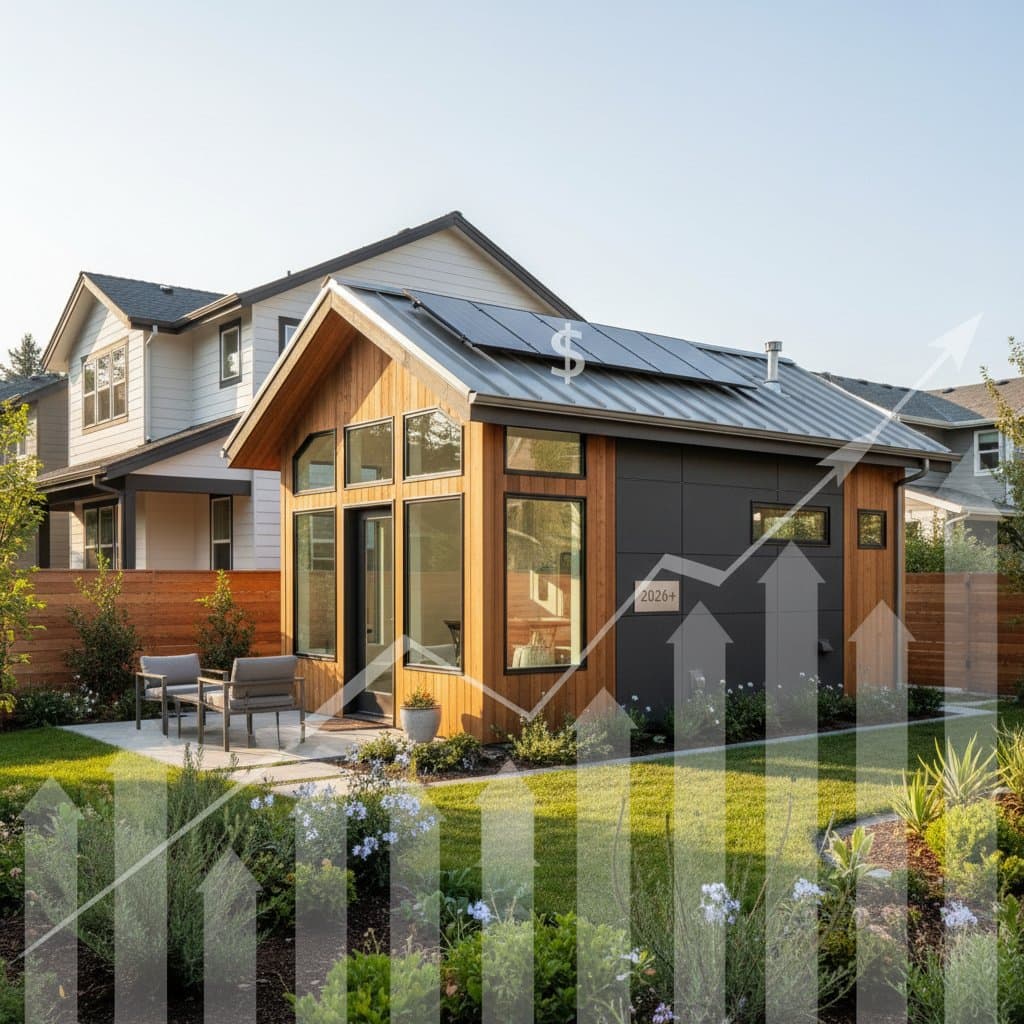
Homeowners often consider a granny flat, or accessory dwelling unit (ADU), as a pathway to passive income and enhanced property value. This addition requires careful evaluation of construction expenses, energy efficiency, and maintenance needs against potential rental earnings. True profitability emerges when these elements align to produce consistent returns over time.
This article explores the key factors influencing ADU economics. It provides practical insights into cost structures, design choices, and performance metrics. By focusing on these aspects, readers gain tools to assess whether a granny flat investment suits their financial goals.
Technical Overview: Understanding ADU Economics
A granny flat functions as a secondary living space on the same property as the primary residence. It features separate entrances, kitchens, bathrooms, and utility hookups to support independent occupancy. The core financial principle involves offsetting initial and ongoing expenses with reliable rental revenue.
Construction costs vary based on the unit's design, materials, and location-specific requirements. Energy-efficient features, such as superior insulation and modern heating systems, influence both upfront investments and future utility bills. Local building codes further shape these expenses by mandating standards for safety and sustainability.
The following table outlines average costs for common ADU configurations. These estimates include labor, materials, and compliance with typical regulations, though actual figures depend on regional labor rates and site conditions.
| ADU Type | Average Cost per sq. ft. | Typical Total Cost (for 600 sq. ft.) | Construction Complexity |
|---|---|---|---|
| Detached Stick-Built | $250 - $400 | $150,000 - $240,000 | High |
| Prefabricated Modular | $200 - $300 | $120,000 - $180,000 | Moderate |
| Garage Conversion | $150 - $250 | $90,000 - $150,000 | Moderate |
| Basement Conversion | $100 - $200 | $60,000 - $120,000 | Low |
Efficient mechanical systems play a pivotal role in reducing operational costs. For instance, high-efficiency HVAC units can lower annual energy expenses by up to 30 percent compared to older models. Selecting durable materials also minimizes long-term repairs, enhancing overall return on investment.
System Types Breakdown
Detached ADUs
These standalone structures offer maximum privacy for tenants, often commanding higher rental rates in urban or suburban markets. Construction involves pouring a new foundation and installing dedicated utility lines, which increases initial costs. To optimize energy use, integrate ductless mini-split systems that provide both heating and cooling with minimal energy loss.
Designers recommend orienting the unit to capture natural light, reducing reliance on artificial lighting and improving tenant appeal. In climates with extreme temperatures, advanced insulation like spray foam ensures consistent indoor conditions without excessive power draw.
Attached ADUs
Built adjacent to the main house, these units leverage shared walls and utilities to cut construction expenses by 20 to 30 percent. The trade-off includes potential noise transfer, which may affect rental pricing. Focus on soundproofing materials, such as acoustic drywall, to maintain separation and value.
Shared infrastructure simplifies plumbing and electrical connections but requires professional assessments to avoid overloading existing systems. This type suits properties with limited yard space, allowing homeowners to expand living options without sacrificing much land.
Garage Conversions
Transforming an existing garage provides a cost-effective entry into ADU development, often completing in weeks rather than months. Key upgrades include adding insulation to walls and ceilings, installing proper ventilation to prevent moisture buildup, and ensuring adequate natural light through windows or skylights.
Compliance with egress requirements, such as emergency exits, is essential for safety approvals. These conversions excel in areas with high demand for affordable housing, where quick turnaround translates to faster income generation.
Prefabricated Units
Factory-built modules arrive ready for assembly, slashing on-site labor by half and adhering to strict quality standards. Customization options allow for tailored layouts, from studio apartments to one-bedroom units. Energy performance improves through pre-installed features like solar-ready roofing and low-flow fixtures.
Site preparation remains crucial, including level foundations and utility alignments. This approach minimizes weather-related delays, making it ideal for regions with short building seasons.
Integration Considerations
Seamless connection to the property's infrastructure demands precise planning. Electrical systems often require panel expansions to support added loads from appliances, lighting, and potential electric vehicle chargers. Engineers calculate these needs based on unit size and intended use to prevent overloads and ensure safety.
Plumbing integrations must align with municipal sewer or septic capacities, incorporating backflow preventers to meet health standards. For septic systems, professional percolation tests determine if expansions are feasible without costly upgrades.
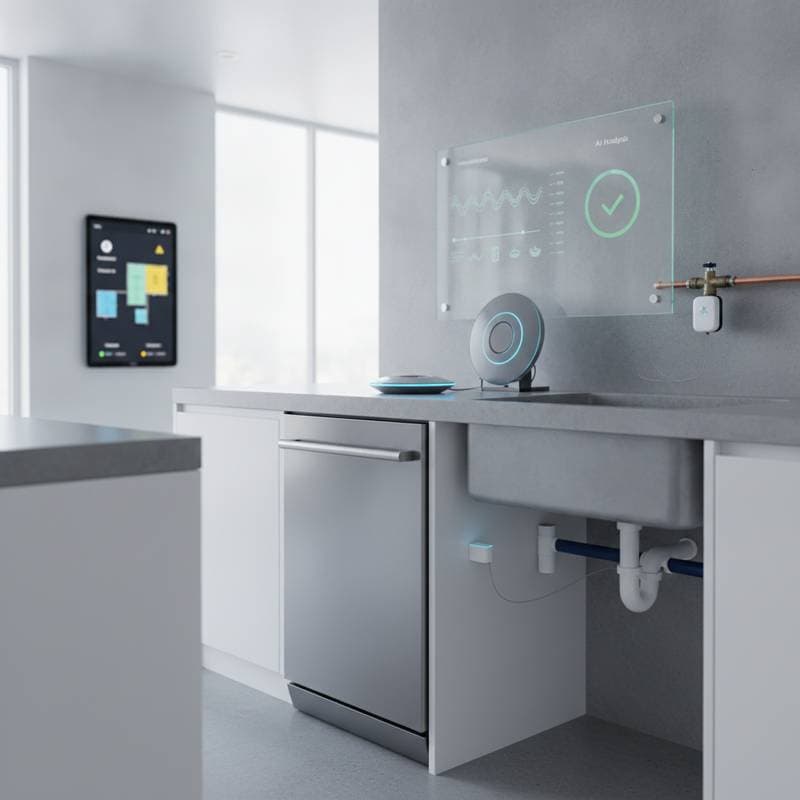
Incorporating smart technology elevates ADU functionality. Automated thermostats adjust temperatures based on occupancy, while app-based monitoring tracks water and energy usage. These features not only appeal to tech-savvy renters but also help owners optimize costs and predict maintenance needs.
Climate plays a significant role in design choices. In hot regions, reflective roofing materials reduce cooling demands; in cold areas, radiant floor heating provides efficient warmth. Tailoring systems to local weather patterns can improve energy efficiency by 15 to 25 percent, directly boosting net rental income.
Making It Happen: Steps Toward a Profitable ADU
-
Evaluate Site Conditions: Assess lot dimensions, soil stability, and proximity to utilities. Identify zoning restrictions on unit size and placement to avoid redesigns.
-
Run Load and Cost Calculations: Use online calculators or hire an engineer to estimate electrical, plumbing, and energy demands. Factor in material price fluctuations and potential rebates for green features.
-
Consult Local Building Departments: Review permit processes, inspection timelines, and code updates. Early engagement clarifies allowable variances, such as height limits or parking requirements.
-
Select Efficient Systems: Choose HVAC with at least 16 SEER ratings, ENERGY STAR-rated appliances, and LED fixtures. Consider solar panels if sunlight exposure supports payback within five years.
-
Plan for Long-Term Maintenance: Establish a schedule for annual HVAC servicing, quarterly plumbing checks, and roof inspections every three years. Budget 1 to 2 percent of construction costs annually for upkeep.
-
Track ROI Metrics: Develop a financial model projecting monthly rent against expenses. Monitor vacancy rates, typically 5 to 10 percent, and adjust for inflation in both income and costs.
-
Market the Unit Effectively: Highlight features like energy savings and privacy in listings. Set competitive rents based on local comparables to achieve 95 percent occupancy.
Achieving Sustainable Returns
Viewing a granny flat as an integrated system rather than an isolated build leads to superior outcomes. Thoughtful selections in materials, technology, and compliance create units that attract reliable tenants and withstand market shifts. Over time, these investments not only generate income but also elevate the entire property's appeal and resale potential, securing financial benefits for years ahead.