Key Takeaways
- FEMA mitigation loans enable homeowners to finance flood-resistant improvements that safeguard property and elevate resale value.
- Eligible enhancements include elevating utilities, installing flood vents, and optimizing drainage systems, all supported by FEMA financing.
- Integrating these loans with strategic design planning delivers enhanced safety alongside substantial long-term returns on investment.
Understanding FEMA Mitigation Loans and Their Mechanics
FEMA mitigation loans offer low-interest financing options for homeowners seeking to implement flood-resistant upgrades that minimize future disaster expenses.
This federal initiative promotes proactive measures to build resilience. Homeowners access these funds to avert damage prior to any event, rather than relying solely on post-disaster recovery assistance. FEMA collaborates with local lenders and state agencies to streamline the application process. The loans target specific projects focused on flood prevention and structural reinforcement.
Homeowners frequently combine these loans with reductions in insurance premiums, particularly under the National Flood Insurance Program. Protected properties face lower risks and associated costs over time.
Key Features
- Objective: To facilitate flood prevention and resilience enhancements.
- Qualification Criteria: Applies to primary residences or investment properties located in flood-vulnerable zones.
- Financing Structure: Features low interest rates with extended repayment periods.
- Advantages: Potential decreases in insurance costs and increases in property valuation.
Identifying Flood-Proof Upgrades with Optimal Returns
Upgrades yielding the highest returns simultaneously mitigate damage and improve daily functionality.
Contemporary flood-proofing extends beyond temporary barriers like sandbags or basic pumps. These solutions now incorporate aesthetic design, practical utilities, and robust safety features. Homeowners select enduring installations that maintain visual appeal while delivering reliable performance.
1. Elevating Critical Utilities
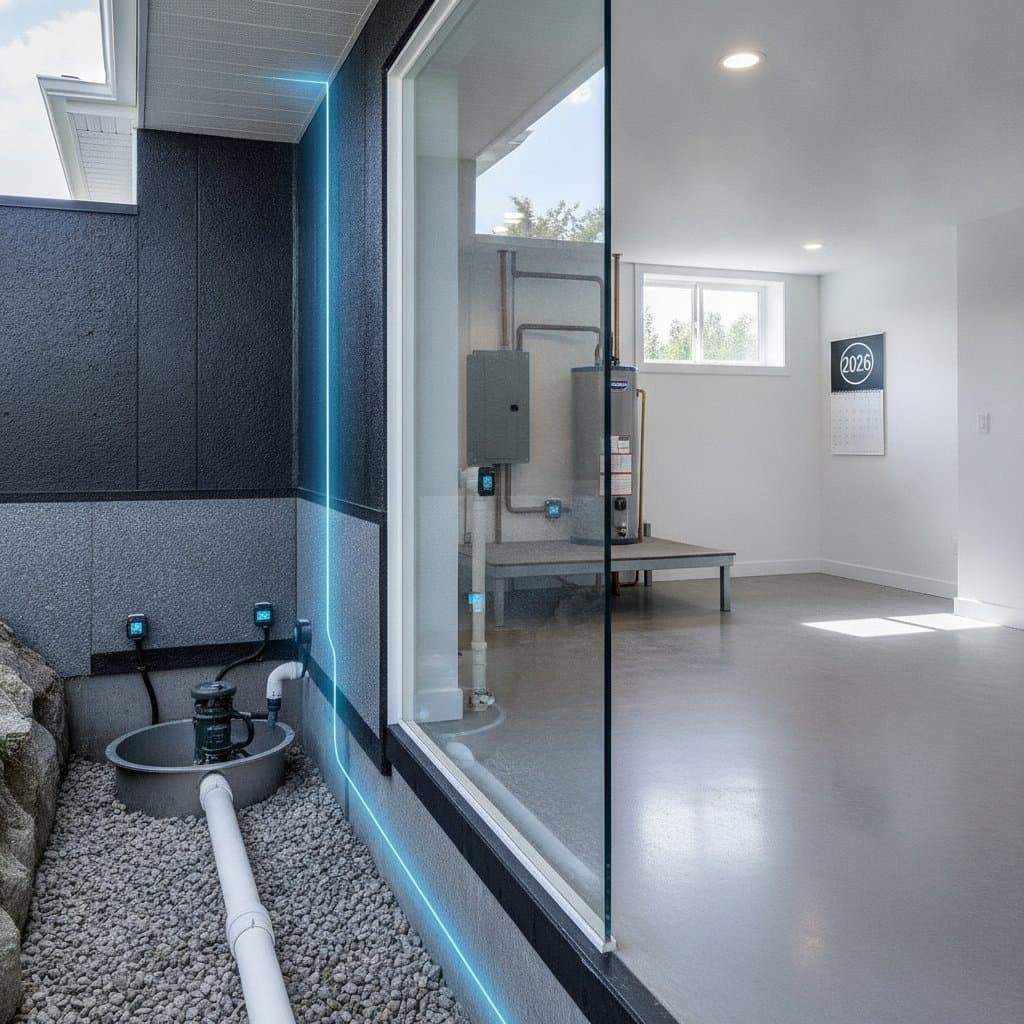
Relocating electrical panels, heating, ventilation, and air conditioning units, as well as water heaters, to positions above potential flood levels prevents expensive replacements and bolsters overall safety. Costs typically fall between five thousand and fifteen thousand dollars, varying by property dimensions. Insurance providers often apply discounts that recoup a portion of the expense within several years.
2. Installing Flood Vents
These automatic vents permit water to pass through crawl spaces, thereby alleviating pressure on foundational walls. Installation remains cost-effective, generally under one thousand dollars per property, and requires minimal effort. FEMA designates such vents as eligible mitigation strategies.
3. Sealing Foundations and Enhancing Drainage
Addressing cracks through sealing, incorporating sump pump systems, or installing French drains to redirect surface water maintains dry interiors. These modifications also promote better indoor air quality by limiting moisture accumulation.
4. Incorporating Dry Floodproofing Materials
Opting for water-resistant options in flooring and wall assemblies for ground-level areas provides discreet yet potent protection. Materials such as porcelain tiles, polished concrete surfaces, and composite trims endure brief water contact and facilitate straightforward cleanup.
5. Implementing Strategic Landscape Grading
A well-planned grading approach directs water flow away from the building foundation. Complementing this with native vegetation adapted to moist conditions enhances both aesthetic curb appeal and practical utility.
Returns on Investment Overview
| Upgrade Category | Cost Estimate Range | Typical ROI Percentage | Aesthetic and Functional Gain |
|---|---|---|---|
| Utility Elevation | $5,000–$15,000 | 60–80% | Ensures system security and ease of access |
| Flood Vents | $500–$1,000 | 70–90% | Seamless incorporation with minimal upkeep |
| Drainage and Grading | $2,000–$10,000 | 50–75% | Improves outdoor usability and visual allure |
| Dry Floodproof Materials | $3,000–$12,000 | 65–85% | Provides resilient surfaces with contemporary style |
Such enhancements transcend mere protection; they position the property favorably among buyers prioritizing security and low-maintenance features.
The Impact of FEMA Funding on Property Valuation
FEMA-supported improvements frequently enhance a property's marketability by verifying resilience and curtailing ongoing expenses.
Prospective buyers demonstrate growing awareness of flood hazards. Properties equipped with verified mitigation features convey greater security and dependability. These loans furnish not only capital but also official validation that upgrades adhere to established benchmarks.
Appraisers assign higher values to mitigated homes due to anticipated reductions in repair outlays. Diminished insurance rates add further incentive. Certain mortgage providers extend preferential terms to residences satisfying resilience standards.
Notable Impacts
- Homes with mitigation sell more rapidly in coastal or floodplain regions.
- FEMA records lend authoritative weight to claims for purchasers and insurers alike.
- Versatile upgrades, such as elevated decks serving dual purposes for flood elevation and recreational space, amplify market desirability.
Navigating the Application Process for FEMA Mitigation Loans
Confirm eligibility as the initial step, followed by coordination with a local lender or state mitigation office to present project specifications.
The procedure unfolds in clear stages:
-
Evaluate Property Risk
Consult FEMA flood zone maps or conduct local assessments to gauge vulnerability. This analysis identifies qualifying mitigation options. -
Select Targeted Projects
Choose interventions that substantially lessen damage potential. FEMA maintains a roster of sanctioned actions, including structural elevation, drainage enhancements, and retaining wall installations. -
Secure Professional Estimates
Request detailed bids from qualified contractors. These documents determine the precise loan amount. -
Prepare and Submit Documentation
Collaborate with a designated lender to assemble and file the application. In select states, mitigation offices oversee this phase. -
Undergo Review and Verification
Upon approval, inspections ensure proper allocation of funds and adherence to plans.
Practical Advice
Layer FEMA financing with home equity options or sustainability initiatives where feasible. For example, regrading paired with rain garden installations may access additional rebates.
Potential Challenges and Considerations
Primary factors include processing durations, restrictions on project scale, and rigorous documentation demands.
Although these loans prove economical, approvals demand patience, often spanning months. Homeowners benefit from initiating applications well in advance, particularly ahead of peak wet seasons.
Certain endeavors necessitate municipal permits or engineering evaluations. Foundation elevation, for instance, requires structural assessments and regulatory clearance. Ongoing adherence to standards remains essential to sustain insurance benefits.
Essential Points
- Approval periods extend across multiple months.
- Select upgrades mandate engagement of certified specialists.
- All records must align precisely with FEMA guidelines for validation.
These procedural elements, while demanding, pale in comparison to the enduring safeguards and appreciation in value they secure.
Evolving Trends in Flood-Resilient Design for 2025
Homeowners increasingly merge resilience with sophisticated aesthetics, selecting finishes that resist water exposure without compromising elegance.
Current patterns emphasize robust materials and adaptable environments. Flood-tolerant flooring mimics natural wood through advanced porcelain variants. Exterior features incorporate raised platforms and moisture-resistant composites.
FEMA resources advance this progression by incentivizing designs that harmonize utility and form. Protection need not detract from visual harmony. Elevated patios featuring built-in drainage exemplify purposeful, integrated solutions.
Emerging Preferences
- Darker grout and matte textures conceal signs of light water intrusion.
- Paints with light-reflective properties mitigate humidity-induced fading.
- Neutral palettes in durable elements ensure enduring sophistication.
This approach to flood-resilient design prioritizes enhanced livability alongside storm readiness.
Frequently Asked Questions from Homeowners
Does a FEMA loan cover the entirety of renovation expenses?
Typically, coverage targets mitigation-specific costs. Ancillary repairs qualify only if they contribute directly to flood damage prevention.
Is flood insurance a prerequisite for eligibility?
In the majority of instances, participation in flood insurance proves necessary. The program integrates insurance with mitigation for comprehensive safeguarding.
Am I eligible if my property lies outside designated high-risk zones?
Eligibility extends broadly, though high-risk locations receive precedence. Several states broaden access to moderate-risk sites when upgrades benefit communal risk reduction.
Are FEMA loans subject to forgiveness upon project completion?
These operate as repayable low-interest loans. Flexible terms apply, but grants do not factor into the structure.
Maximizing Daily Benefits from Flood-Resilient Enhancements
Completed mitigation initiatives yield advantages that surpass immediate security. A fortified foundation or lifted deck contributes to year-round comfort. Optimized drainage curbs basement dampness, while vents preserve crawl space aridity.
These measures represent strategic investments in habitability, structural longevity, and tranquility. When financed through FEMA mitigation loans, they empower homeowners to preserve cherished assets while refining everyday experiences.