2026 Aging-in-Place Bathroom Remodel Cost Breakdown
Choosing the right features for an aging-in-place bathroom remodel represents a key investment for homeowners. The objective is to support safety, independence, and comfort while preserving design quality and efficiency. Costs depend on materials, accessibility features, and structural changes. Clear understanding of each component allows better alignment with budget and long-term needs.
Core Elements of an Accessible Bathroom
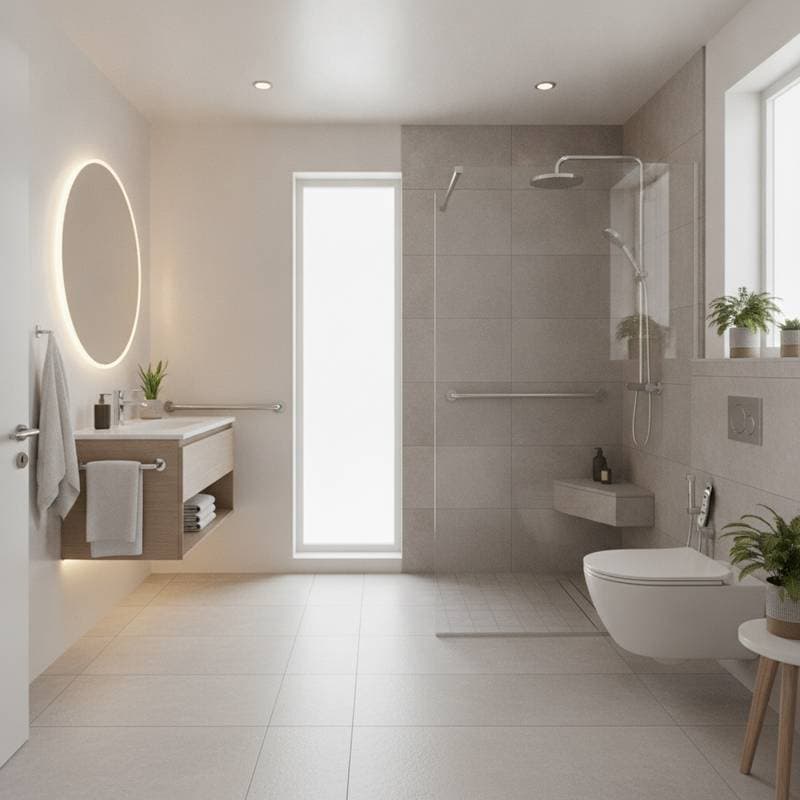
An aging-in-place bathroom requires coordinated changes across plumbing, electrical, structural, and accessibility systems. The primary aim is to lower fall risks and improve usability for those with limited mobility. This involves careful fixture placement, surface traction, and reachability alongside proper drainage and ventilation.
Common modifications include the following:
- Walk-in or roll-in showers with low-threshold bases
- Comfort-height toilets for easier transfers
- Grab bars anchored into wall blocking
- Non-slip flooring with high friction ratings
- Lever-style faucets and handheld showerheads
- Enhanced lighting with high color rendering index values
These elements connect closely. Shower upgrades often require drain relocation, while lighting updates may trigger electrical code reviews.
Grab Bars and Wall Reinforcement
Estimated Range: $250 to $900
Grab bars provide stability only when secured to reinforced backing. Contractors install plywood or metal blocking between studs. Stainless steel bars with textured grips support loads up to 250 pounds.
Key specifications include:
- Placement at 33 to 36 inches above the floor per ADA guidelines
- Corrosion-resistant finishes for humid environments
- Reinforcement costs of $150 to $300 per wall section
Flooring Upgrades
Estimated Range: $1,200 to $2,800
Non-slip flooring improves safety. Vinyl plank or textured porcelain tile delivers durability and traction. Rubber options add cushioning for mobility aid users.
Key specifications include:
- Coefficient of friction at or above 0.42 for wet conditions
- Waterproof adhesives to protect subfloors
- Optional radiant heating that increases material and electrical expenses
Doorway Widening and Accessibility Layout
Estimated Range: $1,000 to $3,200
Doorways under 32 inches limit wheelchair access. Expansion to 36 inches may involve reframing or electrical relocation. Pocket doors or outswing designs help in confined areas.
Structural considerations include:
- Engineered headers for load-bearing walls
- Flush or beveled thresholds to reduce trip hazards
- 30-by-48-inch clearance around fixtures
Performance Comparison Table
| Feature | Typical Cost Range | Lifespan (Years) | Maintenance Level | Efficiency Rating |
|---|---|---|---|---|
| Walk-In Shower | $4,800 to $9,500 | 20 to 25 | Moderate | WaterSense 1.75 GPM |
| Grab Bars | $250 to $900 | 15 to 20 | Low | N/A |
| Comfort-Height Toilet | $450 to $1,100 | 20 | Low | 1.28 GPF |
| Flooring | $1,200 to $2,800 | 15 to 20 | Moderate | Slip Rating at least 0.42 |
| Lighting | $500 to $1,800 | 10 to 15 | Low | ENERGY STAR LED |
| Doorway Widening | $1,000 to $3,200 | 25+ | Low | ADA 36-inch clear width |
Regional Code and Climate Factors
Accessibility codes differ by location and often follow ADA standards or local versions. Humid areas need stronger ventilation and moisture-resistant materials. Colder regions benefit from radiant heating. Energy programs may offer rebates for low-flow fixtures and LED lighting.
Seismic or hurricane zones require reinforced mounting for grab bars and fixtures. Electrical rules mandate GFCI and AFCI protection near water sources. Confirm compliance with local amendments to the International Residential Code before work begins.
Cost and Value Considerations
Total project costs typically fall between $8,000 and $20,000. Returns appear through reduced injury risks, lower maintenance, and better future accessibility. Efficient fixtures cut utility expenses, and durable surfaces extend replacement intervals.
Next Steps for Homeowners
- Obtain a professional assessment from a certified aging-in-place specialist.
- Collect detailed bids that cover reinforcement, waterproofing, and code-compliant items.
- Check that fixtures meet WaterSense or ENERGY STAR standards and that grab bars satisfy load requirements.
- Include blocking for future grab bars and consider adjustable showerheads.
- Arrange inspections after installation to verify drainage, lighting, and electrical performance.