Aging Bathroom Retrofits Cost Between $12,000 and $28,000 in 2026
Home renovation projects face higher expenses due to increased material prices and contractor shortages. Accessible bathroom retrofits follow this trend. Homeowners must balance safety features, aesthetic choices, and overall budget constraints. Retrofitting creates spaces that support independence while preventing injuries and preserving long-term property value.
Cost Breakdown by Upgrade Type
Project scope and material selections determine final expenses. The following categories outline typical price ranges for common accessibility improvements.
Walk-In Shower Conversion
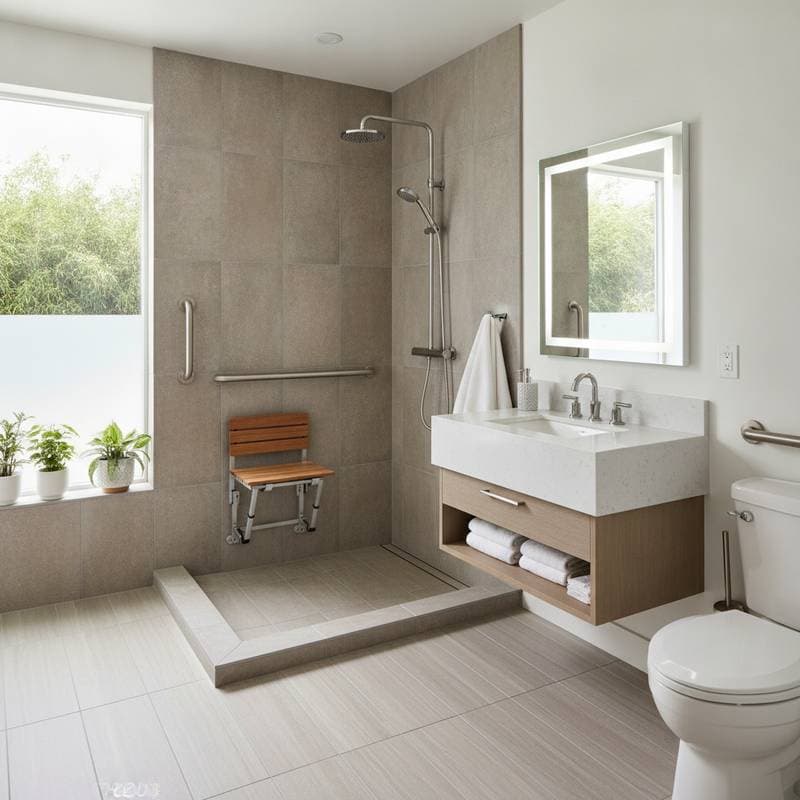
Replacement of a standard tub with a curbless shower requires between $7,000 and $15,000. Labor represents roughly half of this amount because plumbing adjustments and waterproofing measures become necessary. Ceramic tile starts at $3 per square foot while porcelain or stone reaches $15 per square foot. Prefabricated bases reduce expenses yet require evaluation for layout compatibility.
Comfort-Height Toilet Installation
Installation costs range from $500 to $1,200 and include labor. These fixtures decrease physical strain during use. Addition of a bidet seat or integrated lighting increases the total by another $500 to $700.
Non-Slip Flooring
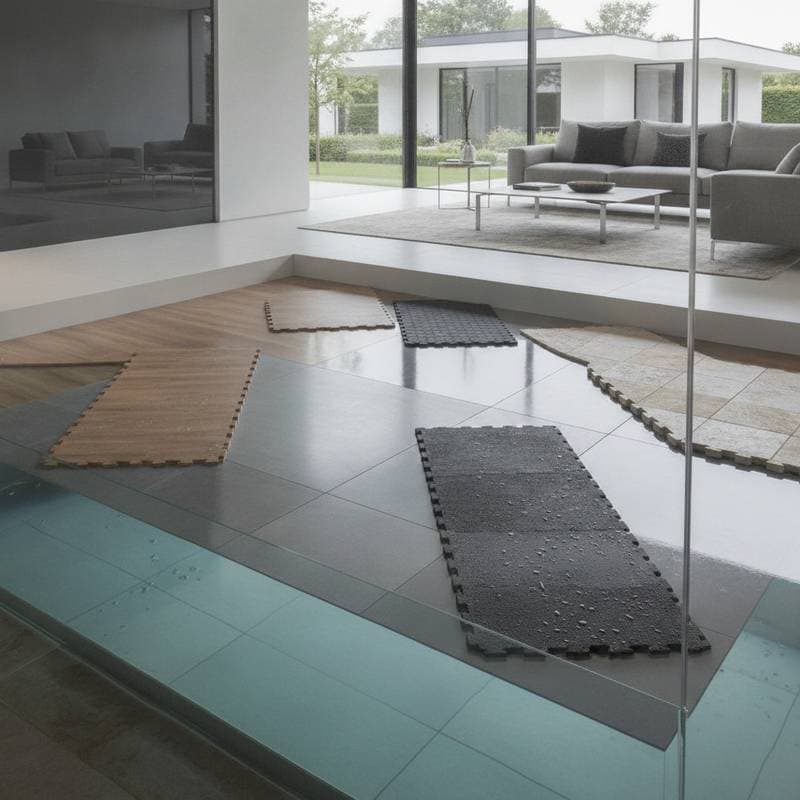
Textured vinyl or slip-resistant porcelain tile materials cost $6 to $12 per square foot when installed. Heated flooring systems add $1,200 to $2,000 for enhanced comfort during colder months.
Grab Bars and Reinforced Walls
Individual grab bars range from $75 to $150. Wall reinforcement for secure mounting adds $300 to $600 per location. Anchoring must occur at studs or through approved blocking methods.
Accessible Vanity and Lighting
Wheelchair-compatible vanities with open knee space range from $1,200 to $3,500 after installation. Motion-sensor LED lighting improves visibility and efficiency at an added cost of $400 to $1,000.
Optimal Timing and Material Planning
Spring and fall provide the best windows for scheduling work. Contractor availability increases during these periods while humidity levels remain suitable for tile installation. Fixtures such as walk-in tubs and custom grab bars frequently experience supply delays. Imported tile and specialty lighting require advance ordering or substitution with domestic options.
Return on Investment and Ongoing Advantages
Accessible retrofits recover 50 to 70 percent of costs at resale, particularly in markets with multigenerational households. These modifications also reduce fall risks, which represent a primary source of home injuries among older adults. Energy-efficient lighting and low-flow fixtures lower annual utility expenses by 10 to 20 percent. The resulting features attract both current residents and prospective buyers.
Location-Based Price Variations
Smaller communities with reduced labor rates keep full retrofits under $15,000. Major metropolitan areas push identical work above $30,000 due to high contractor demand. Structural changes such as doorway widening add $1,500 to $3,000 per opening.
Safety Standards and Code Compliance
Waterproofing and electrical protections require strict adherence. Flooring must achieve a minimum wet coefficient of friction rating of 0.42. Ground-fault circuit interrupter outlets remain mandatory near water sources. New plumbing installations must satisfy local codes. Contractors must supply current licensing and insurance documentation before work begins.
Steps to Begin Your Retrofit Project
Compile a prioritized list of required versus optional features. Obtain three detailed quotes that separate labor from materials. Inquire about prior accessibility experience and request visual examples of finished projects. An occupational therapist consultation can refine layout decisions for improved safety and usability. Materials should be ordered early with confirmed delivery schedules that include buffer time for inspections or delays.