Multigenerational Living: 2026 Suite Costs and Design Trends
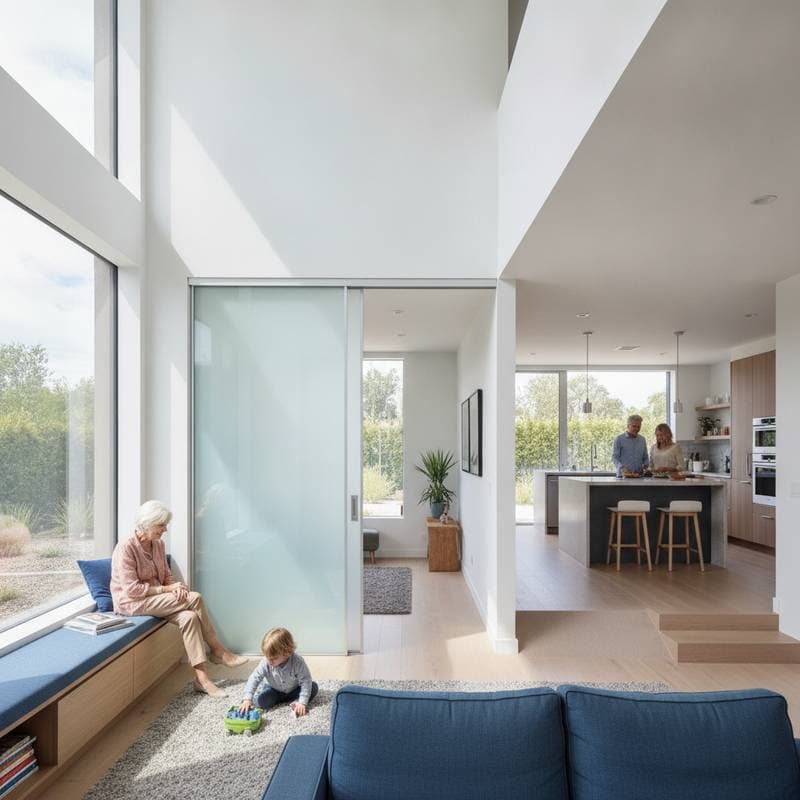
Home renovation projects across the country are shifting toward multigenerational living. Rising housing costs, longer lifespans, and tighter real estate markets push homeowners to rethink their space. Adding a private suite above a garage for aging parents requires attention to comfort, privacy, and connection under one roof.
This overview covers multigenerational living suite costs in the current market, design choices that support success, and project planning steps that protect budgets and family relationships.
Reasons Multigenerational Living Continues to Grow
Separate homes carry high costs, as do long-term care facilities. Many families choose to remodel an existing home and create a secondary suite. Some projects support aging parents. Others accommodate adult children who save for their first home. Additional reasons include live-in caregivers and extended family support.
Financial factors matter, yet emotional considerations often lead the decision. Proximity without loss of independence drives most projects of this type.
Design Trends That Shape Successful Suites in 2026
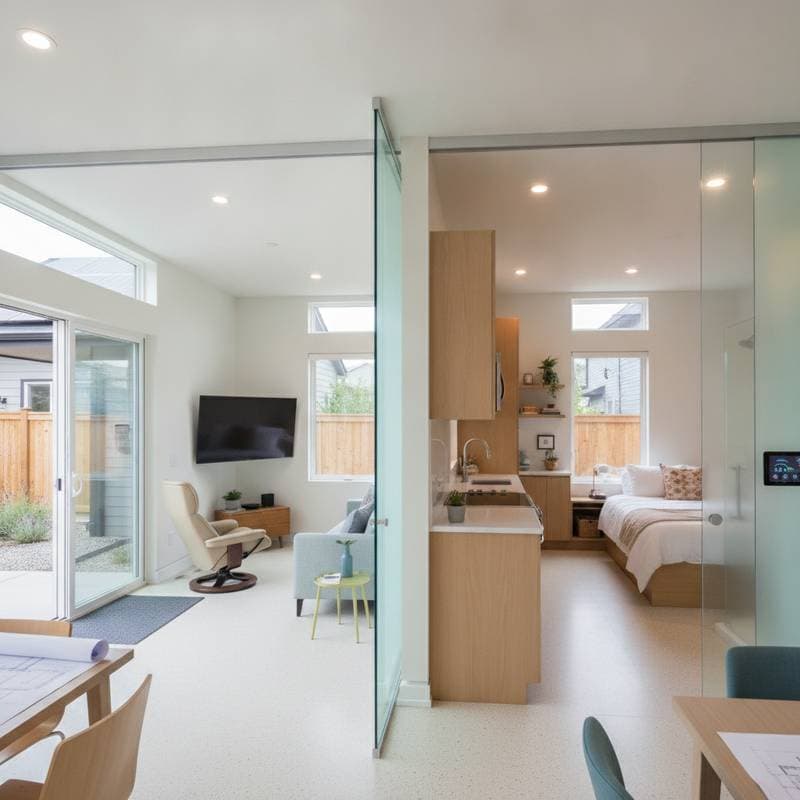
Effective multigenerational suites address daily challenges rather than simply adding rooms. The following approaches support comfort and flexibility.
Private Entrances with Optional Shared Access
Separate exterior entries preserve independence. An interior connecting door allows quick family contact when desired. Both features together give residents clear choices throughout the day.
Universal Design Elements
Wider doorways, zero-threshold showers, and lever-style handles serve as standard features. These details accommodate mobility changes for any resident and extend the useful life of the space.
Compact Kitchens with Ample Storage
Induction cooktops and undercounter refrigerators reduce the footprint of kitchenettes. Built-in pantry cabinets and pull-out organizers keep small areas functional for daily meals.
Soundproofing Between Living Areas
Acoustic insulation in floors and walls reduces noise transfer. Proper installation prevents routine activities in one unit from disturbing residents in another.
Flexible Layouts for Future Use
Design choices that allow later conversion protect long-term value. An exterior door and separate utility meters make it possible to adapt the suite as a rental unit or home office when needs change.
Project Timing and Material Planning
Material costs often stabilize during late spring and early fall. Projects started in peak summer face contractor backlogs. Winter starts risk shipping delays for key items. Early planning allows bids to be secured before seasonal adjustments occur.
Order long-lead items such as windows and cabinetry immediately after design approval. This step prevents delays that can extend a project by four to six weeks.
Value and Return on Investment
Secondary living spaces increase resale value. Real estate professionals note that homes with these features sell for 15 to 25 percent more than comparable properties without them. Shared utilities and reduced external care expenses produce ongoing savings.
Energy-efficient choices improve operating costs. Spray foam insulation combined with Energy Star appliances can lower suite energy use by 25 percent or more, which reduces monthly bills while maintaining comfort.
Steps to Begin Construction
Clarify project goals first. Identify who will occupy the suite, the expected duration, and the required level of independence. Schedule design consultations with at least two contractors experienced in secondary suites. Request three-dimensional renderings to review circulation and privacy before construction begins.
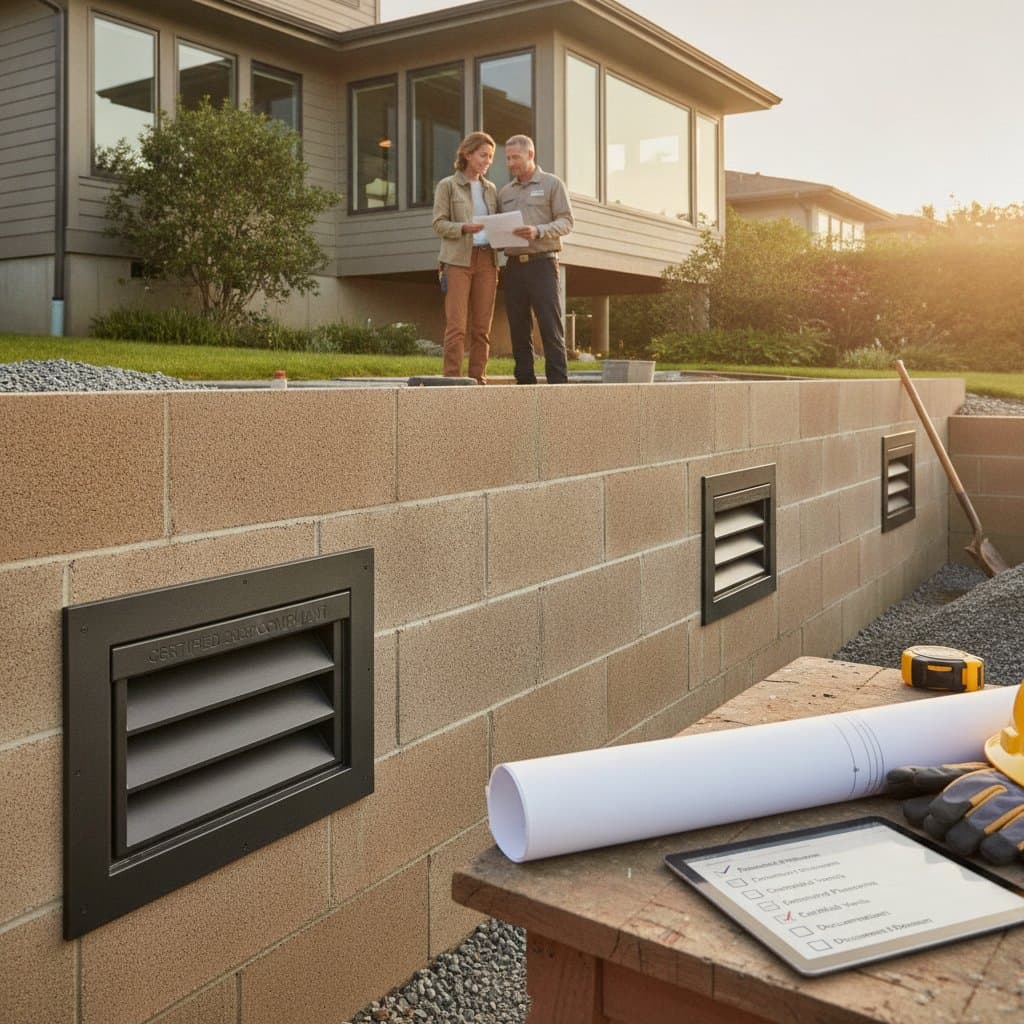
Verify local zoning rules next. Some municipalities classify secondary suites as separate dwellings and impose requirements for parking or fire separation. Early confirmation prevents costly revisions later.
Protecting the Completed Investment
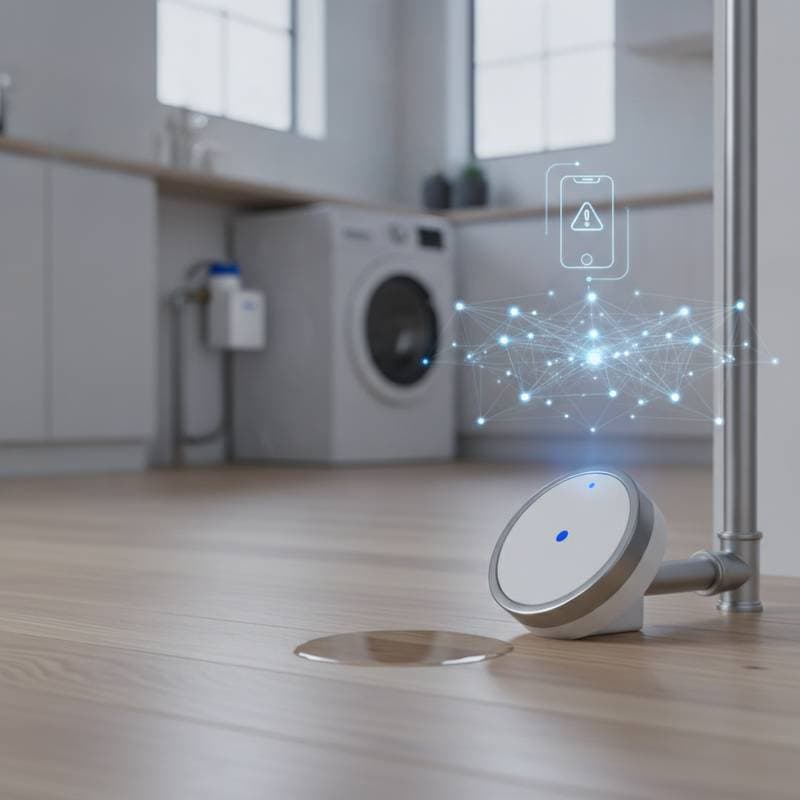
Schedule routine inspections of insulation, appliances, and mechanical systems. Keep records of maintenance performed. These practices preserve both the physical condition and the market value of the added space over time.