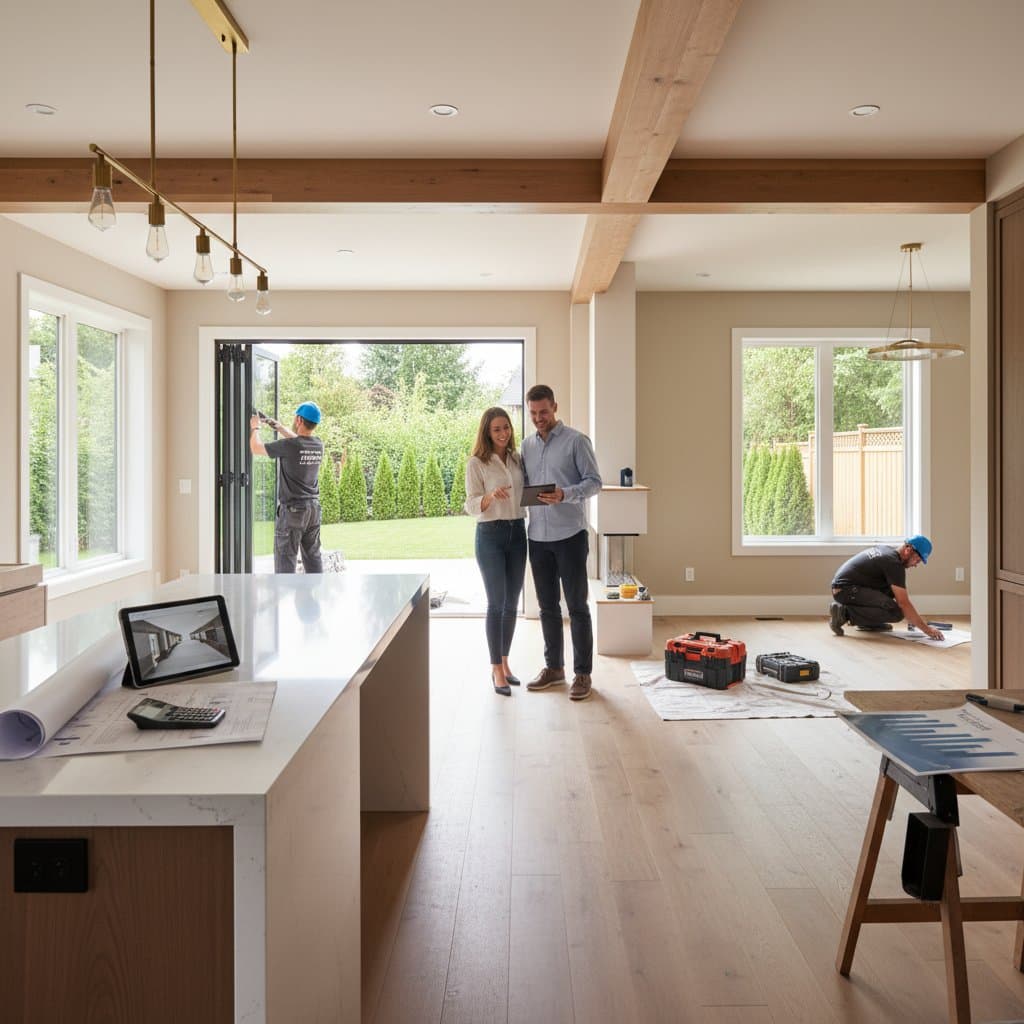
Mortgage Remodel Loans Surpass HELOCs with Monthly Savings
Homeowners facing high interest rates or limited equity now consider mortgage remodel loans as a practical option over HELOCs. These products combine renovation costs with an existing mortgage to create one fixed payment. The approach often delivers a lower blended rate and simplifies repayment.
Project Overview
- Average renovation budget ranges from 25000 dollars to 150000 dollars.
- Approval and funding typically require 4 to 10 weeks.
- Loan terms extend from 15 to 30 years based on structure.
- Spring or early summer supports smoother contractor scheduling.
- Only lender approved licensed contractors may perform the work.
Reasons HELOCs Have Lost Appeal
Variable rates and stricter standards have reduced the flexibility once associated with HELOCs. Rates in many high cost areas now exceed 9 percent. Remodel mortgage products frequently lock fixed rates near 6 percent. On a 75000 dollar kitchen project this rate gap produces monthly savings near 190 dollars.
Borrowers also avoid managing two separate loans. The remodel loan refinances the current mortgage and adds renovation funds in a single product. This structure suits owners who expect to remain in the home long enough to realize payment reductions and added property value.
Mechanics of Remodel Mortgage Loans
Lenders assess the after renovation value rather than the current appraisal. This method permits borrowing against anticipated gains. A home valued at 400000 dollars that will reach 480000 dollars after work may support financing up to 90 percent of the future value.
Funds disburse in stages tied to construction milestones. A standard schedule releases 30 percent at signing, 40 percent at midpoint, and 30 percent after final inspection. Closing costs for appraisals, inspections, and fees generally total between 1000 dollars and 2500 dollars.
Key Cost Factors
Location affects labor and permit expenses, which run 20 to 30 percent higher in coastal markets. Structural additions require engineering reviews that add at least 3000 dollars. A 40 point credit difference can alter rates by half a percent. Lenders accept only licensed and insured contractors, so unverified providers slow the process.
Limits on Owner Performed Work
These loans require professional verification through invoices and inspections, so most DIY tasks are not permitted. Professional involvement is mandatory for plumbing, electrical, structural framing, or roofing work. Cosmetic tasks such as painting may sometimes remain outside the financed portion.
Obtain three quotes from local contractors before submitting a loan application to establish accurate pricing.
Strategies to Reduce Expenses
Combine several projects into one loan to lower closing costs. Secure rate locks early when increases appear likely. Align draw schedules with contractor timelines to prevent cash shortfalls. Apply available rebates for energy efficient upgrades to decrease the total amount borrowed.
Assessing Long Term Returns
Well executed improvements can raise resale value by 15 to 25 percent. A 60000 dollar kitchen and bath renovation may generate more than 12000 dollars in annual value growth while cutting future maintenance. Contact your current lender or a renovation specialist to review rate options and after renovation appraisal requirements. Confirm contractor eligibility before proceeding.