Understanding Battery HVAC Systems
Battery HVAC systems represent an advanced approach to home climate control, especially in regions prone to power interruptions. These setups combine heating, ventilation, and air conditioning equipment with energy storage solutions, allowing operation independent of the electrical grid. Homeowners gain uninterrupted comfort without relying on noisy, fuel-dependent generators.
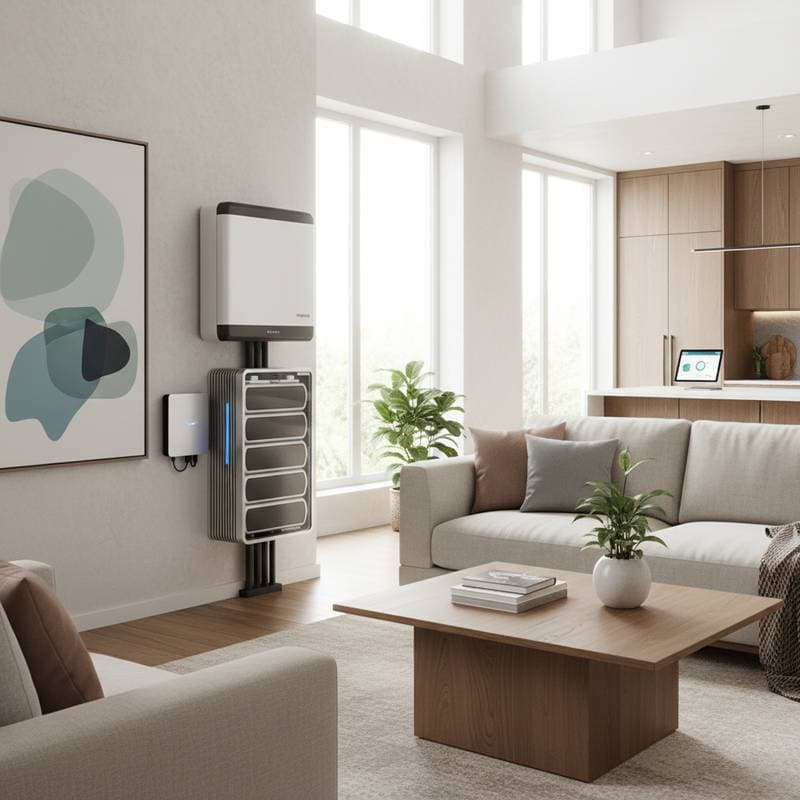
The core components include high-efficiency heat pumps or air handlers, robust lithium-ion batteries, and seamless inverters that manage power flow. During normal conditions, the system draws from the grid or solar panels to charge batteries. In outages, it switches automatically, powering essential HVAC functions for hours or days, depending on capacity and usage.
This technology addresses growing concerns over grid instability, projected to worsen with climate events and infrastructure strain. By 2026, experts anticipate more frequent disruptions, making battery HVAC a proactive investment for energy security.
Types of Battery HVAC Systems
Several configurations suit different home needs and climates. Each balances performance, cost, and installation feasibility. Select based on local weather patterns, existing infrastructure, and energy goals.
1. All-Electric Heat Pump with Battery Storage
These systems rely entirely on electricity for both heating and cooling, paired with dedicated battery banks. They excel in moderate climates where heat pumps handle seasonal demands efficiently.
Specifications:
- SEER: 20–25
- HSPF: 10–12
- Battery capacity: 13.5–27 kWh
- Best for: Mild to moderate climates with solar potential
Pros: Zero emissions, seamless integration with renewables, quiet operation
Cons: Limited performance in sub-zero temperatures, higher upfront battery costs
2. Variable Refrigerant Flow (VRF) Battery Systems
VRF systems distribute refrigerant to multiple indoor units, offering precise zone control. Battery integration ensures each zone maintains settings during outages.
Specifications:
- SEER: 22–30
- HSPF: 11–13
- Battery capacity: 15–25 kWh
- Best for: Mixed or cold climates with multi-zone needs
Pros: Zoning flexibility, high comfort, excellent modulation efficiency
Cons: Complex installation, requires specialized technicians
3. Hybrid Furnace-Battery Systems
These combine a gas furnace for primary heating with battery-supported electric cooling and backup power. The setup leverages natural gas reliability while storing electricity for other needs.
Specifications:
- AFUE: 95–98%
- SEER: 18–20
- Battery capacity: 10–20 kWh
- Best for: Cold climates or regions with natural gas infrastructure
Pros: Reliable heating in extreme cold, moderate battery size
Cons: Dual fuel sources increase system complexity
Key Integration Factors
Successful battery HVAC integration demands careful planning of electrical and mechanical elements. Begin with an evaluation of the home's current setup to identify upgrades.
The inverter connects to the main electrical panel, prioritizing HVAC alongside essentials like refrigerators and lights. For older homes, upgrade service to 200 amps or more to handle demands. Incorporate soft-start features on compressors to minimize initial power surges, preserving battery life.
Ductwork plays a critical role in efficiency. Ensure ducts are sealed and sized correctly to avoid energy loss. Use Manual D for duct design and Manual S for equipment selection to match airflow with load requirements, maximizing backup duration.
Professional Installation and Compliance
Licensed experts in HVAC and electrical systems handle installation to meet safety standards. Follow these essential steps for a flawless setup.
- Load Assessment: Perform a Manual J calculation to accurately size heating and cooling needs.
- Electrical Coordination: Adhere to National Electrical Code Article 706 for storage systems and Article 690 for any solar ties.
- Ventilation Testing: Verify duct leakage, static pressure, and balance to confirm proper airflow.
- Final Commissioning: Set inverter transitions, battery thresholds, and thermostat logic for optimal control.
Local codes often require dual inspections from electrical and mechanical inspectors. Coordinate with utilities for grid-tied features like net metering to avoid issues.
Advanced Monitoring and Controls
Integrated apps and dashboards track real-time data on energy use, battery status, and system performance. These tools empower homeowners to monitor and adjust operations remotely.
Smart thermostats integrate with inverters to manage loads dynamically, such as during peak rates or low battery conditions. Advanced models predict weather patterns and preemptively adjust temperatures, reducing outage impacts.
Long-term data analysis reveals patterns in energy consumption and battery health. Regular reviews help schedule maintenance, ensuring sustained efficiency and longevity.
Steps to Implement Your System
Start with a professional energy audit to assess your home's loads and infrastructure. Consult certified contractors experienced in battery HVAC for personalized recommendations.
Prioritize equipment with AHRI-verified high SEER and HSPF ratings. Select UL 9540-certified batteries for safety. Size inverters to cover current HVAC needs plus potential expansions like solar.
Secure installers who offer comprehensive commissioning, ongoing monitoring, and robust warranties. This investment transforms vulnerability into resilience.
Building a Resilient Home Energy Future
Battery HVAC systems extend beyond mere backup; they form the core of an efficient, sustainable living environment. In an era of uncertain grid performance, these solutions preserve comfort, safeguard assets, and foster independence. Homeowners who adopt this technology position themselves for measurable efficiency gains and enduring protection against disruptions.