Why Battery Backup HVAC Outperforms Generators in 2026 Blackouts
Power outages pose significant risks to home comfort and safety, especially as grid disruptions become more common. Homeowners often rely on standby generators, yet these options involve noise, emissions, and fuel storage challenges. Battery backup HVAC systems offer a modern solution that delivers quiet, clean power to essential heating and cooling equipment. To prepare effectively, evaluate your home's energy needs, local climate, and existing infrastructure for optimal system selection.
Fundamentals of Battery Backup HVAC Systems
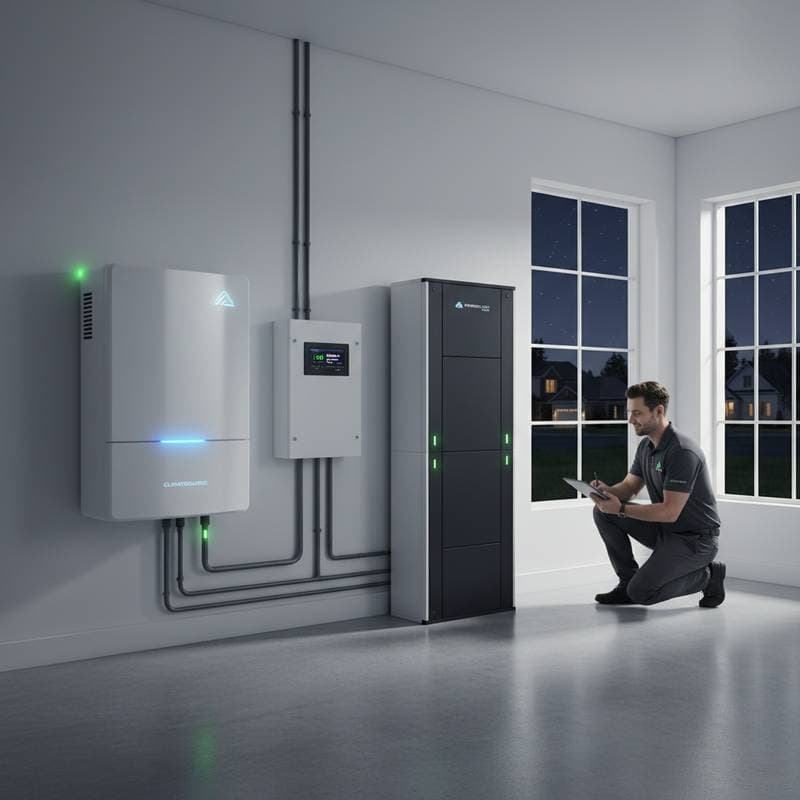
Battery backup HVAC systems combine efficient heating or cooling units with energy storage to sustain operations during outages. A typical setup includes a heat pump or air handler linked to lithium iron phosphate batteries, which store direct current power. An inverter converts this energy to alternating current for household appliances, while a transfer switch activates during grid failures to isolate and power critical circuits.
During normal operation, the system charges from the utility grid or solar panels. In outage mode, smart controls limit HVAC functions to essential tasks, such as circulating air or maintaining moderate temperatures. This approach conserves battery life by cycling high-energy components like compressors only as needed, ensuring hours of reliable performance.
Climate-Specific Performance Factors
System effectiveness depends on regional conditions, requiring tailored designs for optimal results. In humid areas, prioritize dehumidification capabilities to manage moisture without excessive energy use. Select variable-speed compressors and intelligent thermostats that adjust output dynamically, preserving battery reserves while upholding indoor humidity levels below 60 percent.
Northern regions demand robust heating solutions, where cold-weather heat pumps with a Heating Seasonal Performance Factor exceeding 10.5 maintain efficiency down to 5 degrees Fahrenheit. Consider hybrid setups that pair electric heat pumps with gas furnaces, allowing fuel switching to prolong battery duration during prolonged cold spells. Perform a seasonal energy audit to align system capacity with local heating degree days.
In dry or elevated areas, address reduced air density and low humidity through specialized components. Add humidifiers if necessary, but calculate their power impact to avoid overtaxing storage. Base sizing on comprehensive cooling and heating load assessments to match battery capacity to yearly demands.
Configuration Options for Battery Backup HVAC
Select a configuration based on your home size, budget, and energy goals. Each type balances coverage, cost, and runtime differently.
Whole-House Integration
This setup powers the full HVAC system via a 20- to 30-kilowatt-hour battery bank. It ensures uninterrupted operation but demands electrical panel upgrades for load management. Ideal for larger homes in moderate climates seeking comprehensive backup.
Critical Load Subpanel
Focus power on vital elements like fans and controls with a 10- to 15-kilowatt-hour battery. Compressors engage sparingly, prioritizing air circulation for safety. This cost-effective choice suits most households and extends runtime in diverse conditions.
Hybrid Solar-Storage Setup
Integrate photovoltaic panels with 15- to 25-kilowatt-hour storage for renewable recharging. Daytime solar input sustains HVAC use and replenishes batteries. Best for sunny regions, offering potential for extended or indefinite operation.
Configuration Comparison
| Configuration Type | Battery Capacity (kWh) | Typical Runtime | Installation Cost | Maintenance Level | Suitable Climate Zones |
|---|---|---|---|---|---|
| Whole-House | 20-30 | 8-12 hours | High | Moderate | 3-6 |
| Critical Load | 10-15 | 12-18 hours | Medium | Low | 2-8 |
| Hybrid Solar | 15-25 | Indefinite with sun | High | Moderate | 1-5 |
Seamless Integration with Home Systems
Successful installation hinges on compatibility with your electrical setup. Position the inverter to sync with the main panel, and deploy load management software to select active circuits during outages. For older homes, inspect wiring for capacity; reinforce if needed to support charging cycles without overload.
Ducted HVAC benefits from variable-speed fans that run at reduced power, stretching battery life. Opt for ductless mini-splits with low inrush current for even greater efficiency in targeted zones. If solar exists, leverage hybrid inverters to unify control of generation, storage, and HVAC demands.
Conduct a professional audit to map circuits and identify upgrades. This step prevents common pitfalls like voltage drops and ensures smooth transitions between grid and battery power.
Evaluating Costs and Long-Term Efficiency
Initial expenses for battery backup systems exceed standard HVAC by twofold to threefold, yet savings accrue over time. Efficient heat pumps cut energy use by 40 percent, and batteries enable peak shaving to avoid high utility rates. Calculate payback using local electricity costs and rebate incentives for accurate projections.
| System Type | Average Installed Cost | Annual Energy Savings | Payback Period | Carbon Reduction |
|---|---|---|---|---|
| Standard Heat Pump | Moderate | 20% | 8 years | Medium |
| Battery-Backed Heat Pump | High | 40% | 10 years | High |
| Hybrid Solar-Storage | High | 50% | 7 years | Very High |
Beyond finances, these systems eliminate generator drawbacks like fuel dependency and emissions. Remote monitoring via apps tracks performance, alerting to issues early for proactive care.
Professional Installation Essentials
Engage certified professionals for all aspects of setup, from electrical wiring to system testing. High-voltage elements and code compliance demand expertise to avoid hazards. Commissioning verifies inverter settings and safety features like automatic shutoffs.
Energy specialists perform Manual J load calculations to size batteries and equipment precisely. For multi-room homes, implement zoning to direct power to priority areas, optimizing runtime. Review permits and incentives beforehand to streamline the process.
Essential Maintenance Practices
Routine care keeps systems reliable with less effort than fuel-based alternatives. Schedule annual checks for inverter function, battery ventilation, and software updates. Align HVAC maintenance with standard protocols, including filter replacements and refrigerant inspections.
Protect batteries from extremes by housing them in temperature-controlled spaces. Monitor degradation through built-in diagnostics, replacing components every 10 to 15 years as needed. These habits extend lifespan and maintain peak efficiency.
Steps to Achieve Energy-Resilient Comfort
Transition to battery backup HVAC for dependable home climate control amid rising outage risks. Start with an energy assessment to quantify loads and assess infrastructure. Consult experts to customize a solution that fits your budget and delivers year-round stability.
This investment fosters independence, blending advanced technology with practical design. Homeowners secure not just outage survival, but enhanced efficiency and reduced environmental footprint in daily life.