Bathroom Remodels Return 60 to 70 Percent of Their Cost
A bathroom remodel stands as one of the most valuable home improvements for boosting property worth. Homeowners often question whether such projects justify the expense, yet data from recent real estate analyses confirms a strong return. Specifically, these updates recoup 60 to 70 percent of costs upon resale, making them a strategic choice for long-term value.
The appeal lies in how bathrooms influence buyer perceptions. A dated or dysfunctional space can deter potential purchasers, while a modern, efficient one signals quality care. This section examines the foundational reasons behind the high ROI and sets the stage for specific recommendations.
Understanding Return on Investment in Bathroom Remodels
Return on investment measures the percentage of project costs recovered through increased home value. For bathrooms, this figure averages 60 to 70 percent based on national averages from remodeling reports. Factors such as location, market conditions, and upgrade quality influence the exact return, but consistent trends emerge across regions.
Midrange remodels, which balance cost and quality, perform best. These projects avoid extravagant spending while addressing essential needs like functionality and aesthetics. In contrast, upscale transformations may delight owners but recover only 50 to 60 percent due to subjective luxury elements that not all buyers prioritize.
Homeowners benefit most when projects align with buyer preferences. Neutral colors, durable materials, and energy-efficient features resonate widely. By focusing on these, individuals position their property favorably in competitive markets.
Key Costs Associated with Bathroom Remodeling
Budgeting forms the cornerstone of any successful remodel. Average costs for a standard bathroom update range from 10,000 to 25,000 dollars, depending on size and scope. Basic refreshes, such as painting and fixture replacements, fall on the lower end, while comprehensive overhauls involving plumbing relocation exceed 20,000 dollars.
Labor accounts for 50 to 60 percent of expenses, with materials comprising the rest. Unexpected issues, like hidden water damage or outdated wiring, can inflate budgets by 10 to 20 percent. Planning ahead mitigates these risks through thorough inspections and phased work.
Regional variations affect pricing. Urban areas command higher rates due to labor shortages and material transport, whereas rural locations offer savings. Homeowners should obtain multiple quotes and prioritize licensed contractors to ensure quality without excess costs.
Breaking Down Material and Labor Expenses
- Fixtures and Plumbing: New toilets, sinks, and faucets cost 500 to 2,000 dollars. Low-flow models reduce water bills and appeal to eco-conscious buyers.
- Flooring and Tiling: Vinyl or ceramic options range from 1,000 to 5,000 dollars. Slip-resistant tiles enhance safety and durability.
- Vanities and Storage: Midrange units priced at 300 to 1,000 dollars provide ample organization without overwhelming the budget.
- Lighting and Ventilation: LED fixtures and exhaust fans add 200 to 800 dollars but improve energy efficiency and air quality.
These elements contribute directly to ROI by modernizing the space efficiently.
High-Impact Upgrades for Maximum ROI
Selecting the right updates separates profitable remodels from mere aesthetic changes. Prioritize features that enhance usability and curb appeal. The following options deliver the strongest returns when implemented thoughtfully.
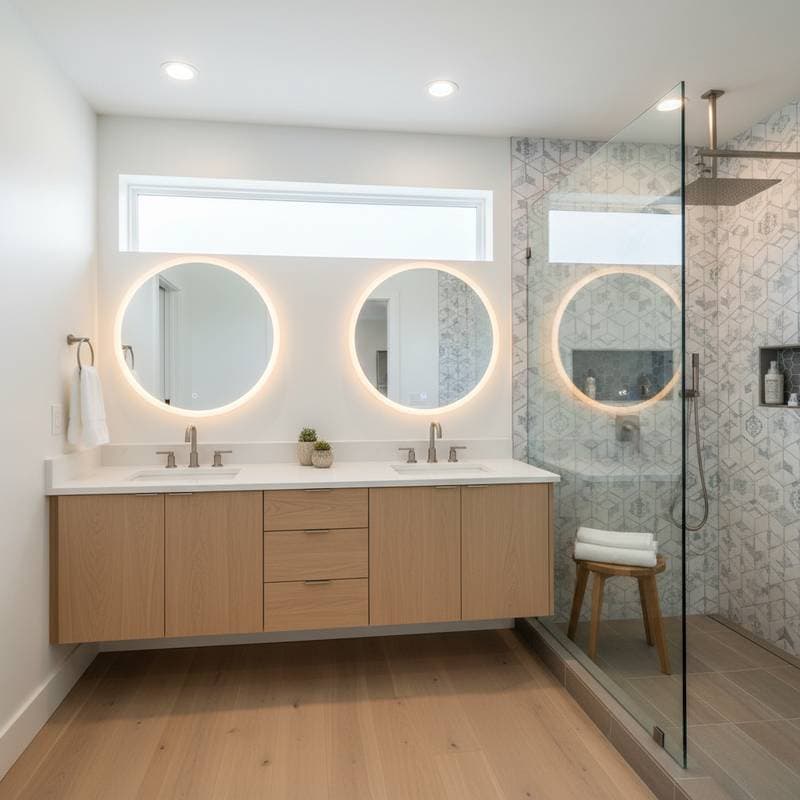
Vanities serve as focal points, offering both storage and style. Opt for double-sink models in master bathrooms to accommodate couples, which can increase perceived value by 5 to 10 percent. Quartz or granite countertops resist stains and pair well with shaker-style cabinets for timeless elegance.
Tile work transforms floors and walls effectively. Subway or hexagonal patterns in neutral tones cost less than custom designs yet elevate the room's sophistication. Proper installation prevents future leaks, ensuring the investment lasts.
Walk-in showers replace bulky tubs in many homes, promoting accessibility and luxury. Curbless designs with rainfall heads appeal to aging-in-place trends, recovering up to 70 percent of costs. Pair them with frameless glass enclosures for an open, spa-like feel.
Efficient lighting layers ambient, task, and accent options. Recessed cans and sconces illuminate vanity areas without harsh glare. Dimmable LEDs save on electricity and create versatile moods, adding practical value.
Prioritizing Upgrades by Budget
- Under 5,000 Dollars: Refresh paint, update hardware, and install new mirrors. These quick wins refresh the space affordably.
- 5,000 to 15,000 Dollars: Replace fixtures, add tile surrounds, and improve ventilation. This level addresses core functionality.
- Over 15,000 Dollars: Incorporate custom showers, heated floors, and smart tech. Reserve for high-end properties where buyers expect premium features.
Tailor choices to the home's overall style to maintain cohesion.
Design Choices That Balance Style and Function
Effective remodels integrate form and utility seamlessly. Layout optimization maximizes space, such as converting corner tubs to niche shelving. Universal design principles, like lever handles and 36-inch doorways, future-proof the bathroom for varied users.
Material selection influences longevity and appeal. Porcelain tiles withstand moisture better than wood, while solid-surface countertops simplify cleaning. Avoid trends like bold patterns that may date quickly; instead, choose versatile whites and grays.
Color schemes play a subtle role in ROI. Light palettes expand small bathrooms visually, and they pair easily with any decor. Adding plants or natural stone accents introduces warmth without permanent changes.
Smart technology, such as touchless faucets or heated towel racks, enhances convenience. These features, though initially costly, reduce maintenance and appeal to tech-savvy buyers, supporting higher resale prices.
Navigating the Remodeling Process
Embark on the project with clear planning. Start by assessing current issues through a professional evaluation. Sketch desired layouts and gather inspiration from reliable sources to refine visions.
Select contractors with proven track records in bathroom work. Review portfolios for similar projects and verify insurance coverage. Contracts should detail timelines, costs, and change orders to prevent disputes.
During construction, maintain open communication. Weekly updates keep expectations aligned, and flexibility handles minor adjustments. Post-completion, inspect all elements for quality before final payment.
Permits represent a critical step, especially for plumbing or electrical changes. Local codes ensure safety and compliance, avoiding costly rework later.
Realizing Long-Term Benefits from Your Remodel
Beyond financial returns, a updated bathroom improves daily life. Enhanced comfort, reduced utility costs, and increased accessibility create lasting value. Homeowners enjoy personalized sanctuaries that reflect their tastes while preparing the property for future sales.
In resale scenarios, staged bathrooms highlight upgrades effectively. Professional photography captures details like gleaming fixtures and spacious layouts, attracting more offers. This preparation maximizes the 60 to 70 percent recovery potential.
Ultimately, strategic remodeling invests in both present enjoyment and future equity. By choosing practical enhancements, individuals secure a space that serves well for years to come.