2026 Backyard ADU Costs: Essential Granny Pod Insights
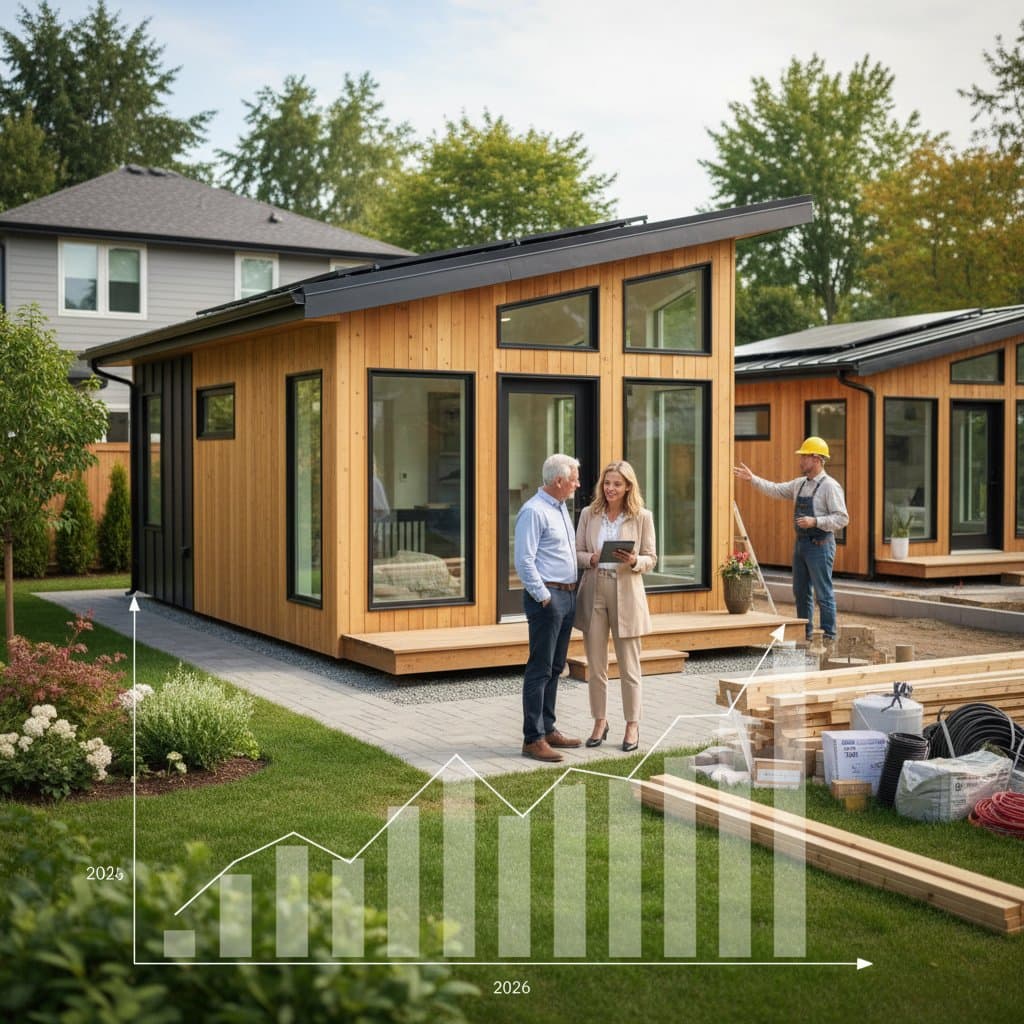
Home renovation expenses continue to increase, and backyard accessory dwelling units (ADUs) follow this trend. Factors such as tariff adjustments, evolving local zoning regulations, and limited contractor availability necessitate thorough preparation for granny pod construction. What appears as a modest backyard addition often evolves into a comprehensive endeavor involving permits, utility connections, and accessibility modifications.
For those considering a backyard ADU to accommodate family members, generate rental revenue, or provide future adaptability, grasping current market costs prevents unexpected challenges. This analysis outlines anticipated 2026 granny pod expenses, realistic timelines, and effective budgeting approaches suited to today's construction environment.
Factors Driving Rising Backyard ADU Costs
Prices for materials and labor fluctuate significantly. Tariffs on lumber and steel elevate framing expenses by approximately 10 to 15 percent. Prefabricated unit producers encounter elevated shipping costs, which ultimately impact homeowner budgets. Local authorities enforce stricter building codes, particularly regarding energy performance and accessibility standards.
The zoning and approval process often exceeds initial estimates. A project anticipated to span three months may extend to six due to requirements for enhanced insulation or adjusted setbacks. Homeowners benefit from adopting a conservative timeline and incorporating a budget contingency of at least 15 percent.
For a 2026 initiation, project an additional 5 to 8 percent rise in material costs prior to construction start. Securing orders in advance and obtaining fixed-price quotations mitigate risks of interruptions during the build.
Decision Framework: DIY Elements Versus Professional Expertise
Certain homeowners explore self-managed aspects of ADU development to reduce expenditures. While tasks like framing or painting may yield savings of several thousand dollars, attempting plumbing, electrical, or structural elements without certification proves inefficient. Jurisdictions mandate inspections for these components, and corrections following failures incur greater expenses than initial professional engagement.
Suitable DIY Tasks:
- Painting and trim installation
- Interior flooring placement
- Landscaping and exterior pathway development
Tasks Requiring Professionals:
- Electrical wiring and panel integration
- Plumbing connections to the primary residence
- Foundation and framing evaluations
For prefabricated or modular granny pods, on-site assembly seems straightforward, yet certified installation remains essential for secure anchoring and utility linkages. Specialists familiar with modular ADUs expedite inspections and avert delays that could add weeks to the schedule.
Obtain three complimentary estimates from regional contractors prior to selecting a design. This step reveals how local labor dynamics influence overall costs, with rates varying by up to 20 percent across markets.
Optimal Timing Strategies for Construction
Commencing in early spring minimizes disruptions from adverse weather and supply constraints. Contractors fill schedules rapidly, so reservations before mid-spring secure preferable labor pricing, potentially 10 percent below peak-season figures.
Prefab orders require attention to delivery schedules, as some suppliers maintain waitlists extending eight months. Initiate foundation preparation concurrently with production to maintain momentum.
Stick-built endeavors demand synchronized permit applications during design finalization. Delays in plan reviews commonly span four to six weeks. Early submissions position projects ahead of summer backlogs and ensure compliance with seasonal permitting windows.
Enhancing Energy Efficiency and Reducing Ongoing Expenses
Numerous regions mandate adherence to revised energy standards for ADUs. Initial investments in superior insulation and high-efficiency heating, ventilation, and air conditioning (HVAC) systems yield substantial long-term savings.
Installing a mini-split heat pump system ranges from $5,000 to $8,000 and reduces energy consumption by as much as 30 percent relative to traditional baseboard or window units. Incorporating LED lighting, low-flow plumbing fixtures, and Energy Star-rated appliances further decreases annual utilities by $400 to $600.
When designating the ADU for rental purposes, such improvements enhance tenant appeal and support premium leasing rates, often increasing monthly income by 15 to 20 percent.
Utilize utility-provided online calculators to estimate savings potential. Rebates for qualifying installations frequently cover up to 20 percent of upfront costs, accelerating payback periods to under five years.
Securing Financing for Your Granny Pod Project
Standard home improvement loans seldom suffice for full ADU funding. Homeowners typically pursue one of three avenues:
- Home Equity Line of Credit (HELOC): Offers draw flexibility, though rates depend on market conditions and credit profiles.
- Cash-Out Refinance: Ideal for those with significant equity seeking predictable monthly payments.
- Specialized ADU Loans: Certain credit unions provide products designed for accessory dwelling initiatives, often with favorable terms for income-generating properties.
If rental use is intended, incorporate forecasted revenues into financial planning. In suburban areas, a one-bedroom ADU generates $1,200 to $2,500 monthly, varying by locale and features, which can offset loan repayments within two to three years.
Sustaining Value Through Ongoing Maintenance
Post-completion, consistent care preserves the granny pod's performance and aesthetics. Clear gutters biannually, conduct annual roof assessments, and refresh HVAC filters seasonally to maintain efficiency.
Exterior repainting every seven to ten years shields against elemental damage. For rented units, perform annual checks on smoke alarms, ground fault circuit interrupter (GFCI) outlets, and plumbing integrity to ensure safety and habitability.
These proactive measures extend the structure's lifespan, minimize repair costs, and uphold property value, particularly in markets where ADUs contribute to overall estate worth by 10 to 15 percent.
Steps to Launch Your ADU Project Successfully
Begin by consulting local zoning guidelines to confirm feasibility. Assemble a team of vetted professionals and explore financing early to align resources with timelines. With strategic planning, a 2026 granny pod delivers enduring benefits, from family support to financial returns.