2025 Tax Incentives Elevate ADU Rental Potential
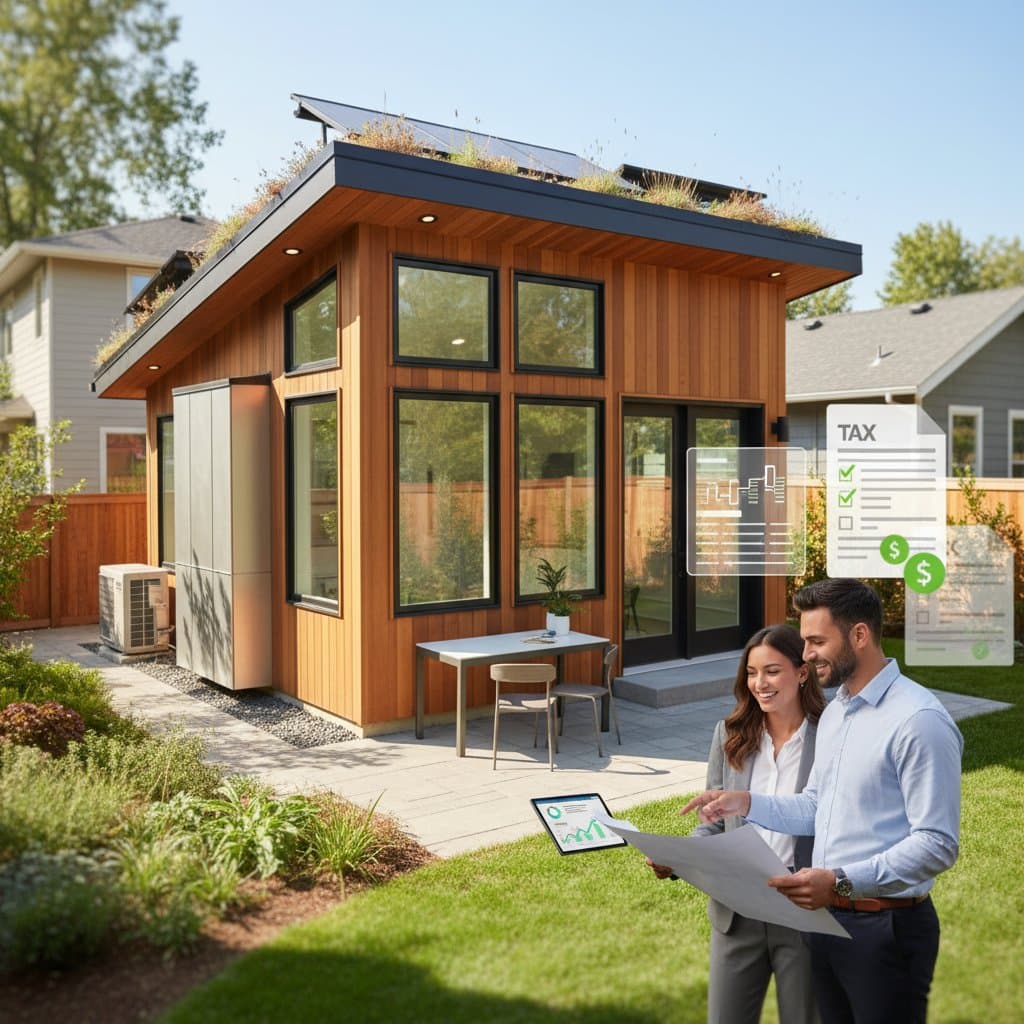
Building an accessory dwelling unit (ADU) stands out as a prudent financial decision for homeowners aiming to secure reliable rental income. Recent 2025 tax incentives have reshaped the financial landscape, favoring property owners who strategically plan their builds to capture optimal returns. Beyond immediate savings, these measures promote enduring fiscal advantages, enhanced market value, and alignment with evolving housing and energy standards.
Homeowners who integrate these incentives early in the planning phase often see their projects yield higher net income over time. For instance, combining tax benefits with efficient design choices can transform a standard ADU into a revenue-generating asset that appreciates alongside the primary residence. This approach not only offsets initial investments but also positions the property for future resale appeal in competitive markets.
Understanding ADU Tax Incentives: Mechanisms and Eligibility
Current tax programs incentivize ADU construction by offering rewards for designs that prioritize energy conservation, accessibility features, and dedicated rental applications. These initiatives advance affordable housing goals while encouraging sustainable practices. Property owners gain through direct deductions and credits that alleviate expenses on materials and installations, whereas local governments benefit from increased housing stock without the need for extensive new infrastructure.
Eligibility typically requires adherence to defined standards, such as incorporating specified technologies or obtaining certifications. Professionals recommend consulting tax advisors familiar with real estate to navigate these requirements effectively. By meeting these criteria, owners unlock benefits that extend across multiple fiscal years, creating a robust framework for profitability.
Three primary categories of incentives dominate the 2025 landscape:
-
Energy Efficiency Credits: These apply to ADUs equipped with advanced heating, ventilation, and air conditioning (HVAC) systems, superior insulation materials, and windows certified for energy performance. Credits can cover up to 30 percent of qualified costs, directly reducing outlays for eco-friendly upgrades.
-
Depreciation Deductions: When the ADU serves as a rental property, owners may depreciate its value over a 27.5-year period, lowering the taxable portion of rental earnings. This deduction applies to structural elements and certain improvements, providing annual tax relief that accumulates significantly.
-
Construction and Infrastructure Credits: Projects compliant with regional green building standards or those incorporating solar panels and energy storage solutions qualify for rebates. These can offset 10 to 20 percent of labor and material expenses, particularly for installations that enhance grid independence.
These categories often overlap, amplifying overall savings. Consider an ADU featuring a high-efficiency 17 SEER heat pump alongside an Energy Star-rated building envelope; such a setup may secure credits from both energy and construction categories, potentially saving thousands in the first year alone.
ADU Configurations: Balancing Efficiency, Cost, and Revenue
Selecting the right ADU type involves evaluating energy performance, construction expenses, and income potential. Each configuration offers unique advantages under the 2025 incentives, tailored to site constraints and owner objectives. Detached units, for example, excel in accessing premium energy credits due to their standalone design, while conversions leverage lower upfront costs.
The following table outlines key attributes for common ADU types:
| ADU Type | Energy Efficiency Features | Build Cost per Sq. Ft. | Projected Annual Rental Income | Maintenance Requirements |
|---|---|---|---|---|
| Detached Backyard ADU | Energy Star envelope, 15-17 SEER HVAC | $280 - $400 | $18,000 - $28,000 | Moderate |
| Attached Garage Conversion | 14-16 SEER HVAC, standard insulation | $150 - $250 | $12,000 - $20,000 | Low |
| Basement ADU | 13-15 SEER HVAC, advanced moisture barriers | $120 - $200 | $10,000 - $18,000 | Moderate |
Detached backyard ADUs command higher rental rates in suburban areas, justifying their elevated build costs through superior isolation and privacy. Garage conversions suit urban lots with limited space, benefiting from streamlined permitting processes that expedite project timelines. Basement options provide cost-effective entry points, especially when paired with dehumidification systems to ensure habitability.
Climate plays a pivotal role in selection; in warmer regions, prioritize cooling-efficient HVAC to maximize credit eligibility. Homeowners should assess local rental demand via market analyses to align the ADU type with revenue projections, ensuring the investment aligns with personal financial goals.
Financial Projections: Incentives in Action
ADU projects vary in initial investment, yet incorporating tax incentives dramatically alters the return profile. A mid-range $150,000 construction budget, for instance, might qualify for $15,000 to $22,500 in credits related to energy upgrades and solar integration. Layering in depreciation and ongoing deductions for upkeep, insurance, and utilities further optimizes cash flow.
This integration shortens the break-even period, often to seven to nine years, depending on rental occupancy and local rates. Owners who document all qualifying features meticulously stand to claim the full spectrum of benefits, turning potential tax liabilities into strategic advantages.
Compare scenarios with and without incentives:
| Expense/Income Category | Baseline (No Incentives) | Optimized (With Incentives) |
|---|---|---|
| Total Construction Cost | $150,000 | $127,500 (post-credits) |
| Yearly Rental Revenue | $20,000 | $20,000 |
| Adjusted Taxable Income (post-depreciation) | $17,000 | $14,000 |
| Break-Even Timeline | 12 years | 8 years |
High-performing ADUs that satisfy energy and rental stipulations consistently surpass basic builds in financial metrics. To refine these projections, utilize spreadsheets that factor in inflation, vacancy risks, and incentive phase-outs, providing a clear path to informed decision-making.
Implementing Your ADU Project: A Step-by-Step Guide
Transforming an ADU vision into reality demands systematic preparation. Begin with foundational evaluations to establish feasibility and compliance.
-
Perform Site-Specific Energy Audits: Engage certified assessors to evaluate current energy loads, soil conditions, and zoning limits. This step identifies HVAC sizing and insulation needs, ensuring designs qualify for maximum credits.
-
Examine Local and Federal Incentive Programs: Research jurisdiction-specific rebates alongside IRS guidelines. Focus on measures like LED lighting or low-flow fixtures that align with both tax rules and building codes.
-
Develop Detailed Financial Models: Project cash flows over 10-15 years, incorporating depreciation schedules, rental escalations, and maintenance reserves. Tools like Excel templates simplify sensitivity analyses for variables such as interest rates.
-
Select Qualified Professionals: Partner with contractors experienced in green certifications, capable of supplying affidavits for credit claims. Verify their track record with similar ADU projects to minimize delays.
-
Execute Verification and Certification: After completion, conduct professional inspections to confirm efficiency ratings. Obtain necessary documentation promptly to file taxes accurately and avoid audit complications.
Realizing Lasting Value from Your ADU Investment
A well-executed ADU extends far beyond rental income, fortifying overall property equity. Incentives not only curb costs but also future-proof the asset against rising energy prices and regulatory shifts. Homeowners who prioritize compliance and performance enjoy compounded benefits, from reduced operational expenses to heightened buyer interest upon resale.
In essence, 2025 presents a prime opportunity to capitalize on ADUs as versatile wealth-builders. By leveraging these tax advantages thoughtfully, individuals secure financial independence while contributing to community housing solutions. Start with a professional consultation to tailor this strategy to your unique circumstances and unlock the full potential of your property.