Understanding the 2026 Cost Landscape for Aging-in-Place Bathroom Retrofits
Homeowners committed to aging comfortably in place encounter escalating challenges in bathroom remodeling. Supply chain disruptions intensify, complicating access to specialized accessibility materials. For those aiming to enhance long-term safety and independence, grasping the evolving cost dynamics proves essential alongside thoughtful design choices.
From personal experience overseeing two accessibility remodels, the initial price tags can overwhelm. Yet these investments extend beyond immediate safety. They elevate daily comfort, safeguard property equity, and minimize future healthcare outlays.
Factors Driving the 40% Cost Increase
Material expenses rise universally, particularly for plumbing fixtures, waterproof flooring, and stainless steel grab bars. Tariffs on imported tiles and hardware elevate prices further. Local contractors face heightened demand amid labor shortages, inflating installation fees by 10 to 15 percent.
Anticipate these shifts in your planning. A remodel previously budgeted at $12,000 could now reach $17,000, varying by location and project scale. Fortunately, numerous accessibility enhancements qualify for rebates and tax credits, which can offset a significant portion of the total.
Insights from Actual Renovation Projects
During the retrofit of my parents' bathroom, labor costs for specialized contractors emerged as the primary unexpected expense. Professionals versed in accessible designs maintain schedules booked months in advance, with rates mirroring this scarcity. Booking early secured favorable pricing and ensured timely completion.
Product durability presented another key insight. Budget grab bars succumb to corrosion in steamy conditions. Opting for marine-grade stainless steel versions enhanced longevity and justified the modest premium.
Timing Strategies to Manage Expenses
Schedule your bathroom retrofit mid-year to capitalize on contractor availability following peak spring periods. Suppliers frequently clear inventory at reduced rates ahead of new arrivals.
Address potential material delays by ordering fixtures promptly and securing storage. Preparedness avoids charges for contractor downtime during shipment waits.
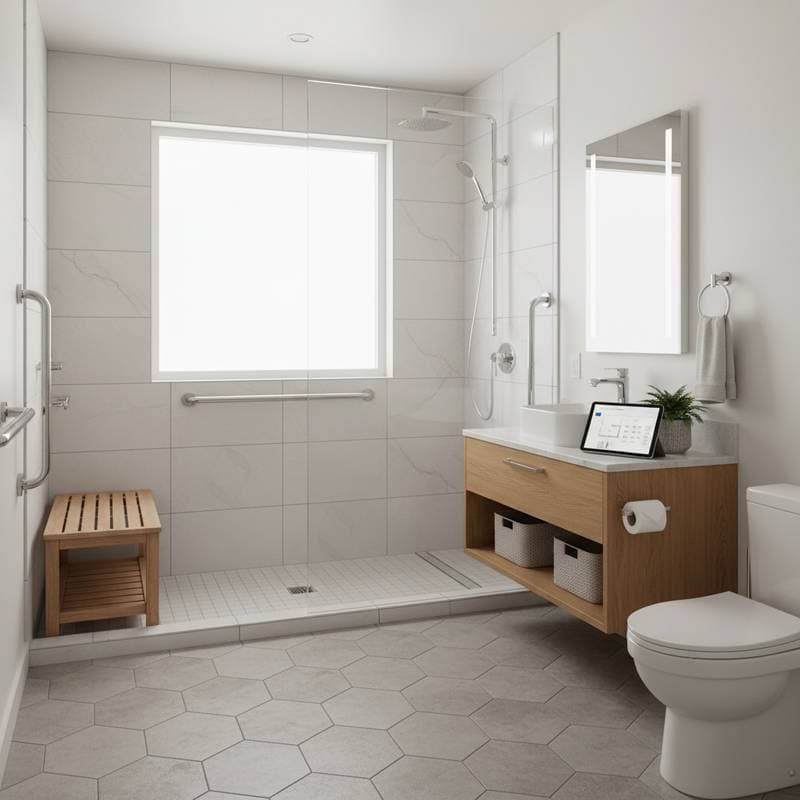
Implement phased upgrades for budget control. Prioritize essentials such as grab bars, improved lighting, and slip-resistant flooring. Incorporate enhancements like heated floors or tailored cabinetry in subsequent stages as funds permit.
Financial Returns and Enduring Benefits
Aging-in-place bathroom modifications yield tangible financial and personal rewards. Properties featuring accessibility elements appeal strongly to prospective buyers. In communities prioritizing senior living, real estate experts project resale value increases of 8 to 12 percent.
Energy-saving features, including LED lighting, low-flow faucets, and efficient toilets, lower utility bills by 10 to 20 percent. These adaptations promote sustained independence, potentially postponing assisted living transitions that incur thousands in monthly fees.
The true value lies in enhanced security, ease, and reassurance for daily routines.
Pitfalls to Steer Clear Of in Your Project
- Overlooking permits. Minor plumbing alterations may necessitate official reviews. Consult your local building authority beforehand.
- Prioritizing aesthetics over functionality. Polished tiles offer visual appeal but pose slip hazards. Select textured surfaces for reliable grip.
- Neglecting illumination. Poor lighting fosters shadows and glare, heightening fall dangers. Install multi-level options with motion-activated sensors for nighttime navigation.
- Underestimating spatial needs. Accommodate wheelchairs or walkers with a minimum five-foot turning circle. Verify measurements prior to fixture purchases.
- Failing to contain mess. Construction debris travels easily. Isolate work areas and deploy air purification systems.
Preserving Your Retrofit Investment
- Examine grab bars and their anchors biannually for stability and rust.
- Maintain non-slip floors using mild, non-abrasive solutions to retain effectiveness.
- Renew deteriorated caulk or grout swiftly to avert water damage and mildew.
- Verify lighting and exhaust systems periodically for optimal air circulation and sightlines.
Steps to Launch Your Remodel Successfully
Begin by categorizing essential versus optional elements in your aging-in-place bathroom plan. Solicit multiple quotes, verify contractor credentials through references, and insist on detailed breakdowns distinguishing materials from labor.
With costs confirmed, procure materials ahead of schedule and align on delivery expectations. Establish delay contingencies with your chosen team.
Locate certified specialists in accessibility renovations within your region. A competent crew ensures equilibrium among safety, usability, and market appeal without exceeding financial limits.
Aging-in-place bathroom updates demand substantial upfront commitment. Through meticulous preparation, forthright financial oversight, and astute scheduling, transform your space into a durable haven fostering comfort and autonomy for years ahead.