Understanding Permit Requirements for Home Upgrades
Homeownership brings the opportunity to personalize your living space. However, navigating building regulations ensures that modifications remain legal and safe. This guide outlines projects typically exempt from permits across states, helping you avoid fines and future issues during property sales.
Key Principles of Permit-Free Work
Building permits regulate changes that impact a home's structural integrity, electrical systems, plumbing, or fire safety. Permit-free projects generally involve cosmetic or minor maintenance tasks that do not alter these elements. Regulations stem from state building codes, often based on national standards like the International Residential Code, but local jurisdictions may impose variations.
Homeowners should verify rules through their city's building department. For instance, what qualifies as minor in one area might require oversight in another. This step prevents unexpected stop-work orders or retroactive compliance costs.
Typical Permit-Exempt Improvements
Most states permit certain low-risk enhancements without formal approval. These activities focus on aesthetics and basic functionality. Below is a list of common examples:
- Interior and exterior painting or wallpapering, provided no surface alterations occur
- Flooring replacements, such as installing carpet, laminate, or vinyl over existing subfloors
- Adding or replacing baseboards, crown molding, or door casings without structural modifications
- Swapping out light fixtures or ceiling fans, assuming no new wiring or circuit changes
- Updating kitchen or bathroom faucets, showerheads, or cabinet hardware without pipe relocations
- Minor landscaping, including raised garden beds under 18 inches high or fences below 6 feet in backyard areas
These projects allow for creativity while maintaining compliance. They often require basic tools and can complete in a weekend, yielding immediate visual and functional benefits.
When Projects Demand Permits
Certain modifications trigger mandatory reviews to ensure safety and code adherence. Structural alterations, such as removing or adding load-bearing walls, always necessitate permits and professional engineering input. Electrical work beyond simple fixture swaps, like installing new outlets or panels, requires licensed electricians and inspections.
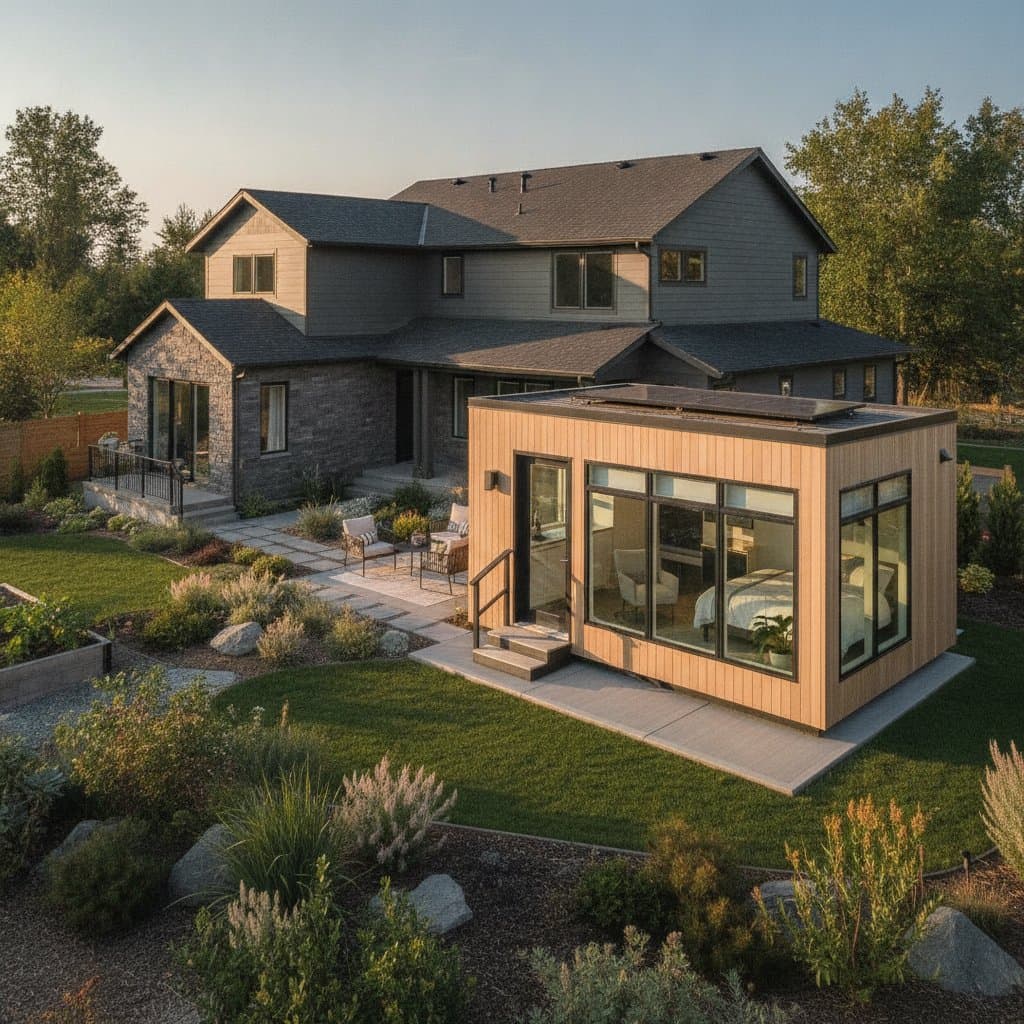
Plumbing changes, including adding sinks or relocating lines, fall under similar scrutiny. Outdoor additions like decks over 200 square feet, sheds exceeding 120 square feet, or roof replacements typically need approval. Window or door installations that resize openings also qualify as structural, demanding permits to verify energy efficiency and stability.
Homeowners often overlook these thresholds during planning. Consulting local codes early identifies requirements and connects you with approved contractors if needed.
Deciding Between DIY and Professional Help
Simple tasks suit DIY efforts, building skills and saving costs. Painting a single room or laying peel-and-stick tiles involves minimal risk and tools like brushes, rollers, or utility knives. Document your process with photographs and receipts to demonstrate compliance if questions arise later.
For projects nearing permit boundaries, professional involvement becomes essential. Electricians handle wiring safely, plumbers ensure leak-proof installations, and contractors navigate codes for structural work. Hiring experts reduces liability, qualifies for warranties, and supports insurance coverage in case of incidents.
Assess your experience level honestly. If uncertainty exists, prioritize safety over savings. Local building departments often provide free advice on classification.
Cost-Effective Strategies Within Regulations
Permits add expenses through fees, inspections, and delays, sometimes totaling hundreds of dollars. Opt for exempt alternatives to achieve similar results affordably. Consider battery-operated LED lighting strips for ambiance without electrical alterations, or modular shelving systems that assemble without wall penetration.
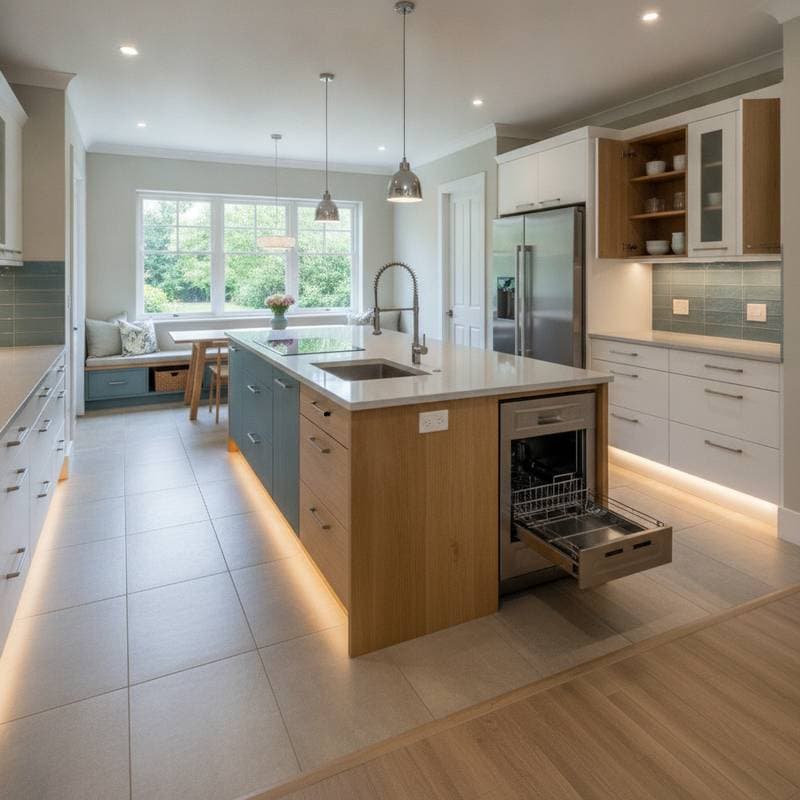
In kitchens, adhesive backsplashes or countertop overlays refresh surfaces permit-free. For bathrooms, freestanding vanities or tension-rod curtains update styles efficiently. Always prepare workspaces by shutting off utilities and wearing protective equipment like dust masks and safety glasses.
These approaches maximize impact with limited budgets. They also preserve home equity by avoiding unpermitted work that could complicate appraisals or sales.
Steps to Plan Compliant Home Enhancements
Begin by researching your locality's building code online or via phone consultation. Map out your project scope, distinguishing exempt tasks from those needing approval. Gather materials suited to DIY, such as low-VOC paints for health-conscious interiors or weather-resistant exterior stains.
Schedule work during favorable seasons to minimize disruptions. After completion, update your home maintenance log with details for records. This practice not only safeguards your property but also enhances its marketability.
Through informed choices, homeowners transform spaces effectively. These efforts increase comfort, curb appeal, and long-term value while upholding legal standards.