DIY vs Professional Solar Shingles: A 2026 Cost Analysis
Jessica and Mateo purchased a ranch-style home in North Carolina that charmed them in most ways, yet the roof presented a clear drawback. The aging surface absorbed excessive heat and offered no energy benefits. Solar shingles emerged as an appealing solution, blending modern aesthetics with functional power generation. However, the choice between a do-it-yourself approach and professional installation involves more than initial expenses; it requires evaluating skills, risks, and long-term reliability.
This analysis examines the financial and operational aspects of solar shingle installations. Homeowners will find detailed cost estimates, material breakdowns, warranty considerations, and practical trade-offs. The goal is to equip readers with the knowledge needed to select an option that aligns with their budget and comfort level.
The Starting Point: Roofs Without Rewards
Traditional roofs serve a basic purpose: they shelter homes from the elements. Jessica's roof fulfilled this role adequately, but it contributed to higher cooling costs during hot summers. Solar shingles transform this passive structure into an active energy producer, integrating photovoltaic technology directly into the roofing material.
Initial research into DIY kits appears straightforward, with attractive pricing and included components. Deeper investigation reveals complexities such as securing electrical permits, performing load-bearing assessments, and adhering to fire safety regulations. These factors often deter those without prior experience in construction or electrical work.
Breaking Down Solar Shingle Expenses
Solar shingles merge durable roofing with solar cells, eliminating the need for separate panels. Pricing varies based on manufacturer quality, energy output, and the intricacies of the home's roof design. For context, a typical system generates electricity through thin-film or crystalline cells embedded in each shingle.
Material costs provide a foundational estimate:
- Mid-range solar shingles: $3 to $5 per watt
- Premium integrated options: $6 to $8 per watt
- Conventional asphalt shingles: $1 to $2 per square foot
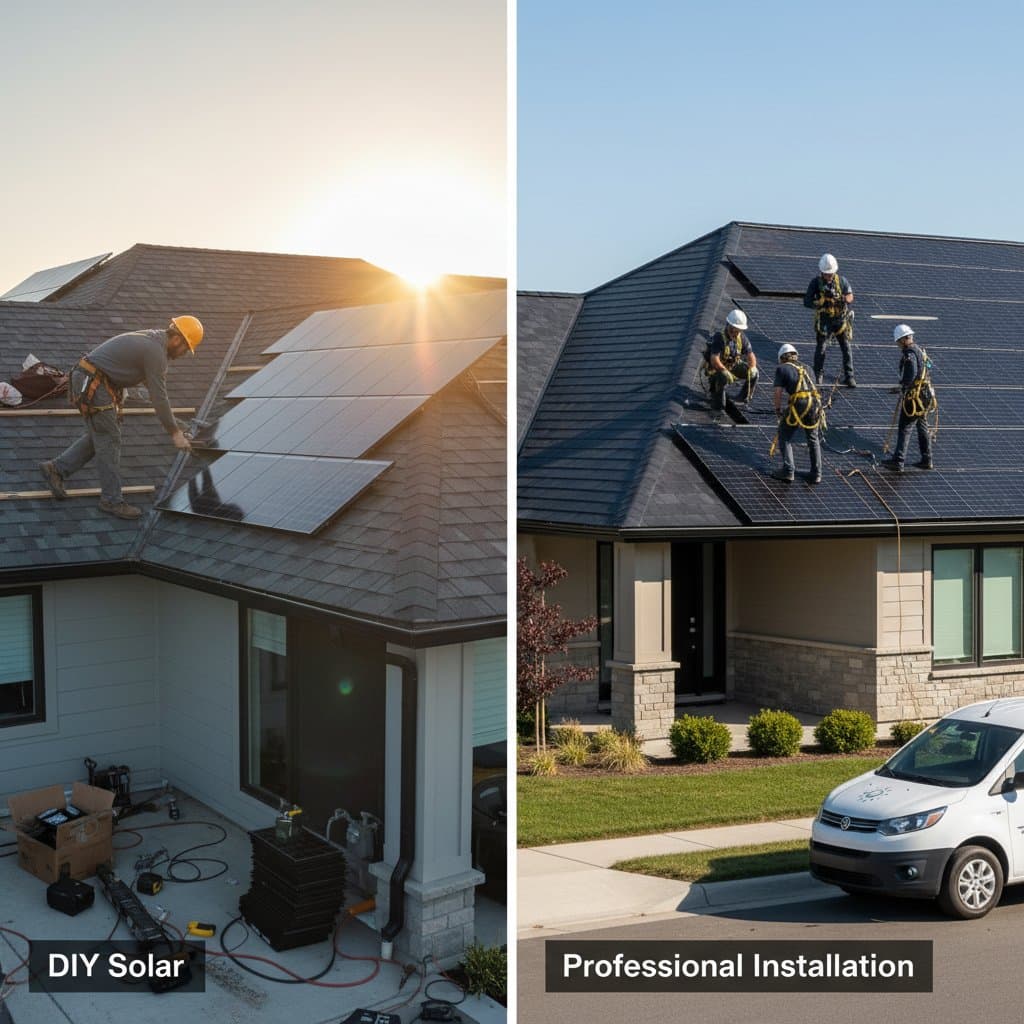
A 2,000-square-foot roof generally requires a 6 to 10 kilowatt system to meet average household needs. The following table outlines total project costs, factoring in essential elements.
| Installation Type | Estimated Cost Range | Key Inclusions |
|---|---|---|
| DIY Solar Shingle Kit | $14,000 - $22,000 | Materials, inverter, basic mounting hardware |
| Professional Installation | $25,000 - $40,000 | Materials, skilled labor, permits, inspections, full warranty |
These figures assume a standard residential setup in 2026, adjusted for inflation and technology advancements. DIY savings stem from avoiding labor fees, yet they demand significant time investment.
Benefits of Professional Installation
Engaging certified professionals transfers responsibility for accuracy and safety. Experts conduct thorough site evaluations, from roof integrity to optimal panel orientation. Their involvement minimizes errors that could compromise performance or void manufacturer guarantees.
Core Advantages
- Optimized System Design: Layouts maximize solar exposure and ensure even energy distribution across the array.
- Comprehensive Warranties: Providers typically extend 20- to 25-year guarantees, contingent on certified installation.
- Regulatory Adherence: Licensed teams manage grid interconnections and local codes, reducing legal risks.
- Efficiency in Execution: Projects complete in a few days, avoiding prolonged disruptions.
Professionals often unlock enhanced incentives, such as utility rebates or low-interest loans. Net metering programs, which credit excess power to the grid, frequently mandate professional documentation. The result is a seamless integration that enhances home value and curb appeal, with precisely aligned shingles and professional-grade flashing.
Potential Additional Expenses
Beyond base costs, unforeseen elements can arise during any installation.
- Roof Strengthening: Older structures may require bracing to support the added weight of solar components.
- Electrical System Updates: Installations might necessitate a upgraded breaker panel or improved grounding.
- Permitting Hurdles: Incomplete applications delay DIY efforts, potentially incurring fines.
- Policy Changes: Homeowners insurance may adjust premiums and demand proof of compliant work.
Anticipating these through pre-project consultations helps control budgets. Professionals excel at identifying and addressing them upfront.
Maintaining Solar Shingle Performance
Post-installation care for solar shingles remains minimal. Natural rainfall cleans the surface, while integrated monitoring apps notify owners of any efficiency declines. Regular professional inspections every three to five years ensure seals remain intact and output stays optimal.
DIY enthusiasts gain hands-on familiarity with their setup, fostering a sense of accomplishment. Professional routes provide assurance through expert oversight and compliance verification. Each path offers distinct rewards, depending on individual priorities.
Questions to Guide Your Decision
To determine the right approach, consider these targeted inquiries:
- Do technical expertise and available time support a safe, self-managed roof installation?
- Does the upfront savings justify potential losses in warranty protection and system efficiency?
- How does the chosen method influence long-term home equity and energy independence?
Responses to these questions clarify whether DIY innovation or professional reliability best serves your circumstances.
Steps to Select and Install
Begin by assessing your roof's condition through a structural review. Compare quotes from multiple suppliers, focusing on output ratings and durability specs. For DIY, acquire comprehensive guides on safe handling and local regulations. Professionals should provide detailed proposals outlining timelines and guarantees.
Federal tax credits, such as the 30% solar investment allowance, apply to both methods if standards are met. Track energy production via utility bills to measure returns, often recouping costs within 7 to 10 years. This strategic choice not only lowers expenses but also advances sustainable living for your household.