DIY Home Upgrades That Skip the Permit Process
Homeowners often seek ways to enhance their living spaces without navigating complex bureaucratic requirements. Certain upgrades qualify as permit-free, allowing individuals to proceed with confidence while adhering to safety standards. This guide explores practical projects suitable for 2026, focusing on those that improve functionality, aesthetics, and property value.
Understanding Permit-Free Projects
Local building codes vary, but many jurisdictions exempt minor interior and exterior modifications from permit requirements. These typically include cosmetic changes and low-impact structural adjustments that do not alter the home's core systems. Before starting any project, consult your local building department to confirm exemptions, as rules can differ by location and evolve over time.
Projects remain permit-free when they avoid load-bearing modifications, electrical rewiring, or plumbing relocations. Emphasize safety by following manufacturer guidelines and industry best practices. Such upgrades not only save time and money but also empower homeowners to personalize their environments effectively.
Interior Painting and Wall Treatments
Refreshing interior walls stands as one of the simplest permit-free upgrades. Select low-VOC paints to minimize health risks and ensure proper ventilation during application. Begin by preparing surfaces: clean thoroughly, repair cracks with spackle, and apply primer for even coverage.
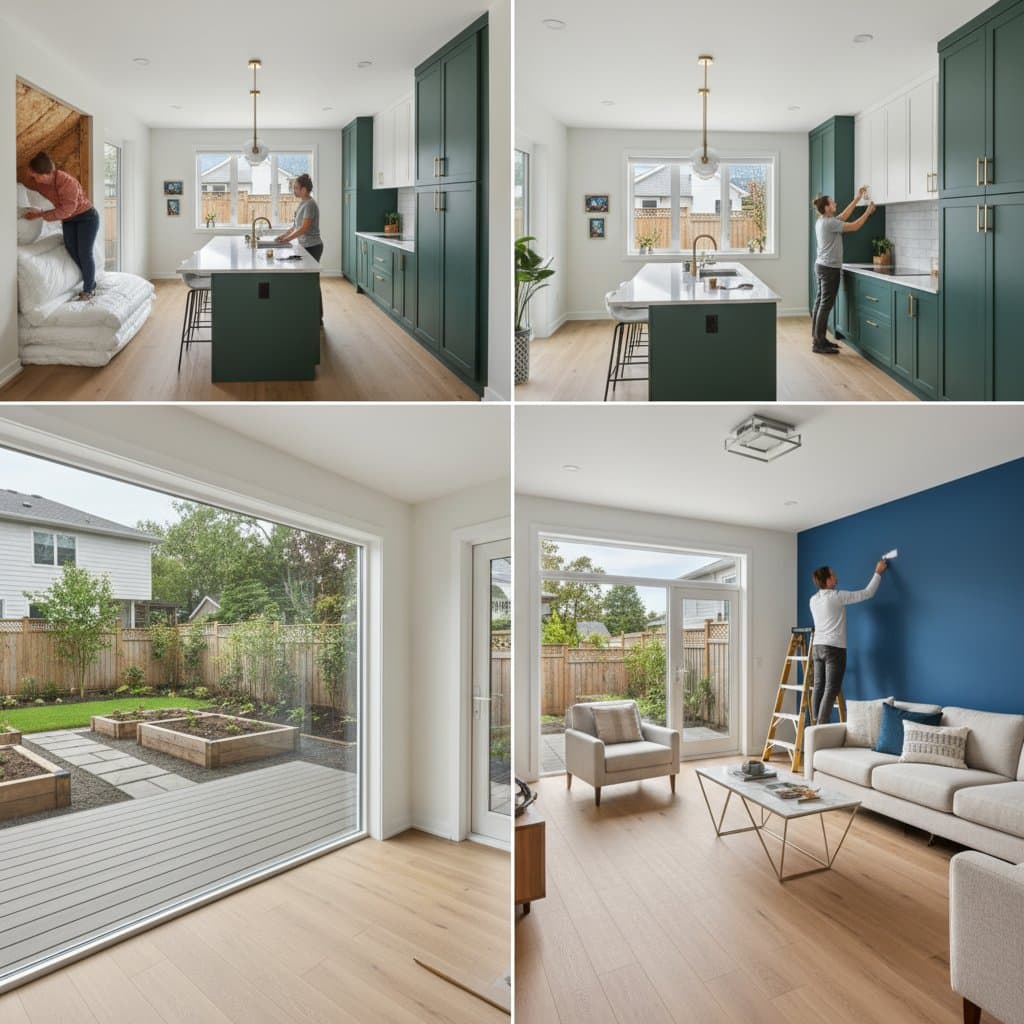
Choose colors that complement existing decor and enhance room moods; for instance, soft neutrals promote calm in bedrooms. Use quality brushes and rollers for professional results, working in sections to avoid lap marks. This project typically costs under $500 for a standard room and yields immediate visual impact.
Wallpaper installation offers another option for texture and pattern. Opt for peel-and-stick varieties that require no adhesive mess. Measure walls precisely, align seams carefully, and smooth bubbles as you go. These treatments boost personality without permanent commitment.
Flooring Replacements and Refinishing
Updating flooring provides a significant refresh without permits, provided you avoid subfloor alterations. Laminate or vinyl plank options install via click-lock systems over existing surfaces, making them ideal for DIY enthusiasts. Measure the space accurately, acclimate materials to room conditions, and use a tapping block for secure joints.
For hardwood floors, refinishing restores shine without replacement. Sand lightly to remove old finish, then apply stain and polyurethane in thin coats. Allow ample drying time between layers to prevent adhesion issues. This approach extends floor life and enhances warmth underfoot.
Area rugs serve as a budget-friendly alternative, adding color and cushioning. Select durable, stain-resistant materials for high-traffic zones. Professional cleaning every six months maintains appearance and longevity.
Insulation Enhancements
Adding insulation to attics or walls qualifies as permit-free in most areas, as it improves energy efficiency without structural changes. Focus on accessible spaces like attics, where blown-in cellulose or fiberglass fills gaps effectively. Wear protective gear to avoid irritation from fibers and dust.
Assess current insulation levels with a simple depth check; aim for R-38 in attics for optimal performance in varied climates. Seal air leaks around windows and doors with weatherstripping before insulating. These steps reduce heating and cooling costs by up to 20 percent annually.
For walls, use foam board inserts in accessible cavities, such as behind baseboards. This method targets drafts without invasive work. Monitor for moisture buildup to prevent mold growth.
Landscaping and Exterior Touches
Outdoor enhancements like planting gardens or installing mulch transform curb appeal effortlessly. Permits rarely apply to non-structural landscaping under 2026 guidelines. Start with soil testing to select suitable plants, ensuring they thrive in local conditions.
Create raised beds using untreated lumber or stone for vegetable gardens. Space plants according to mature sizes to promote healthy growth. Mulch suppresses weeds and retains soil moisture, reducing maintenance needs.
Exterior painting on non-structural elements, such as trim or fences, proceeds without oversight. Power wash surfaces first, then apply exterior-grade paint with mildew-resistant additives. Choose shades that harmonize with neighborhood aesthetics to elevate property appeal.
Minor Lighting and Fixture Updates
Swapping out light fixtures and adding recessed lighting often evades permit requirements if no new wiring occurs. Use plug-in or battery-operated options for flexibility. For hardwired changes, ensure compatibility with existing setups and turn off power at the breaker.
Install dimmer switches on surface-mounted boxes to control ambiance. LED bulbs offer energy savings and longevity, lasting up to 25,000 hours. These upgrades brighten spaces and modernize interiors subtly.
Window treatments like curtains or blinds adjust light and privacy without permits. Measure windows precisely for custom fits, using tension rods for easy installation. Blackout fabrics enhance sleep quality in bedrooms.
Ensuring Safety and Compliance
Even permit-free projects demand attention to safety protocols. Use tools rated for the task, such as stable ladders for overhead work, and work with a partner for heavy lifts. Follow OSHA guidelines for personal protective equipment, including gloves and goggles.
Check for hazards like asbestos in older homes before disturbing materials; professional testing provides peace of mind. Document progress with photos to track compliance. These practices prevent accidents and preserve warranty coverage.
Stay informed on code updates through municipal websites. Simple projects build skills progressively, fostering long-term home maintenance confidence.
Maximizing Benefits from Your Upgrades
These permit-free initiatives deliver tangible returns, from increased comfort to higher resale values. Painting and flooring alone can yield 100 percent return on investment, according to industry estimates. Prioritize projects aligning with personal needs and budget constraints.
Track expenses to evaluate cost savings versus professional services. Regular maintenance extends upgrade longevity, ensuring sustained enjoyment. Embrace these opportunities to craft a home that reflects your vision while respecting regulatory boundaries.