Essential Spring Roof Inspection Steps
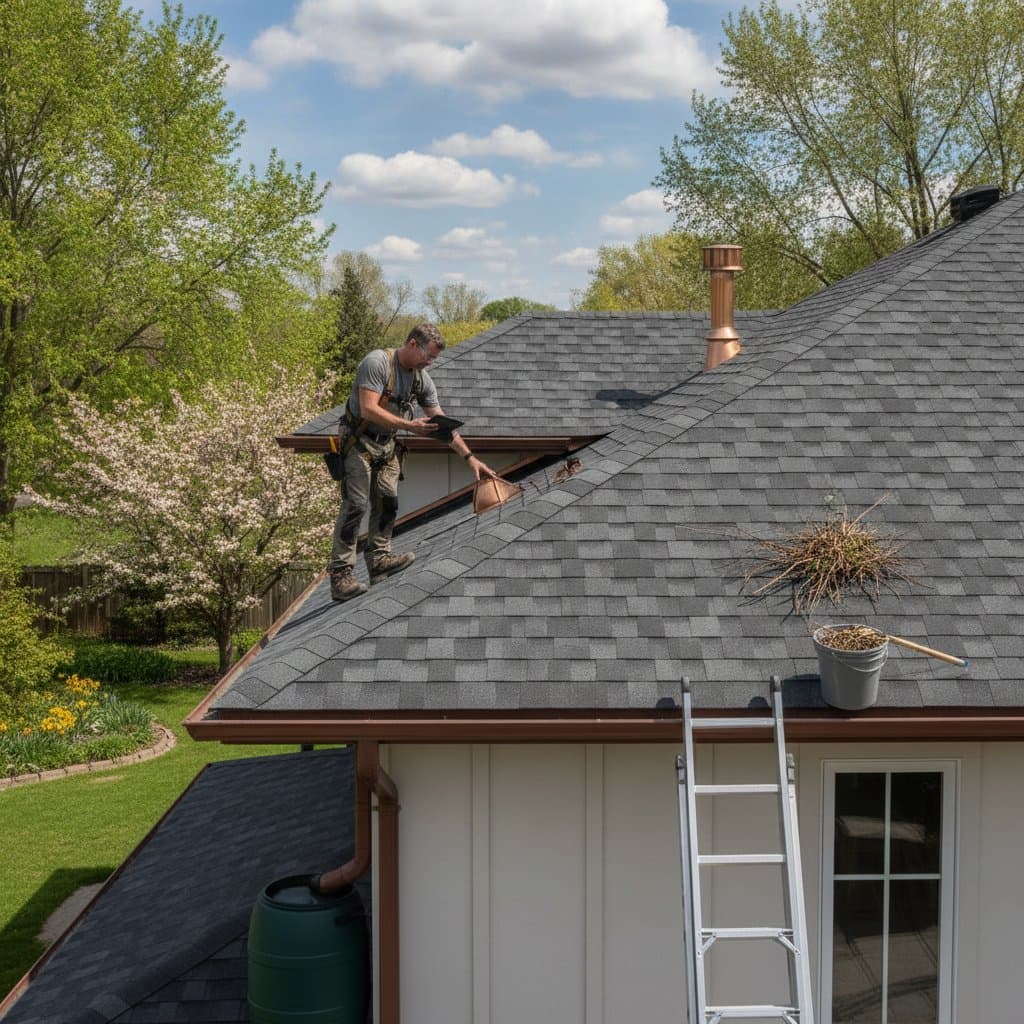
- Examine shingles for cracks, curling, or missing pieces using binoculars from the ground.
- Clear gutters and downspouts of debris to ensure proper water flow.
- Inspect flashing around chimneys, vents, and skylights for gaps or rust.
- Check attic insulation and ventilation for signs of moisture or poor airflow.
- Look for interior ceiling stains that indicate hidden leaks.
- Trim overhanging tree branches that could scrape or drop debris on the roof.
- Verify that downspouts extend at least six feet from the foundation.
Your roof shields the home from wind, rain, and debris throughout the year. Spring brings warmer temperatures along with sudden storms that expose weaknesses in roofing materials. A thorough inspection at this time allows homeowners to address minor problems before they develop into leaks or structural issues.
Importance of Addressing Winter Damage Early
Winter conditions often create hidden problems such as cracked shingles, clogged drainage paths, and loosened seals. These defects permit water intrusion once heavy rains begin, which leads to wood rot and insulation failure. Consistent spring checks extend the service life of roofing systems and lower the risk of unplanned repair expenses. Proper maintenance also supports better energy performance by reducing drafts and moisture accumulation.
Distinguishing Safe Homeowner Tasks from Professional Work
Homeowners can perform several basic evaluations without specialized equipment. Professional involvement becomes necessary when access requires ladders on steep surfaces or when structural concerns appear.
Tasks Suitable for Homeowners
- Remove leaves and twigs from accessible gutter sections.
- Scan visible roof areas for displaced shingles.
- Note any water marks on attic walls or ceilings.
- Confirm that exterior drainage directs water away from the house.
Tasks Requiring Licensed Roofers
- Replace damaged flashing or individual shingles on multi-story homes.
- Assess decking for softness or sagging.
- Measure attic airflow and insulation depth.
- Apply sealants to complex roof junctions.
Contractors supply written reports and often include follow-up visits in service agreements. Many offer seasonal packages that cover both spring and fall visits at a reduced rate.
Effects of Seasonal Weather on Roofing Materials
Intense rainfall reveals seams that have separated over time. Hail creates surface dents that shorten shingle life. Strong winds pry up edges and scatter branches across the roof plane. Repeated freeze and thaw cycles cause expansion and contraction that opens small gaps in seals and fasteners. Early detection through inspection permits repairs during milder weather.
Additional Preparations Around the Property
Roof performance improves when surrounding elements receive attention. Fasten loose outdoor items that could become projectiles. Evaluate nearby trees for dead limbs that might fall during high winds. Confirm that soil grading slopes away from the foundation to prevent pooling. Residents in hail-prone regions benefit from discussing impact-rated shingles or upgraded underlayment with a qualified installer.
Taking Action Before Peak Storm Season
Regular spring evaluations form a practical routine that safeguards the structure and its contents. Homeowners who complete the listed checks and arrange professional service where needed reduce the likelihood of emergency interventions. Consistent attention to drainage, seals, and surrounding vegetation keeps the roof functional through summer and fall weather events.