Understanding the Value of Soundproofing in Today's Homes
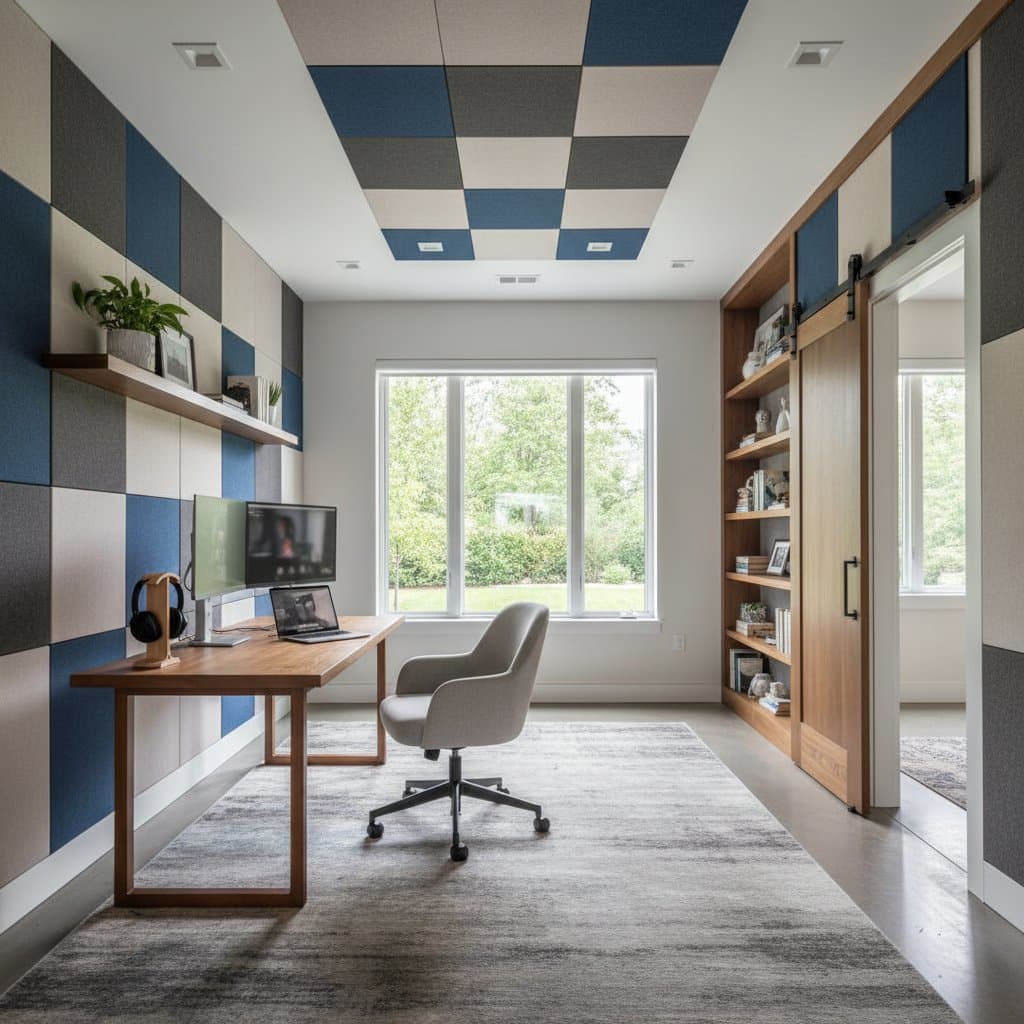
Remote work has transformed how people use their living spaces, making quiet environments essential for productivity and well-being. Soundproofing addresses this need by reducing unwanted noise from traffic, neighbors, or household activities. Homeowners who invest in these upgrades often see a measurable increase in property appeal, with experts estimating an 8% rise in overall value.
This boost arises from the functional enhancements soundproofing provides, such as dedicated quiet zones for work or rest. Buyers in competitive markets prioritize homes that support modern lifestyles, including seamless remote setups. As a result, soundproofed properties stand out, offering both immediate usability and long-term financial returns.
Optimal Timing for Soundproofing Projects
Supply chain challenges persist in the construction industry, so planning ahead ensures smoother execution and better pricing. Contractors advise scheduling interior soundproofing during spring or fall seasons. These periods see lower demand for related services like HVAC installations, which allows for more availability and potentially reduced rates.
Winter poses challenges for many projects due to temperature fluctuations that affect material performance. Drywall compounds and adhesives require stable conditions to cure properly, and cold weather can extend timelines by days or weeks. If your project area remains warm and accessible, winter work becomes feasible, but assess site conditions first.
For multi-room renovations, prioritize high-impact areas like home offices or bedrooms. Completing these spaces first yields quick improvements in daily comfort and positions the home favorably for future sales. After initial successes, expand to shared walls or media rooms based on ongoing noise assessments.
Calculating Return on Investment and Daily Benefits
Soundproofing delivers returns beyond financial metrics; it enhances everyday living quality. Remote workers report higher focus levels in isolated offices, while families experience fewer interruptions during study or relaxation times. These improvements reduce stress and foster better household dynamics.
Appraisers treat soundproofed rooms as premium features, comparable to updated kitchens or efficient insulation systems. The 8% value increase reflects a combination of tangible upgrades and buyer perceptions of added utility. Properties with these enhancements often attract offers from professionals seeking turnkey remote work solutions.
For sellers planning to list within five years, soundproofing elevates the home into premium price brackets. Long-term residents benefit from sustained mental health gains through reduced noise exposure. Studies link quieter environments to improved sleep and concentration, amplifying the project's worth over time.
Step-by-Step Guide to Implementing Soundproofing
Begin by identifying specific noise sources in your home. Conduct a simple audit: note external sounds like street traffic or internal ones such as footsteps and conversations. This targeted approach ensures solutions address root issues rather than applying broad fixes.
Establish a budget aligned with your home's size and needs. A standard professional retrofit for a 150-square-foot office typically costs $5,000, covering materials like mass-loaded vinyl barriers and acoustic sealants. Factor in additional expenses for demolition or finishing touches, aiming for 10-15% contingency.
Choose between DIY and professional options based on complexity. Simple additions, such as weatherstripping doors or installing foam panels, suit beginners and cost under $500. For comprehensive wall assemblies involving resilient channels and double drywall layers, hire specialists to guarantee effectiveness and code compliance.
Select materials suited to your goals: use dense barriers for low-frequency sounds like bass or traffic, and absorptive panels for echoes in open areas. Test small sections before full commitment to verify noise reduction levels. Integrate smart features, like automated blinds for light control, to create multifunctional quiet zones.
Long-Term Advantages for Homeowners and Buyers
Soundproofing investments compound over time, supporting evolving family needs in a post-pandemic world. As remote work solidifies, homes with built-in quiet spaces command higher rents or sale prices. This upgrade future-proofs properties against shifting market demands for adaptable living areas.
Buyers appreciate the privacy and versatility soundproofing offers, from professional calls to family movie nights. Sellers gain a competitive edge by highlighting these features in listings, backed by before-and-after noise demonstrations. Ultimately, the project balances immediate tranquility with enduring economic value.