Introduction to Efficient Bathroom Upgrades
Bathroom renovations offer opportunities to improve daily comfort while addressing rising utility costs and home market demands. In 2026, focus on fixtures and systems that prioritize water conservation, energy savings, and durability. These investments not only lower monthly bills but also appeal to eco-conscious buyers, potentially increasing resale value by 5 to 10 percent according to industry trends.
Selecting the right components requires understanding how each contributes to overall efficiency. Low-flow fixtures reduce water usage without sacrificing performance, while smart technologies integrate seamlessly for optimal results. Homeowners who choose wisely see immediate benefits in reduced consumption and long-term gains in property equity.
Essential Fixtures for Water and Energy Savings
Start with core fixtures that target high-consumption areas. Faucets and showerheads account for nearly 70 percent of household water use, making them prime candidates for upgrades.
Low-Flow Showerheads and Faucets
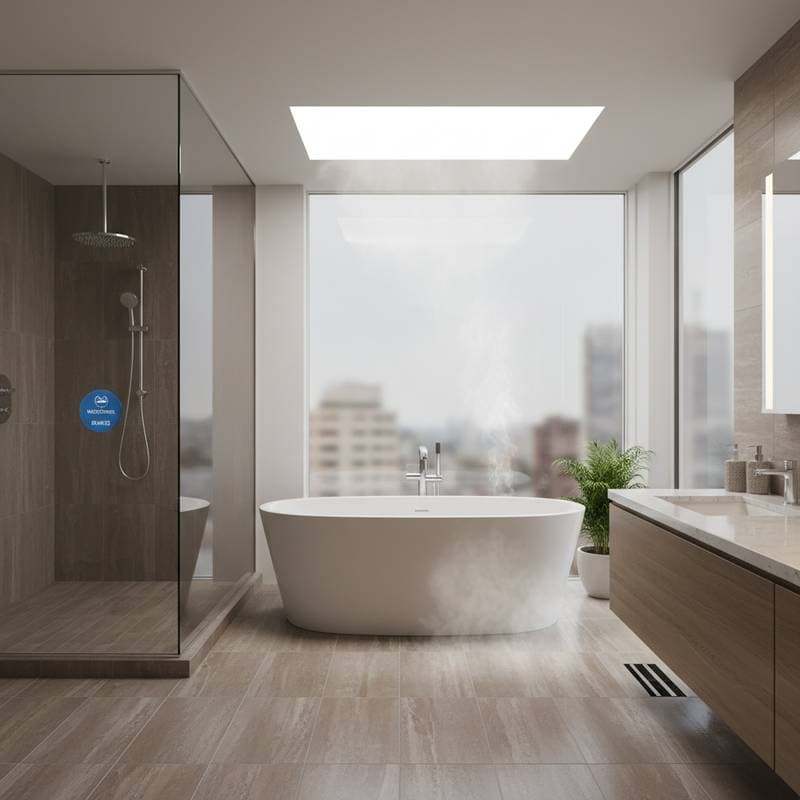
Install WaterSense-labeled showerheads that limit flow to 2.0 gallons per minute. These models maintain strong pressure through aerated streams, ensuring a satisfying shower experience. Pair them with touchless faucets equipped with motion sensors to prevent drips and encourage mindful usage.
For toilets, opt for dual-flush models that use 1.28 gallons per flush or less. These systems separate liquid and solid waste for customized water volume, cutting usage by up to 30 percent in multi-person households. Look for vitreous china construction to resist stains and ensure longevity.
Efficient Sinks and Bathtubs
Choose undermount sinks made from solid surface materials like cultured marble, which resist scratches and harbor fewer bacteria. Integrate them with low-flow aerators on faucets to further minimize waste. For bathtubs, consider alcove models with built-in overflow drains and eco-friendly acrylic finishes that retain heat longer, reducing the need for reheating water.
Advanced Systems for Comfort and Durability
Beyond basic fixtures, incorporate systems that enhance functionality and appeal.
Radiant Floor Heating and Lighting
Hydronic radiant floor heating uses PEX tubing under tile to circulate warm water efficiently, consuming 25 to 50 percent less energy than traditional forced-air systems. Select programmable thermostats to schedule warmth for mornings and evenings, aligning with usage patterns.
LED lighting fixtures provide bright, even illumination with minimal energy draw. Recessed cans and vanity strips in cool white tones (4000K) improve visibility for grooming tasks. Dimmable options allow customization, extending bulb life to 25,000 hours or more.
Ventilation and Moisture Control
High-efficiency exhaust fans with humidity sensors activate automatically when moisture levels rise, preventing mold growth. Choose models rated at 50 to 110 CFM based on bathroom size, ensuring at least eight air changes per hour. Pair with dehumidifiers for larger spaces to maintain 40 to 60 percent relative humidity.
Maintenance Practices for Peak Performance
Regular upkeep extends the life of upgrades and maximizes savings. Neglect can lead to inefficiencies that erode ROI over time.
- Clean aerators and showerheads every few months to remove mineral buildup, restoring full flow and preventing reduced pressure.
- Inspect caulk and grout lines annually for cracks, resealing with silicone-based products to block moisture intrusion and protect subflooring.
- Replace ventilation filters or clean fan blades quarterly to sustain optimal airflow and reduce energy strain on the motor.
- Flush water heaters every six months to eliminate sediment, which can lower heating efficiency and cause temperature fluctuations.
These steps require minimal time but yield significant returns, often saving hundreds in repair costs annually.
Planning and Implementing Your Renovation
Approach upgrades as an interconnected system where each element supports the others. Evaluate existing infrastructure first: measure current water and energy consumption using utility bills, assess plumbing for corrosion or leaks, and confirm electrical panels can handle added loads from heating or lighting.
Consult local building codes for compliance, especially regarding water efficiency standards. Budget 10 to 15 percent for professional installation to ensure proper integration. Prioritize components with warranties of 10 years or more, focusing on brands known for reliability in humid environments.
Realizing Returns on Your Investment
Strategic bathroom improvements transform a functional space into a value-adding asset. Efficiency features lower bills by 20 to 40 percent, while durable designs appeal to buyers seeking low-maintenance homes. Track progress with before-and-after usage data to quantify savings, reinforcing the decision with evidence of enhanced comfort and financial benefits.