Solar Shingles vs. Traditional Panels: A 2026 Cost and Performance Analysis
Homeowners increasingly turn to solar energy to lower utility expenses, enhance property values, and contribute to sustainable living. The decision between solar shingles and traditional solar panels often hinges on balancing upfront costs with aesthetic and functional benefits. This analysis provides a detailed comparison based on 2026 projections, covering installation expenses, efficiency rates, and practical considerations to guide your choice.
Detailed Cost Comparison for 2026 Installations
Solar system pricing varies by factors such as roof dimensions, household energy consumption, and regional labor rates. The following outlines average costs for a typical 5-7 kW system, sufficient for most single-family homes.
Traditional Solar Panels
- Upfront Installation Cost: $15,000 to $25,000, including mounting hardware and inverters.
- Cost per Watt: $2.50 to $3.50, reflecting economies of scale from widespread manufacturing.
- Expected Lifespan: 25 to 30 years, with performance warranties guaranteeing at least 80% output after 25 years.
- Efficiency Range: 18% to 22%, allowing for compact arrays that maximize energy capture on limited roof space.
Traditional panels mount above the existing roof, preserving the underlying structure. Repairs involve isolating and replacing individual units, minimizing disruption. Incentives like federal tax credits can reduce net costs by 30%, making panels accessible for budget-conscious homeowners.
Solar Shingles
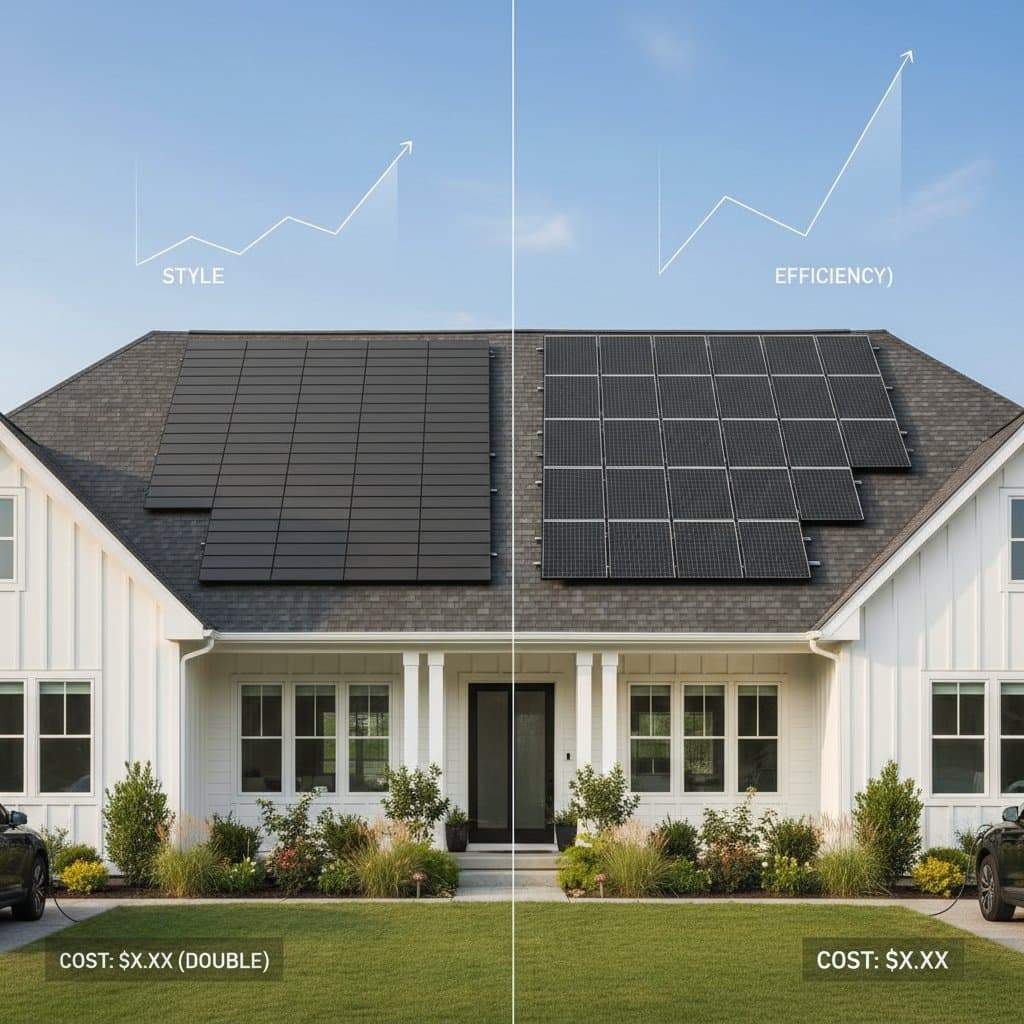
- Upfront Installation Cost: $30,000 to $45,000 for equivalent energy production, due to custom integration.
- Cost per Watt: $4.50 to $6.00, driven by advanced materials and labor-intensive application.
- Expected Lifespan: 20 to 25 years, with warranties covering both energy output and weather resistance.
- Efficiency Range: 14% to 18%, sufficient for steady power generation but requiring more surface area than panels.
Solar shingles function as both roofing material and photovoltaic cells, ideal for new builds or complete roof overhauls. Their higher price stems from seamless integration, which eliminates visible hardware and enhances curb appeal. While payback periods extend to 10-15 years, the dual-purpose design often justifies the investment for style-focused properties.
Installation Considerations: DIY Limitations and Professional Expertise
Solar installations demand specialized skills, including electrical wiring, structural reinforcements, and permit navigation. Attempting a DIY approach risks voiding warranties, compromising safety, and incurring fines for code violations. Professional involvement ensures optimal system performance and longevity.
Key Scenarios Requiring Professional Assistance
- Initial system design, which includes site surveys to evaluate roof orientation, shading, and load-bearing capacity.
- Integration with home energy systems, such as battery backups or grid-tied inverters for net metering.
- Troubleshooting issues like inverter failures or debris accumulation that reduce output.
Select installers certified by organizations like the North American Board of Certified Energy Practitioners. Request detailed proposals outlining equipment specifications, timelines, and post-installation support. Multiple quotes enable fair comparisons, often revealing opportunities for bundled services like roof inspections.
Maintenance Strategies for Optimal Performance
Regular upkeep preserves efficiency and extends system life. Focus on preventive measures to address common challenges like environmental wear and output fluctuations.
- Perform gentle cleaning with water and a soft brush annually, avoiding harsh chemicals that could damage surfaces.
- Monitor for obstructions, such as overgrown vegetation or fallen leaves, which can cast shadows and lower production by up to 20%.
- Review performance data through manufacturer apps or online portals to detect anomalies early.
- Arrange biennial professional audits to inspect connections, seals, and overall integrity.
These routines, combined with manufacturer guidelines, help maintain 95% efficiency in the first decade. Over time, solar adoption yields substantial savings; panels often recoup costs in 7-10 years, while shingles follow suit in 12-15 years, factoring in rising utility rates and potential rebates.
Environmental and Financial Benefits of Solar Adoption
Beyond costs, solar systems reduce carbon footprints by offsetting fossil fuel reliance. A standard installation can prevent thousands of pounds of CO2 emissions annually, aligning with broader sustainability goals. Financially, increased home values—up to 4% according to industry studies—add resale advantages.
Explore local utility programs for additional rebates or performance-based incentives. Pairing solar with energy-efficient appliances amplifies returns, creating a resilient, cost-effective home energy ecosystem.
Steps to Advance Your Solar Project
Evaluate your roof's suitability and energy usage patterns using online calculators from reputable sources. Contact three to five certified professionals for personalized assessments, emphasizing transparent pricing and proven track records. With this foundation, you position your home for reliable, eco-friendly power generation that enhances both comfort and value.