Understanding Smart Thermostats and Their Benefits
Smart thermostats represent a significant advancement in home energy management. These devices learn from user habits and adjust temperatures automatically to optimize comfort while minimizing energy use. By integrating with central HVAC systems, they prevent unnecessary heating or cooling when no one is home, leading to substantial cost reductions.
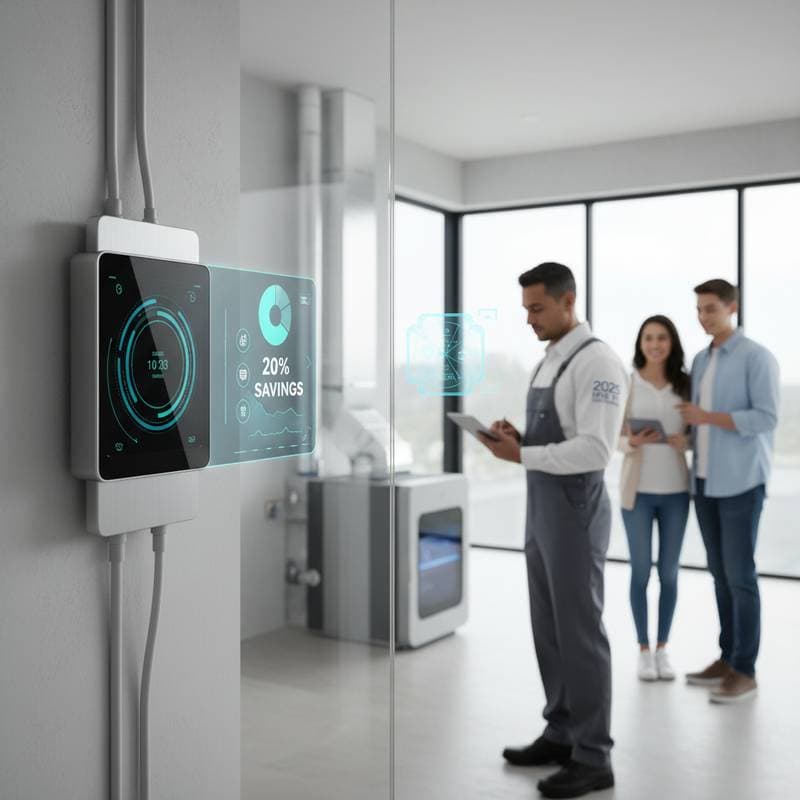
Studies indicate that installing a smart thermostat can lower annual heating and cooling expenses by 10 to 20 percent. This savings varies based on factors such as home size, climate, and existing insulation. Beyond finances, these thermostats enhance daily life through features like remote control via smartphone apps and compatibility with voice assistants.
For homeowners seeking long-term efficiency, smart thermostats align with broader sustainability goals. They provide detailed energy usage reports, helping users identify patterns and make informed adjustments. Consider your current setup before purchasing; compatibility with your HVAC system ensures seamless operation.
Key Features to Evaluate
When selecting a smart thermostat, focus on features that match your lifestyle. Adaptive learning algorithms analyze routines to predict ideal temperatures, reducing manual adjustments. Geofencing uses location data to switch modes as you arrive or leave home, ensuring energy conservation without sacrificing comfort.
Integration with smart home ecosystems adds versatility. Many models connect to lighting, security, and appliances for whole-home automation. Energy tracking tools display consumption data in real time, allowing precise scheduling during peak solar hours if you have renewable systems.
Budget plays a crucial role. Entry-level options start around $100 and offer basic scheduling, while premium models exceed $250 with advanced sensors for humidity and air quality. Read specifications carefully to confirm support for multi-zone systems or older wiring configurations.
Common Questions
Can a Smart Thermostat Function Without Wi-Fi?
A smart thermostat operates on basic levels without Wi-Fi, maintaining scheduled temperature settings. However, remote access, software updates, and advanced features like geofencing become unavailable. For full functionality, ensure a reliable internet connection; most manufacturers recommend at least 2.4 GHz Wi-Fi networks.
Do Smart Thermostats Work with Baseboard Heaters?
Compatibility depends on the model. While many smart thermostats target central HVAC systems with forced air, select options support electric baseboard or radiant heating. Verify wiring requirements and voltage compatibility; for instance, low-voltage models suit most setups, but high-voltage systems may need adapters.
How Much Can Homeowners Save Annually?
Typical savings range from 10 to 20 percent on heating and cooling bills, equating to $100 to $200 yearly for average households. Actual amounts depend on local utility rates, home efficiency, and usage patterns. Track your baseline costs for three months before installation to measure precise improvements.
Are Smart Thermostats Compatible with Solar Energy Systems?
Most modern smart thermostats integrate well with solar setups. They allow scheduling to align with peak production times, shifting high-energy tasks to sunny periods. Look for models with API access for advanced energy management software that monitors solar output and grid usage.
Compatibility and Preparation Steps
Before purchase, assess your home's HVAC system. Identify whether it uses a furnace, heat pump, or boiler, and check the control wiring at the existing thermostat location. Common setups include 24-volt systems, but older homes may require a C-wire for power; adapters are available if needed.
Test your Wi-Fi signal strength in the installation area. Weak coverage can disrupt performance, so consider extenders if necessary. Review manufacturer guidelines for your specific equipment; for example, systems with zoning controls benefit from thermostats supporting multiple sensors.
Professional assessment ensures safety. An HVAC technician can inspect for issues like outdated wiring or incompatible components, preventing costly errors. This step proves especially valuable in rentals or complex multi-story homes.
Installation Process
DIY installation suits those comfortable with basic electrical work. Begin by turning off power at the breaker, then remove the old thermostat to expose wires. Label each wire by color and function, following the new device's manual to reconnect them securely.
Mount the baseplate, snap on the display, and restore power. Download the app to configure settings, including your time zone and preferences. The initial setup typically takes 30 to 60 minutes; calibration occurs over the first week as the device learns your patterns.
Opt for professional installation if unsure. Certified technicians handle permits, ensure code compliance, and integrate with existing smart home devices. Costs range from $100 to $300, often offset by quick payback through energy savings.
Maximizing Efficiency and Savings
To achieve optimal results, establish consistent routines. Set the thermostat to learn from your schedule, avoiding frequent overrides that confuse algorithms. Combine with other efficiency measures, such as sealing drafts or upgrading insulation, for compounded benefits.
Regular maintenance keeps performance high. Clean sensors monthly and update firmware promptly for security and feature enhancements. Monitor monthly energy reports to refine settings, targeting lower usage during off-peak hours.
Steps to Upgrade Your Home Comfort
Research top models by comparing features against your needs. Prioritize those with strong user ratings for reliability and ease of use. Gather quotes from local HVAC professionals for installation, and calculate potential ROI based on your current bills.
Implement the change thoughtfully to enjoy sustained savings and comfort. A well-chosen smart thermostat transforms energy management into a seamless part of daily life, delivering both immediate and lasting value to your home.