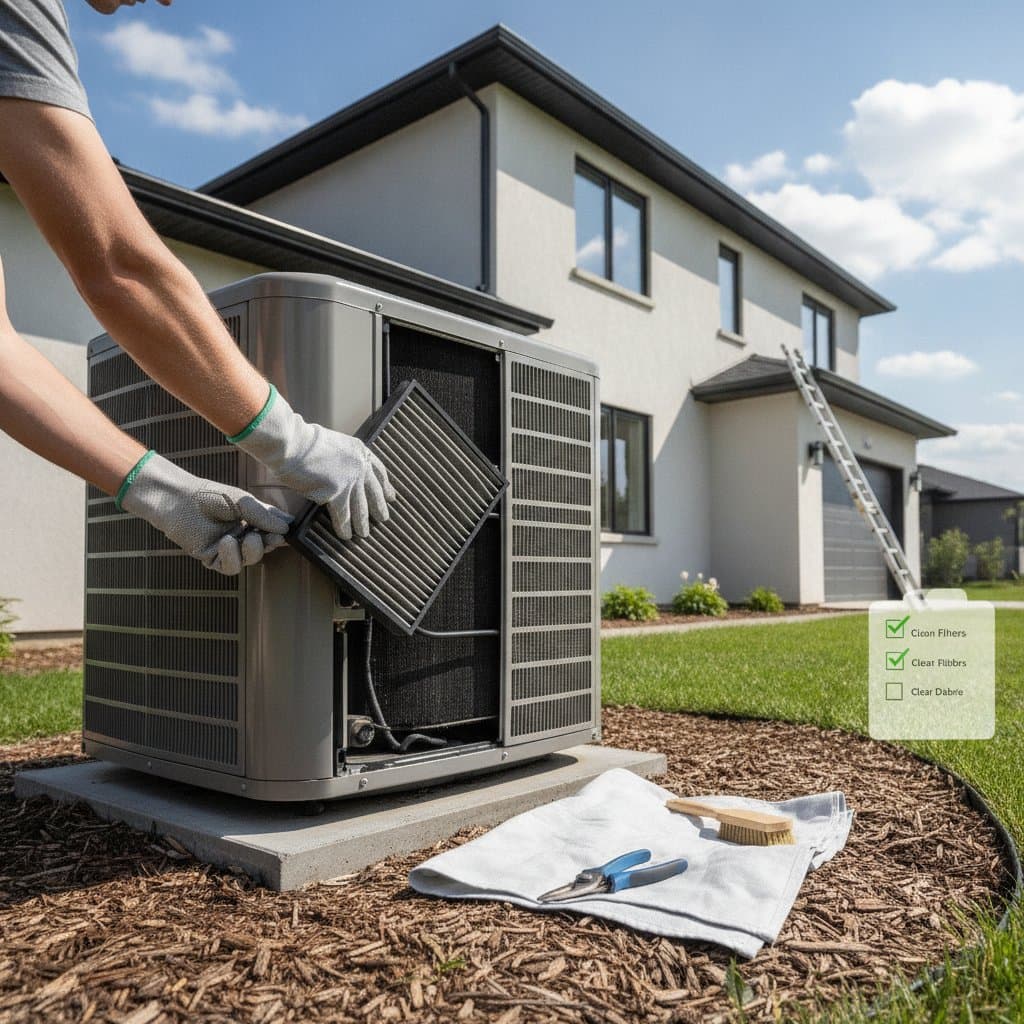
Spring AC Tune-Up: Skipping It Risks $3,000 in Repairs
As temperatures climb, the air conditioning system emerges as a vital component of home comfort. Numerous homeowners overlook the annual spring tune-up, viewing it as dispensable. This oversight frequently results in substantial breakdowns, elevated energy expenses, and diminished equipment longevity. A disregarded unit can accumulate repair costs exceeding $3,000, issues that a straightforward maintenance session could avert.
The spring AC tune-up maintains system efficiency, dependability, and preparedness for demanding operation. It serves as the optimal strategy to sidestep summer disruptions, enhance indoor comfort, and preserve financial investments in home infrastructure.
Essential Reasons for a Spring AC Tune-Up
Throughout the year, air conditioners accumulate dust, pollen, and various debris. Coils become obstructed, refrigerant concentrations diminish, and electrical elements degrade. Absent thorough examination, these minor concerns escalate into significant malfunctions precisely when cooling demands peak.
During a spring tune-up, professionals scrutinize the entire system prior to the onset of intense cooling periods. They meticulously clean coils to restore optimal heat exchange, assess and adjust refrigerant pressures for balanced performance, apply lubrication to moving components to minimize wear, and validate overall operational safety. Such interventions ensure seamless function and alleviate stress on critical parts.
A meticulously maintained system operates with reduced noise levels, delivers consistent cooling, and consumes less electricity. Homeowners benefit from decreased monthly utility statements and fewer urgent interventions amid scorching weather.
Components of a Professional Tune-Up
Experienced HVAC specialists adhere to a comprehensive protocol for spring tune-ups. The procedure generally encompasses the following steps:
- Comprehensive System Inspection: Evaluation of the condenser unit, evaporator coils, and associated ductwork for signs of damage, corrosion, or refrigerant leaks.
- Refrigerant Level Assessment: Precise measurement of pressure and replenishment as required to sustain efficient cooling cycles.
- Coil Maintenance: Thorough removal of accumulated dirt, debris, and biological growth from both indoor evaporator and outdoor condenser coils to optimize thermal efficiency.
- Air Filter Management: Replacement or thorough cleaning of filters to guarantee unobstructed airflow and superior indoor air quality.
- Thermostat Verification: Calibration to ensure precise temperature regulation and automated control accuracy.
- Electrical System Review: Securing of wiring connections, inspection of capacitors for integrity, and verification of voltage stability to prevent electrical failures.
- Lubrication Procedures: Application of appropriate lubricants to motors, fans, and bearings to reduce operational friction and extend mechanical life.
- Drainage System Clearance: Cleaning of condensate lines to eliminate blockages that might lead to water accumulation, structural damage, or mold proliferation.
- Operational Performance Evaluation: Activation and monitoring of the full system to confirm effective cooling capacity, airflow distribution, and absence of irregularities.
This methodical process typically spans one to two hours, depending on system complexity. It significantly prolongs the operational lifespan of the air conditioner and mitigates the likelihood of unexpected failures during extreme heat events.
Indicators Requiring Professional Intervention
Beyond the routine annual schedule, specific symptoms warrant immediate expert evaluation:
- Emission of warm air from supply vents instead of cooled output.
- Diminished airflow volume from registers, indicating potential restrictions.
- Emergence of atypical sounds, such as rattling, hissing, or grinding, or noticeable vibrations during operation.
- Irregular cycling patterns, where the unit activates and deactivates excessively.
- Accumulation of water or moisture adjacent to the indoor evaporator unit.
- Unexpected surges in energy consumption without corresponding increases in usage.
These manifestations often point to underlying problems like refrigerant escapes, coil obstructions, or electrical anomalies. Prompt diagnosis by a certified technician can resolve nascent issues before they evolve into extensive, expensive overhauls.
Variables Influencing AC Service Expenses
Multiple elements determine the financial outlay for tune-ups and subsequent repairs:
- Unit Dimensions and Configuration: Expansive or multi-zone setups demand extended servicing durations and specialized tools.
- Installation Accessibility: Systems positioned in confined areas, attics, or elevated rooftops necessitate additional labor and safety measures.
- Regional Pricing Structures: Service fees differ based on geographic location, local economic conditions, and the expertise level of available technicians.
- Component and Supply Costs: Fluctuations in prices for refrigerants, filters, and electrical parts impact overall charges.
- Service Record: Equipment neglected for extended periods often requires intensive decontamination or component substitutions, inflating expenses.
Opting for an appointment in early spring frequently yields cost advantages, as service providers experience lower demand prior to the surge in cooling requirements.
Selecting a Dependable HVAC Specialist
Identifying a trustworthy professional proves equally crucial to timely scheduling. Prioritize providers who demonstrate:
- Proper Licensing and Insurance Coverage: Request documentation to confirm compliance with industry standards and liability protection.
- Proficiency in Specific Equipment Brands: Seek technicians familiar with your model's unique specifications and common troubleshooting protocols.
- Clear and Itemized Quoting Practices: Insist on detailed written proposals outlining services, timelines, and potential additional fees.
- Subscription Maintenance Programs: Inquire about yearly contracts that bundle tune-ups with discounted emergency responses.
- Positive Community Feedback: Review online testimonials and ratings to gauge reliability and customer satisfaction.
Prior to engagement, clarify the scope of the tune-up services and inquire about benefits like expedited repair access for enrolled clients. These features provide substantial reassurance during high-demand periods like midsummer heat waves.
Homeowner Strategies for Spring Preparation
Homeowners can support professional efforts with these preparatory measures:
- Remove leaves, branches, and other obstructions encircling the outdoor condenser to facilitate unrestricted airflow.
- Install fresh air filters or launder reusable ones immediately before initial system activation.
- Validate thermostat functionality by comparing its readings against independent thermometers.
- Inspect circuit breakers and electrical connections for signs of wear or instability.
- Book the professional tune-up well in advance of anticipated warm spells to secure preferred timing.
These proactive steps enable technicians to focus on diagnostics and repairs without preliminary hurdles, ensuring comprehensive care.
Schedule Maintenance to Secure Summer Comfort
If the current year lacks a service visit for your air conditioner, initiate arrangements without delay. Postponing until heat intensifies often results in extended wait times or, more severely, confronts with prohibitive repair invoices that routine care could eliminate.
Investing in a tune-up fosters a reliable, cost-effective cooling season. Act promptly to align your system for enduring performance and uninterrupted home enjoyment.