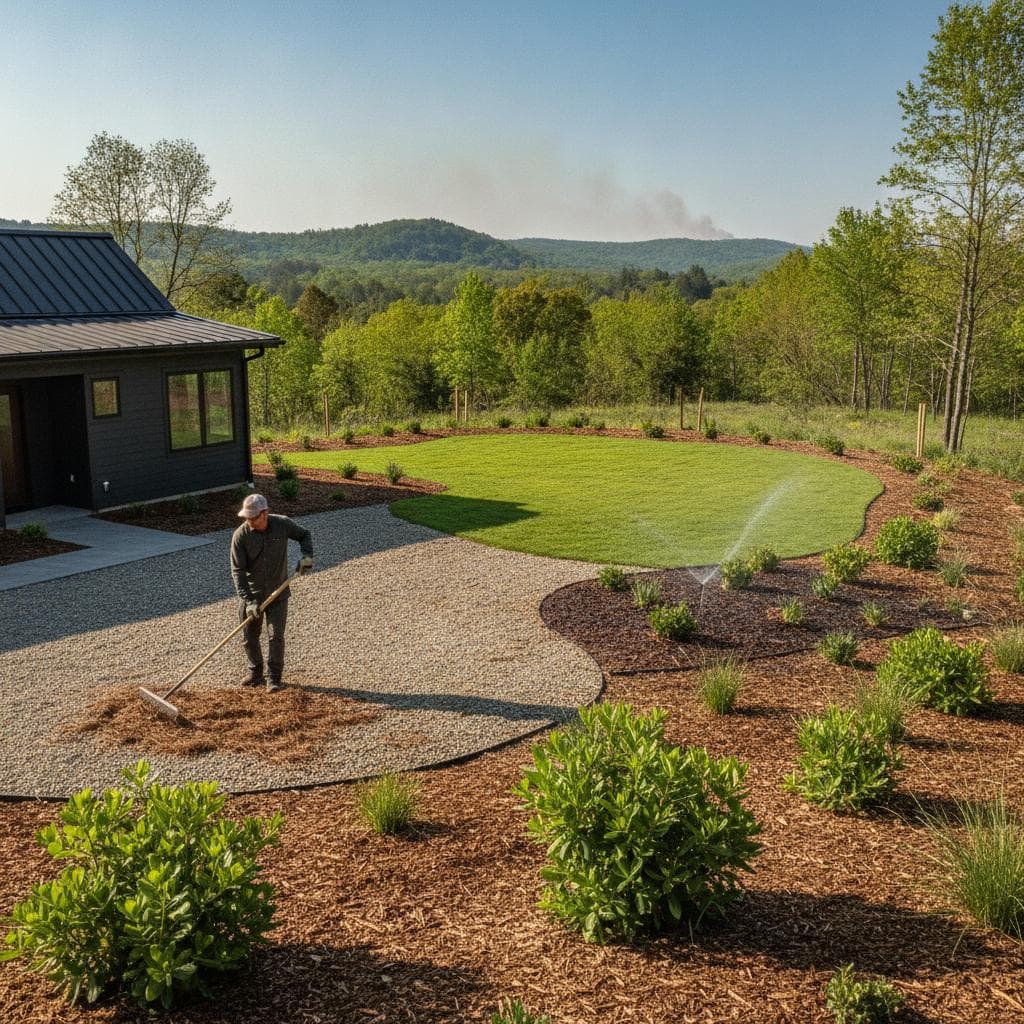
Homeowners in wildfire-prone areas face a critical choice when selecting venting and siding systems. The difference between these choices can determine whether a structure survives a fire or suffers complete destruction. The federal 2026 Rule addresses this challenge by mandating ember-resistant features in designated high-risk zones. This regulation introduces one of the most precise updates to residential building codes in recent history. Homeowners benefit from gaining a clear understanding of its requirements to achieve compliance and bolster protection.
Key Elements of the 2026 Rule
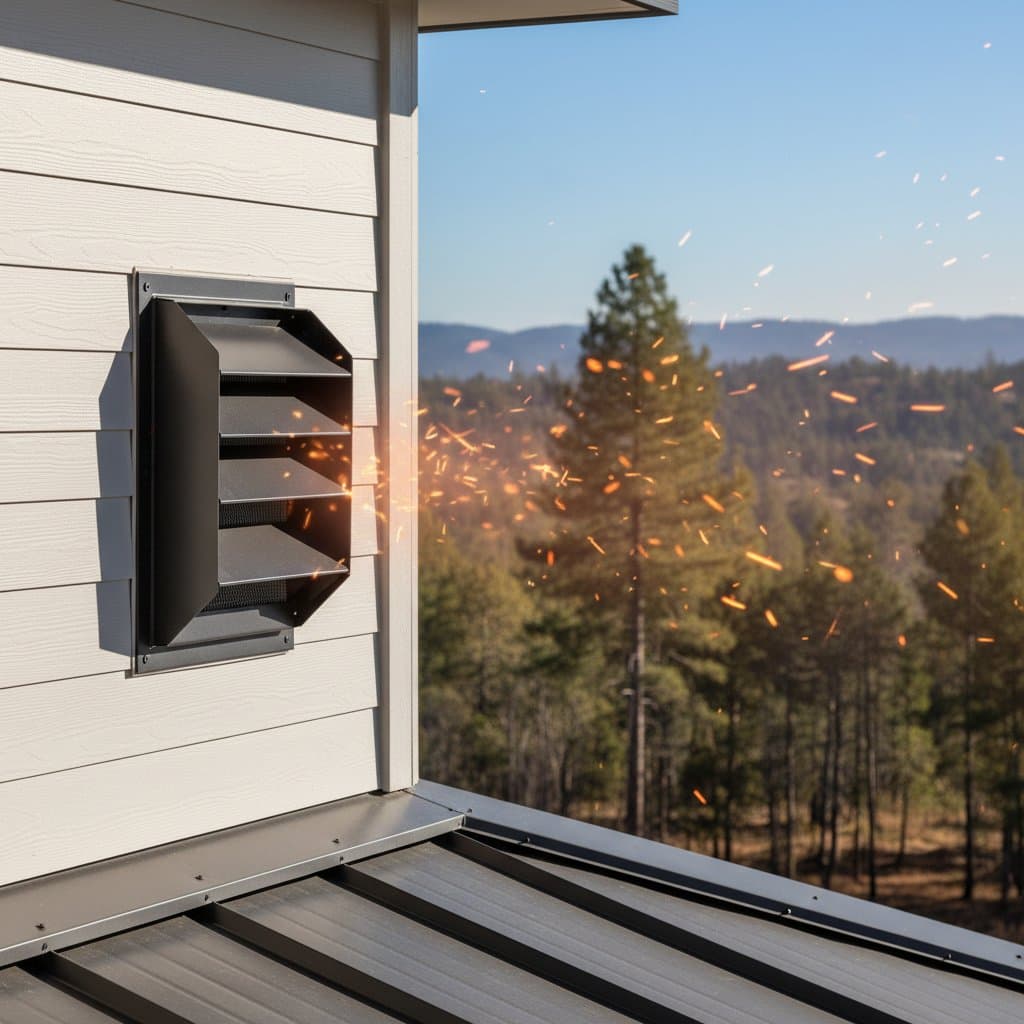
Ember intrusion stands as the primary cause of home ignitions during wildfires. These small, airborne firebrands can drift several miles ahead of advancing flames. They enter through attic vents or settle on flammable surfaces, igniting insulation, debris, or building materials inside.
The 2026 Rule requires homes in Wildland Urban Interface zones to incorporate ember-resistant vents, noncombustible siding, and Class A roofing systems. Builders reference established standards, including ASTM E2886 for evaluating vent performance against embers and ASTM E108 for assessing roof fire resistance. Additional guidelines cover soffit configurations, eave designs, and protective under-deck materials.
This approach extends beyond delaying ignition. It establishes a comprehensive building envelope that prevents ember entry at vulnerable points throughout the structure.
Types of Ember-Resistant Vent Systems
Selecting the appropriate vent system depends on local climate, home design, and fire risk level. Each type offers distinct advantages in blocking embers while preserving necessary attic ventilation. Builders and homeowners should evaluate these options based on specific site conditions.
Mesh Screen Vents
- Materials and Design: Constructed from stainless steel or durable aluminum mesh with openings limited to 1/8 inch or smaller.
- Effectiveness: These vents filter out the majority of embers without significantly impeding airflow to the attic space.
- Ideal Applications: Best suited for arid or moderately humid environments where moisture buildup poses minimal concern.
- Advantages: Cost-effective and straightforward to install as a retrofit on existing homes.
- Limitations: Demand routine cleaning to avoid debris accumulation that could reduce ventilation efficiency.
Baffled or Intumescent Vents
- Materials and Design: Feature internal baffles that direct airflow while obstructing straight-line ember paths; some include intumescent strips that swell and seal upon heat exposure.
- Effectiveness: Provide robust defense against intense ember assaults, validated through ASTM E2912 testing protocols.
- Ideal Applications: Recommended for areas prone to severe fire events with heavy ember production.
- Advantages: Offer enhanced durability and require less frequent upkeep compared to basic mesh options.
- Limitations: Involve a higher initial investment due to advanced engineering.
Hybrid Vent Systems
- Materials and Design: Merge mesh barriers with baffle mechanisms or temperature-sensitive components for layered protection.
- Effectiveness: Achieve optimal balance among ember blocking, air circulation, and humidity management.
- Ideal Applications: Versatile for variable climates, including high-elevation sites with fluctuating weather patterns.
- Advantages: Adapt well to unique home layouts and environmental demands.
- Limitations: Necessitate skilled installation and scheduled inspections to ensure long-term functionality.
Practical Integration Strategies
Retrofitting homes with ember-resistant vents requires careful attention to overall ventilation dynamics. These upgrades often involve adjusting soffit layouts and attic exhaust paths to sustain proper air exchange. Failure to balance intake and outflow can result in heat buildup or excess moisture, fostering issues like mold or structural decay.
Contractors evaluate current insulation, duct configurations, and moisture barriers during the planning phase. They select metal flashings and sealants that resist combustion. For residences equipped with powered ventilation fans, teams conduct pressure tests to confirm that new vents support adequate air turnover rates without strain on equipment.
Electricians review attic wiring and controls, as heat-activated vent features may influence temperature controls and motor longevity. This holistic review ensures the entire system operates cohesively.
Achieving Compliance Through Proper Installation
The 2026 Rule aligns with existing Wildland Urban Interface standards adopted in multiple states. Builders adhere to rigorous ember exposure tests and mandate labeled materials from certified suppliers. Third-party validations confirm adherence to ASTM benchmarks.
Installers position vents at prescribed intervals to optimize airflow and ember deflection. They apply fire-rated sealants around perimeters to eliminate gaps. Roof inspections verify that soffit, ridge, and other vents function in unison as a protective network.
Homeowners secure services from certified professionals versed in regional codes and fire mitigation principles. This expertise minimizes errors and accelerates approval processes.
Building Lasting Fire Resilience
The 2026 Rule elevates fire safety from isolated fixes to integrated design principles. It prompts a reevaluation of how homes interact with surrounding fire threats at the envelope level. This forward-thinking framework supports enduring protection for communities.
Homeowners take proactive steps by:
- Arranging a professional audit of vents, soffits, and roofing for potential weaknesses.
- Matching vent systems to attic size and local fire patterns.
- Exploring incentives like grants or tax credits for upgrades.
- Keeping records of installations for insurance reviews and regulatory checks.
Consulting experts in mechanical engineering or building science aids in fine-tuning selections. They analyze airflow patterns and recommend configurations that prioritize both safety and efficiency. Embracing these measures equips homes to withstand wildfires, preserving assets and ensuring occupant security over the long term.