Costs to Consider in Multigenerational Remodels
Planning a multigenerational home involves multiple expense categories. Budget carefully to account for construction, materials, and compliance needs. These investments support long-term functionality and family harmony.
- Construction and labor: Framing additions or reconfiguring rooms requires skilled workers, with costs varying by project scale and location.
- Materials for core structures: Drywall, insulation, and basic plumbing form the foundation, influencing overall durability.
- Permits and zoning: Local regulations may restrict secondary units or require special approvals, adding administrative fees.
- Finishes and materials: Opt for durable, low-maintenance options like vinyl plank flooring over luxury alternatives to control spending.
- Accessibility upgrades: Install lever handles, zero-threshold showers, and grab bars to promote safety without excessive outlay.
For a full remodel, allocate at least $150 per square foot, adjusting based on regional rates and customization level.
Strategies to Reduce Expenses Effectively
Minimize costs through proactive planning and smart choices. Focus on efficiency to preserve quality in your project.
- Collaborate with an architect experienced in family-oriented designs early to refine plans and prevent rework.
- Repurpose underused areas such as basements or attics for living spaces, saving on new builds.
- Schedule work during slower seasons, like winter, when contractors provide competitive bids.
- Research government rebates for energy-efficient features or accessory dwelling units to offset investments.
- Bundle related upgrades, such as kitchen appliances with electrical work, to streamline labor and materials.
Selecting Qualified Experts
Multigenerational projects demand expertise in design, compliance, and execution. Professionals ensure seamless integration of private and shared elements.
Seek contractors with:
- Proven portfolios in universal design principles that accommodate varying mobility needs.
- Knowledge of municipal codes governing in-law suites and multi-unit dwellings.
- Transparent proposals detailing expenses, timelines, and potential contingencies.
- Integrated services combining design consultation with on-site building for cohesive results.
Review client testimonials from comparable renovations. Insist on preliminary blueprints that detail room divisions, natural light, and traffic patterns.
Advantages and Challenges of Multigenerational Layouts
These designs offer practical benefits alongside hurdles that require thoughtful navigation.
Advantages:
- Distributed costs for ongoing expenses like utilities and repairs.
- On-site assistance for daily tasks, from child-rearing to senior support.
- Versatile spaces that adapt to life changes, such as empty nests or growing families.
- Elevated market appeal, attracting buyers seeking ready-made family accommodations.
Challenges:
- Substantial initial outlays for builds and approvals.
- Regulatory barriers in residential zones limiting expansions.
- Demands for intentional zoning to safeguard personal boundaries.
- Accelerated use of common areas, necessitating robust maintenance routines.
Establish family guidelines on usage and chores at the outset to sustain positive dynamics.
When to Handle Tasks Yourself or Hire Help
Evaluate project elements based on complexity and risk. Balance personal involvement with expert input for optimal outcomes.
Suitable for DIY:
- Applying fresh coats of paint or updating trim for a renewed look.
- Mounting storage solutions or custom shelving in existing rooms.
- Enhancing outdoor areas with simple planting or pathway improvements.
Require Professional Expertise:
- Relocating outlets, lights, or pipes to support new configurations.
- Reinforcing walls or foundations for additions.
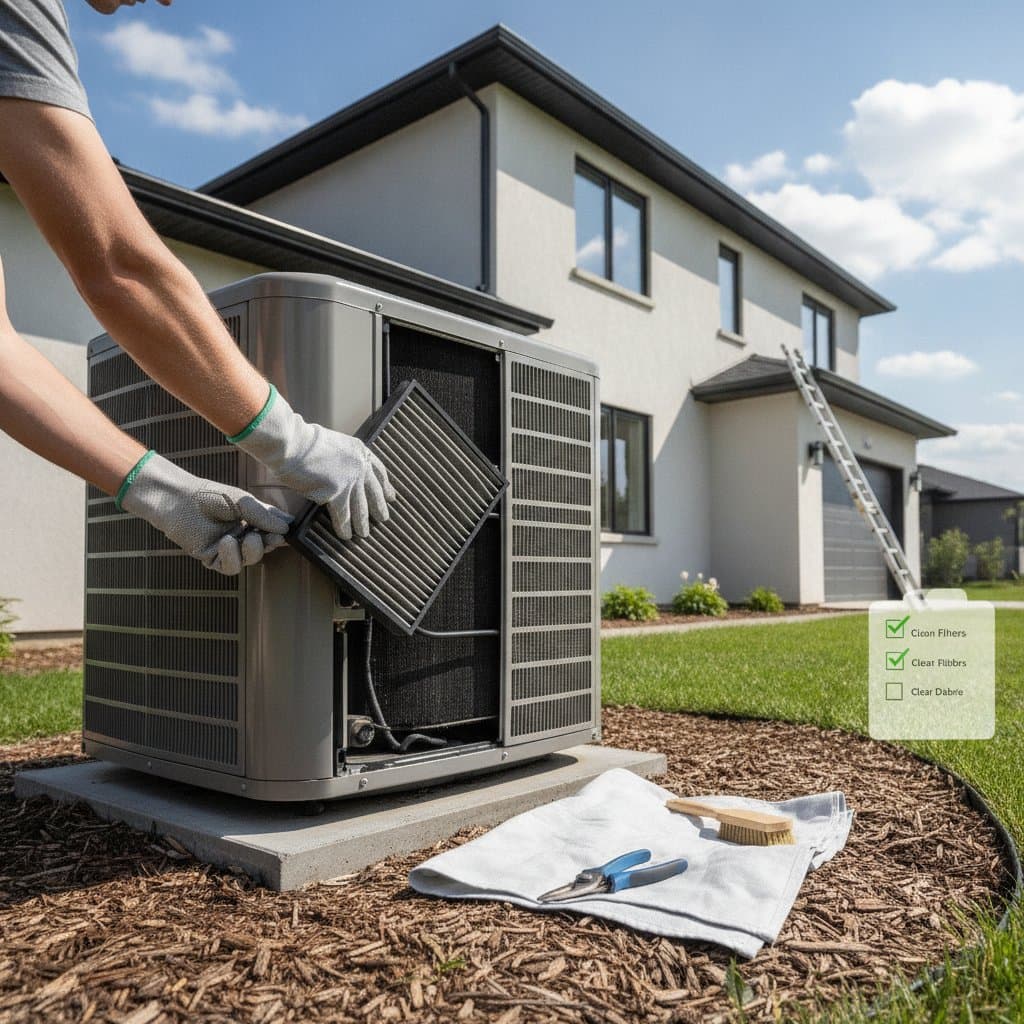
- Adjusting heating, ventilation, and air conditioning to multiple zones.
- Verifying adherence to safety standards for ramps and doorways.
Engage certified specialists to guarantee structural integrity, legal compliance, and enduring performance.
Designing Inclusive Living Areas
Effective multigenerational homes integrate seclusion with opportunities for interaction. Prioritize features that serve diverse preferences while unifying the household.
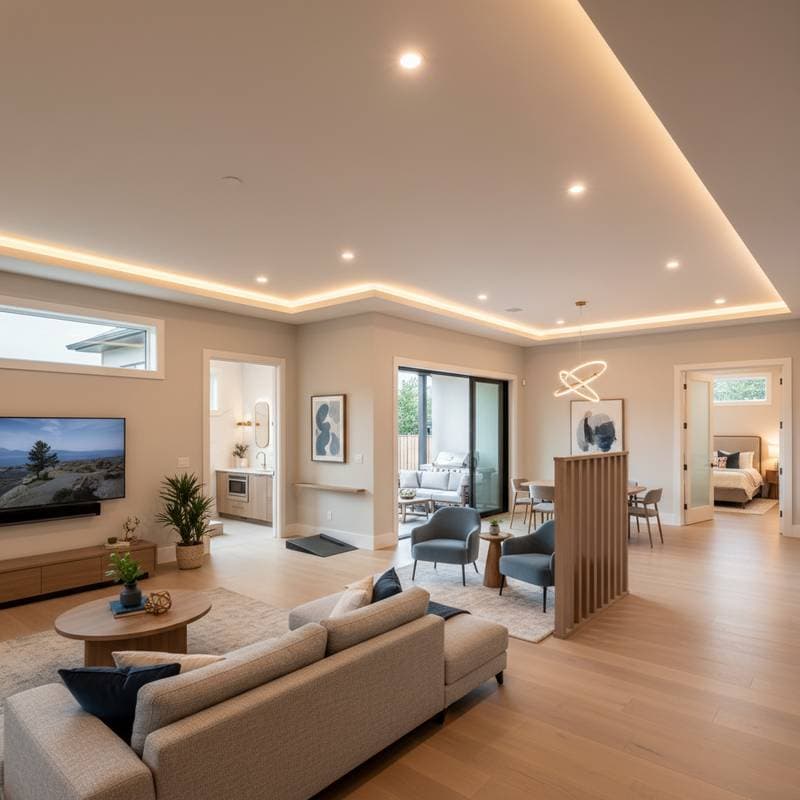
Extend beyond essentials like private baths. Incorporate versatile hubs such as expansive countertops for group cooking, sizable tables for meals, or dedicated lounges for relaxation. Select cohesive elements, including neutral tones and seamless surfacing, to create a sense of continuity across varied zones.
Steps to Launch Your Project
Begin by mapping current family routines and anticipating shifts over the next decade. Pinpoint multifunctional zones and rank needs for seclusion, ease of movement, and ease.
Engage a certified designer specializing in connected living solutions, from paired primary bedrooms to standalone annexes. Gather bids from several firms, and verify alignment with community guidelines.
Thoughtful execution transforms your residence into a supportive haven. Such homes nurture autonomy, strengthen bonds, and provide enduring satisfaction for all residents.