Spring HVAC Tune-Ups: Preventing Costly Summer Breakdowns
Spring arrives as the optimal season to service your HVAC system before summer heat arrives. Routine maintenance addresses wear from winter, optimizes performance, and identifies potential issues early. Homeowners benefit from lower energy bills, consistent temperatures, and fewer emergency repairs.
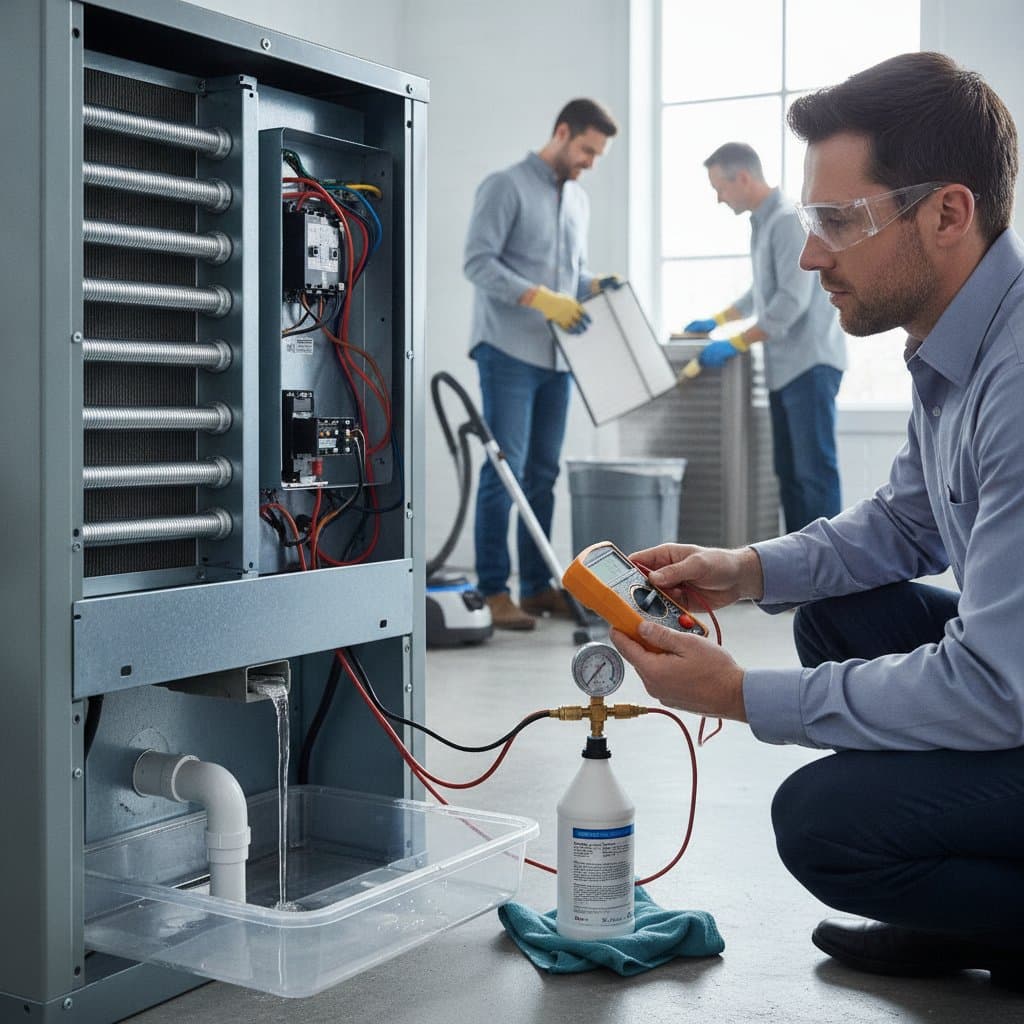
A comprehensive tune-up involves inspecting key components, cleaning critical areas, and testing system functionality. Technicians evaluate airflow, electrical connections, and refrigerant levels to ensure smooth operation. This preparation transforms your HVAC unit from a potential liability into a reliable asset during peak usage months.
Understanding Refrigerant Management
Refrigerant serves as the lifeblood of your cooling system, absorbing and releasing heat to maintain indoor comfort. Low levels often result from leaks, which compromise efficiency and force the unit to work harder. Recharging without repairing the underlying issue leads to repeated problems and higher costs.
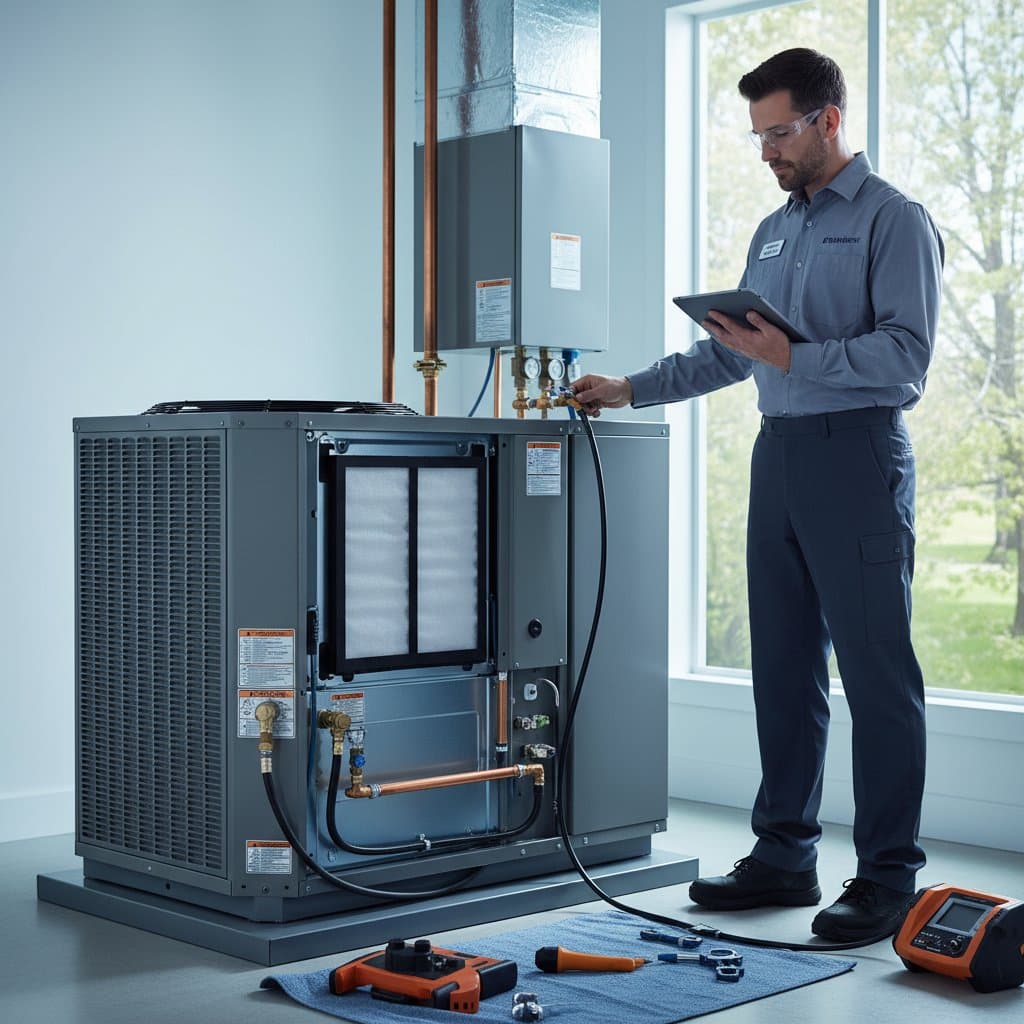
The cost for a professional refrigerant recharge typically ranges from $150 to $350, depending on the refrigerant type and system complexity. Certified technicians alone possess the legal authority to handle these substances due to environmental regulations. Attempting a DIY recharge risks fines, system damage, and health hazards from improper handling.
If your system blows warm air or cycles excessively, suspect low refrigerant. A technician will use specialized tools to detect leaks, perform repairs, and recharge to manufacturer specifications. This process restores cooling capacity and prevents further deterioration.
DIY Maintenance Versus Professional Service
Homeowners can manage several basic tasks to support HVAC health, but complex procedures demand expert intervention. Distinguishing between the two ensures safety, preserves warranties, and maximizes effectiveness. Start with simple actions and escalate to professionals as needed.
Tasks Suitable for DIY
- Replace air filters every one to three months, selecting types rated for your system's needs to improve airflow and indoor air quality.
- Clear debris from outdoor condenser units and trim surrounding vegetation to facilitate unrestricted operation.
- Flush condensate drain lines with a vinegar solution to prevent clogs that cause water damage or system shutdowns.
- Verify and replace thermostat batteries annually to maintain accurate temperature control.
These steps require minimal tools and take less than an hour, yet they yield immediate improvements in performance.
Tasks Requiring Professional Expertise
- Clean evaporator and condenser coils thoroughly to remove buildup that reduces heat transfer efficiency.
- Conduct electrical diagnostics to identify faulty wiring or components that pose fire risks.
- Inspect and adjust refrigerant levels, including leak detection and sealing.
- Balance airflow across ducts to eliminate hot spots and ensure even cooling.
Engaging in these without proper certification can void manufacturer warranties or lead to personal injury. For instance, one homeowner attempted to clean an evaporator coil independently and damaged the delicate fins, which diminished efficiency until a professional corrected the issue. Such experiences underscore the value of professional boundaries.
Prioritizing Safety and Compliance
HVAC maintenance extends beyond performance to encompass critical safety measures. Systems can harbor hidden dangers like electrical faults or gas leaks, which professionals detect during inspections. Addressing these promptly protects occupants and property.
Technicians routinely examine for carbon monoxide leaks in gas furnaces, verify electrical grounding, and ensure adequate ventilation in confined spaces such as attics or crawl spaces. Blocked vents or frayed wires represent immediate threats that require shutdown and repair.
In the event of a gas odor or unusual hissing from refrigerant lines, evacuate the area, turn off the system, and contact emergency services or a licensed technician without delay. Compliance with local building codes during tune-ups guarantees long-term reliability and avoids regulatory penalties.
Recognizing When Replacement Looms
Standard tune-ups occasionally reveal issues beyond minor adjustments, signaling the need for repairs or upgrades. Persistent problems indicate underlying wear that continued maintenance cannot fully resolve. Early detection allows informed decisions on system longevity.
Watch for indicators such as uneven room temperatures, frequent on-off cycling, escalating utility bills, or unusual noises and vibrations. These symptoms strain the unit and increase failure risks during summer peaks.
A qualified technician performs efficiency tests, such as measuring static pressure or BTU output, to assess viability. For systems over ten years old using phased-out refrigerants like R-22, replacement options can reduce energy consumption by 25 to 40 percent. Modern units incorporate advanced features like variable-speed compressors for quieter, more precise operation.
Sustaining Year-Round Performance
Beyond immediate cooling, a tuned HVAC system regulates humidity, removes airborne contaminants, and stabilizes energy usage. Spring investments in maintenance build resilience against seasonal demands, delivering consistent comfort.
Homeowners report that proactive care eliminates the stress of unexpected failures, allowing focus on enjoyment rather than repairs. Dedicate time each spring to these essentials, and your system will provide dependable service through every season.
Your HVAC represents a significant home investment. Regular attention ensures it operates at peak efficiency, safeguarding both comfort and finances for years to come.